
Crime · updated 47m ago · 2 min read
Ada County Sheriff Matt Clifford Identifies “Unknown Wanderer” Dr. Mathew Betkouski in 1982 Boise Case
Betkouski identified as the 'Unknown Wanderer' found dead in Boise church in 1982. Investigators say Betkouski's case may link to Chicago Tylenol murders.
Whether there is evidence Betkouski was in Chicago.
2 of 3 outlets skipped it: FBI says repeated claims over 44 years remain unsubstantiated.
18outlets compared
Same story, two versions
tap a side to read it in full
NBC 5 Chicago
“most importantly, Idaho police said they had no evidence that Betkouski was even in the Chicago area during the time the Tylenol killings took place.”Read the original ↗
The Spokesman-Review
“Though they will not name Betkouski as a suspect in the Tylenol homicides, their goal is to “generate new leads””Read the original ↗
NBC 5 Chicago emphasises no evidence he was in Chicago during the killings, while Idaho-area outlets stress a possible connection and new leads.
Unknown Wanderer Identified
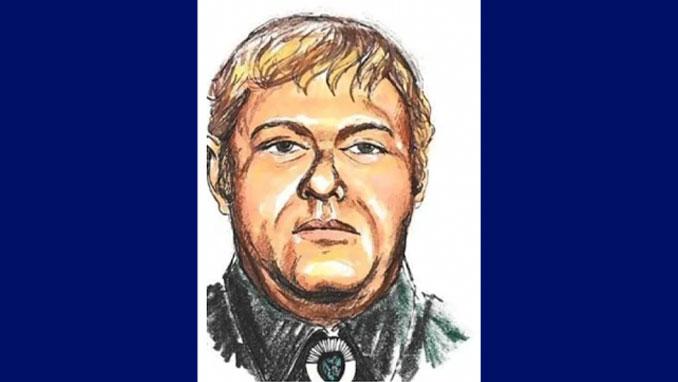
Ada County Sheriff’s Office investigators identified Dr. Mathew Francis Betkouski as the man known for decades as the “Unknown Wanderer,” after they said he was found dead inside Sacred Heart Catholic Church in Boise, Idaho on Dec. 4, 1982.
Ada County Sheriff Matt Clifford said the office announced the identity during a Wednesday news conference and said investigators could not place Betkouski in the Chicago area during the final week of September 1982, when the poisonings happened.

Ada County Sheriff’s Office Cold Case Detective Tim Cooper said the case reopened in 2019 and that he traced a key’s marking to a hardware store in Jacksonville, Florida, leading to property records and a DNA match.
Forensic psychiatrist Dr. Park Dietz said he consulted with the FBI on the Tylenol murders in 1982 and that by December 2021 Tim’s findings convinced him he’d identified a viable suspect for the 1982 Chicago Tylenol murders.
Possible Link, Not a Suspect
Ada County Sheriff’s Office said it has identified a possible connection between Betkouski and the 1982 Tylenol poisonings, while also saying it is not naming him as a suspect in the Tylenol murders. Cooper said the sheriff’s office cannot place Betkouski in the final week of September 1982 and said the cyanide found in Betkouski’s desk was sodium cyanide, not potassium cyanide, which was the type used in the poisonings.
Jeremy Margolis said investigators’ reliance on psychological profiles to prove a crime is no more reliable than “tarot cards,” and he pointed to a lack of physical evidence. The FBI said in a statement that “There have been repeated claims over the past 44 years about alleged links to the Tylenol Murders which have remain unsubstantiated,” and it said it remains the lead on investigating and releasing credible information once evidence yields a true case resolution.
Families Seek Records
The daughter of Tylenol victim Mary Magdalene Reiner called for more investigative records to be made public after Ada County announced the identity of the “Unknown Wanderer.” Rosen wrote, “At this point, this case is no longer about identifying a suspect,” and she said “the larger question is why the public continues to be kept in the dark about so many of the facts surrounding one of the most significant unsolved murder cases in American history.”
“ACSO has more information but will not release it at this time.”
Rosen also wrote, “The continued sealing and withholding of investigative records serves no legitimate public interest,” and she argued that it “undermines transparency, accountability, and public trust.” Ada County Sheriff’s Office said it hopes to generate new leads involving cyanide poisoning or suspicious pill medication-related deaths from the late 70s to early 80s and Betkouski’s movements during 1982, while also saying it has more information but will not release it at this time.