Syriaupdated 1h ago3 min read
MapAli Al-Zaidi Meets Ahmed Al-Sharaa In Damascus To Discuss Baniyas Oil Exports
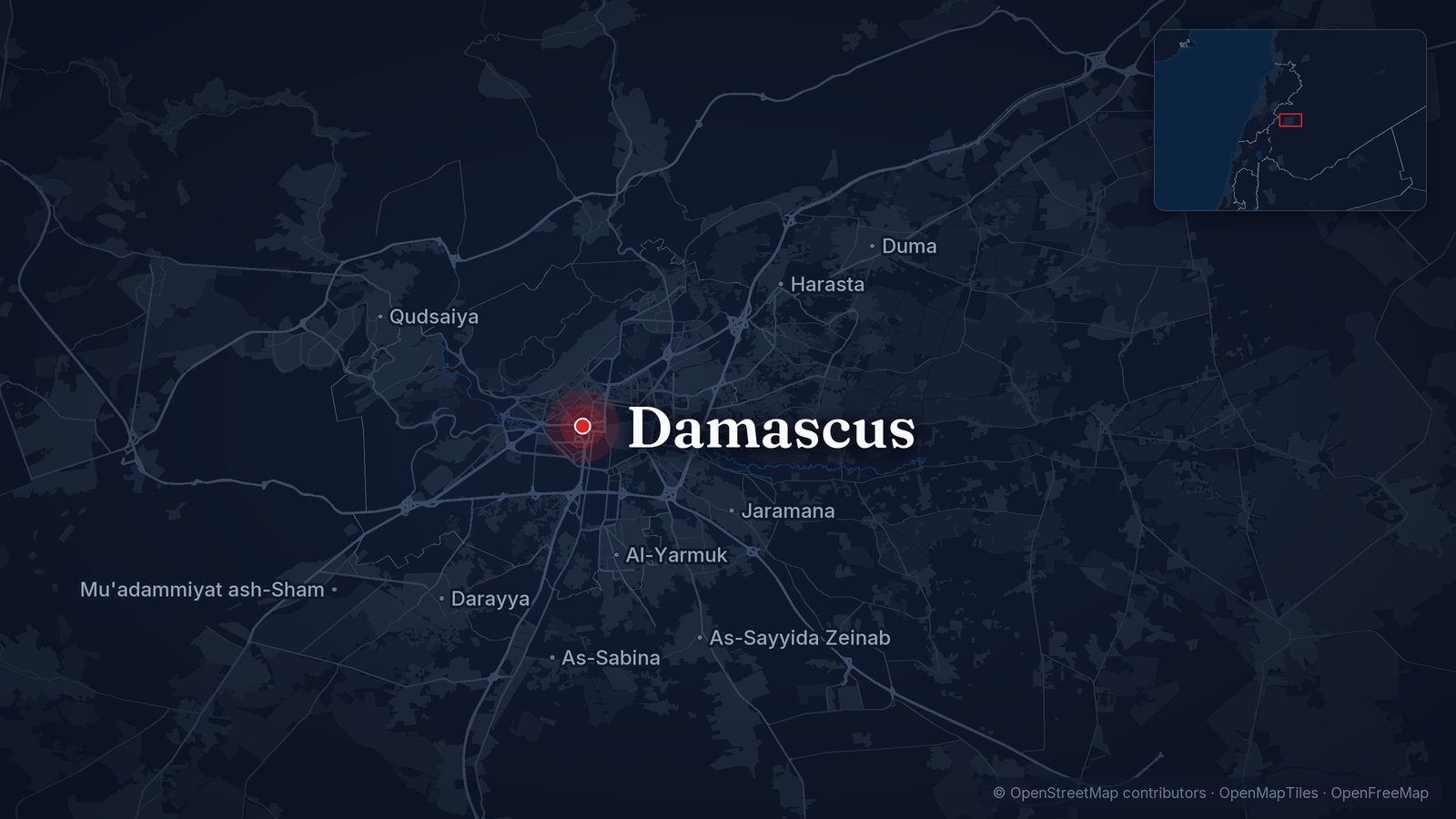
11 West Asian2 Western Alternative1 Israeli3 Other source typesMap: © OpenStreetMap contributors, ODbL · Cropped for layout
This article is an automated aggregation of coverage from news outlets. Our editorials offer in-depth analysis curated by the NewsCord team.
Al-Zaidi arrived in Damascus; President Sharaa welcomed him at Damascus International Airport. They discussed exporting Iraqi oil through the Baniyas pipeline with 2 million bpd capacity.
Oil talks in Damascus
Iraqi Prime Minister Ali al-Zaidi arrived in Damascus to meet Syrian President Ahmed al-Sharaa in the first visit of an Iraqi prime minister to Syria since the fall of Bashar al-Assad. The leaders discussed exporting Iraqi oil through the Baniyas line and efforts to strengthen bilateral ties, with the Iraqi News Agency (INA) saying they also discussed “work to develop partnership and joint cooperation in various fields especially economic and social affairs, enhance security co-operation, unify positions on regional and international issues, and work to achieve peace and stability in the region”. The talks took place during expanded meetings between delegations in Damascus, where the Iraqi prime minister’s media office said they addressed “exporting Iraqi oil through the Baniyas pipeline with an export capacity of up to 2 million barrels per day,” alongside trade and agricultural cooperation.
Syrian President Ahmad al-Sharaa welcomed al-Zaidi’s visit and expressed “great appreciation for the visit of al-Zaidi and his accompanying delegation,” stressing “the depth of bilateral relations and Syria’s keenness to achieve the highest levels of cooperation between the two countries”. The visit followed al-Sharaa and al-Zaidi meeting in September in New York on the sidelines of the UN General Assembly, where they discussed ways to strengthen political and security coordination and expand economic and trade cooperation.
Border, pipelines, and security
Al-Sharaa received al-Zaidi at Damascus International Airport, and the Syrian News Agency (SANA) and the Iraqi Prime Minister's Office said the visit included bilateral talks and an expanded meeting of the two delegations to discuss joint cooperation. Al-Zaidi’s stop in Syria came after he visited Jordan last Monday, where he discussed with King Abdullah II the promotion of economic, commercial, investment cooperation and the development of joint projects. The two sides linked their oil cooperation to pipeline revival plans, with the Iraqi prime minister’s media office saying the discussions addressed exporting Iraqi oil through the Baniyas pipeline and the memorandum of understanding signed in July to revive the al-Hayda/Modern Beit al-Sham pipeline.
Al-Sharaa also said the border between the countries is “completely” secure in a statement carried by Anadolu Ajansı, while the Jerusalem Post said security and counterterrorism efforts were expected to be addressed during the talks. The Jerusalem Post added that Sharaa called for rebuilding oil pipelines connecting Iraq to Syria’s Baniyas Port, and it said Iraq’s oil has been flowing to Syria due to the crisis with Iran.
Trade hub ambitions
Al-Sharaa framed the relationship as economic and historical interdependence, telling Iraqi television channel Dijlah that “in the past year and a half, something good has been built in Syrian-Iraqi relations, especially in economic matters,” and stressing that Syria “does not view the relationship with Iraq from a sectarian or ethnic perspective”. Arab News said Iraq began exporting limited quantities of oil by truck through Syria after maritime traffic through the Strait of Hormuz was disrupted following the outbreak of the Middle East war, and it said the two sides addressed “exporting Iraqi oil through the Banias pipeline with an export capacity of up to two million barrels a day”. The National said the pipeline revival has become urgent since Iran closed the Strait of Hormuz in late February after the start of the war with the US and Israel, cutting off Iraq's main southern export route.
The National also said al-Zaidi visited the Umayyad Mosque in Damascus's Old City and the revered shrine of Sayyida Zainab, and it reported that he donated $10 million from his personal account to the two sites. The National described the meeting as part of a shift from deep mistrust to pragmatic co-operation, and it quoted al-Shara saying, “I believe this is a historic opportunity that has not come to Iraq and Syria, which have suffered for more than 60-70 years from sectarian and internal warfare, coups and conflicts,” while also discussing detainee transfers and possible repatriation.