Iran19 September, 20263 min read
Ali Shamkhani Says Iran Tested Anti-Ship Missile Near American Aircraft Carrier
This article is an automated aggregation of coverage from news outlets. Our editorials offer in-depth analysis curated by the NewsCord team.
Iran tested an anti-ship missile near a U.S. aircraft carrier. Tehran says it will change its strategy toward Washington after the MOU withdrawal.
8 outlets told this the same way.
Outlets did split on Iran Reviews US Negotiation Proposals As Pakistan And Qatar Mediate Strait Of Hormuz Dispute →
Anti-ship missile test
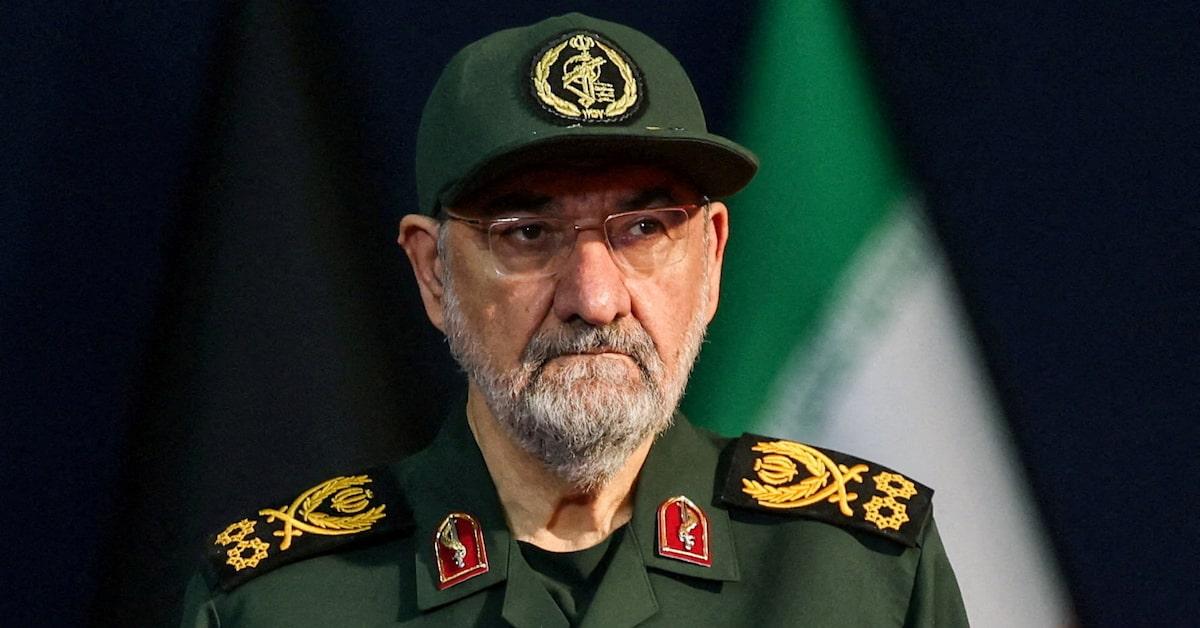
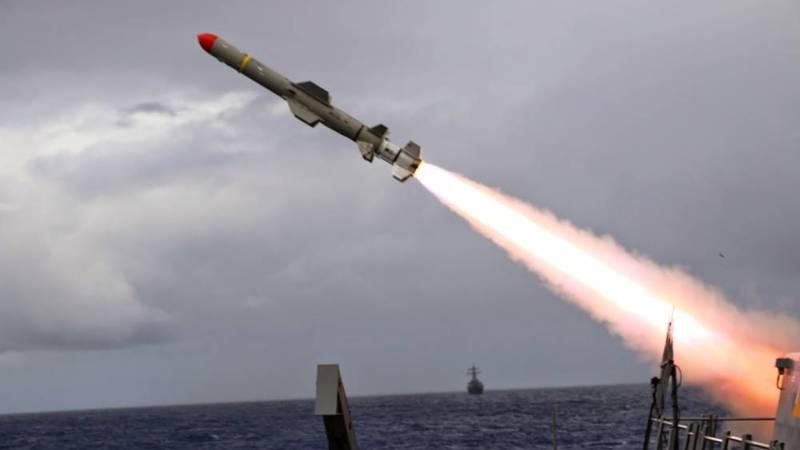
Iran’s Supreme National Security Council Secretary Ali Shamkhani told Al Jazeera that Tehran recently tested an anti-ship missile near an American aircraft carrier, and he said Tehran has become convinced to change its strategy toward Washington after the latter’s withdrawal from the Memorandum of Understanding.
Shamkhani said Tehran is now more prepared than ever to face American air strikes, citing its awareness of the U.S. Army’s weaknesses, and he added that “We are in contact with the mediating Qataris who conveyed our conditions to Washington with the aim of stopping the war, and we are awaiting a response from U.S. President Donald Trump.”

In a separate report, RojNews.News quoted Iranian Supreme National Security Council Secretary General Major General Ali Shamkhani?—the text instead attributes the remarks to Major General Mohsen Rezaei, who said Iran tested an anti-ship missile near an American aircraft carrier and that the U.S. president’s assessments and calculations about Iran were wrong.
Rezaei said Iran has reached a belief to change its strategy toward Washington after the United States withdrew from the JCPOA memorandum, and he said the US military’s weaknesses are known and Iran is more prepared than before to confront its airstrikes.
Nuclear doctrine and conditions
On the nuclear file, Shamkhani told Al Jazeera that Iran is “still committed to the late Leader’s fatwa, and we have not changed our nuclear doctrine, but we do not know what will happen in the future.”
He also said Tehran has not decided to withdraw from the Non-Proliferation Treaty yet, and that the matter depends on Washington’s behavior.
In the same Al Jazeera interview as relayed by Zاد الاردن, Mahsen Rezaei said Tehran is “awaiting a response from U.S. President Donald Trump” after contact with the Qatari mediator, and he stressed that Iran conditions the end of the war on all fronts, the release of its frozen funds, and lifting the naval blockade.
The Iraqi state news agency report attributed to Mohsen Rezaei similarly said “لم نتخذ قراراً بالانسحاب من معاهدة الحد من الانتشار حتى الآن والأمر مرهون بسلوك واشنطن” and that Iran remains committed to the late Supreme Leader’s fatwa and has not changed its nuclear doctrine.
Regional war and threats
Shamkhani told Al Jazeera that Iran wants an end to the war between Saudi Arabia and Yemen and said he believed Yemenis themselves want to reach a settlement with Saudi Arabia. The Iraqi report also quoted Mohsen Rezaei saying “نرغب بانتهاء الحرب بين السعودية واليمن وأعتقد أن اليمنيين أيضاً يرغبون بتسوية مع السعودية,” linking Iran’s position to a desired settlement between the Yemeni side and Saudi Arabia.
In a separate report, عربي21 said Mohsen Rasaei told Iranian media that “We know the weaknesses of the American army and are more prepared than before to confront its airstrikes,” and it added that Iran recently tested an anti-ship missile near an American aircraft carrier. The same عربي21 text said Iran’s terms are to end the war on all fronts, release the frozen funds, and end the naval blockade, and it stated that American and Israeli measures allow Tehran to withdraw from the Nuclear Non-Proliferation Treaty while also saying Iran “has not yet decided to withdraw from the treaty.”