
Iran · updated 1h ago · 3 min read
Mohsen Rezaei Says Iran’s NPT Withdrawal Depends on Washington’s Behavior
Iran's withdrawal from NPT could be triggered by U.S. and Israeli actions, says Rezaei. Iran remains committed to its nuclear doctrine and the Supreme Leader's fatwa.
16 outlets, one story, no spin found.
8 of 9 outlets skipped it: taleghan 2 rebuilt after Israeli strike; links to AMAD nuclear work.
The New York Times was read line by line by the Watchdog: 0.0. See the score →
16outlets compared
NPT exit tied to US
Iran’s top security official Mohsen Rezaei said Iran has not yet decided whether to withdraw from the Treaty on the Non-Proliferation of Nuclear Weapons (NPT), and that any decision depends on Washington’s behavior.
“Iran has not yet decided whether to withdraw from the Treaty on the Non-Proliferation of Nuclear Weapons (NPT)”
In an interview with Qatar’s Al Jazeera, Rezaei said Iran remains committed to a religious decree issued by the late Supreme Leader Ali Khamenei that prohibits developing atomic weapons, but added, "However, we do not know what will happen in the future."
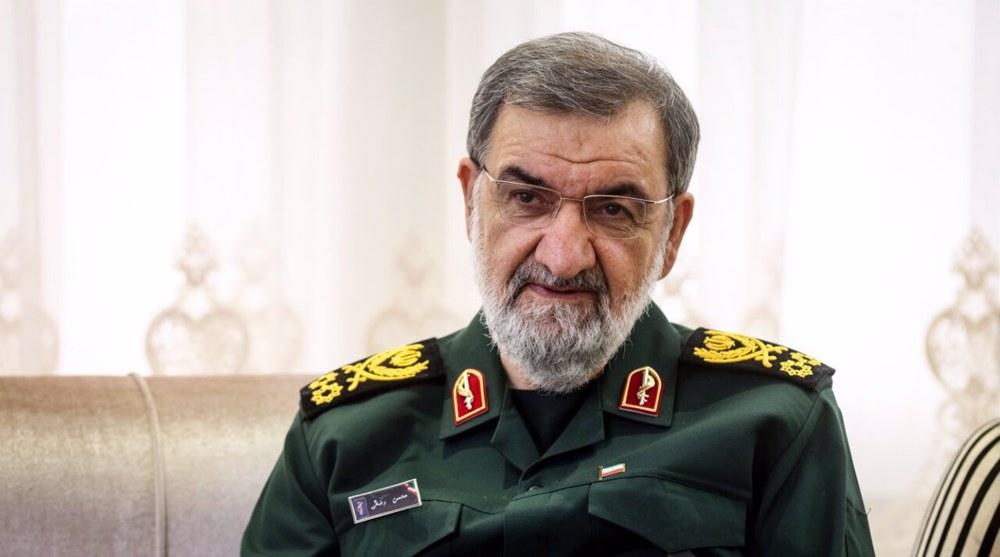
Rezaei said it is in Washington’s interest to accept Iran’s conditions for ending the war, including ending hostilities on all fronts, releasing frozen Iranian assets, and lifting the anti-Iran naval blockade.
He also said consultations with Qatari and Pakistani mediators are continuing, and Iran has informed them of its conditions for negotiations with the United States.
The remarks came after Israel and the United States launched joint attacks on Tehran and other Iranian cities on Feb. 28, and after the United States and Iran signed a memorandum of understanding (MoU) on June 18 that set a 60-day window for talks that ended on Aug. 17.
Parliament pushes withdrawal bill
While Rezaei said Iran has not yet made a decision, Mehr News Agency reported that senior MP Ebrahim Azizi said "Option of Iran's withdrawal from NPT" is on the table.
Azizi told Mehr that legislative proposals titled "Plan for Withdrawal from the NPT"—backed by the signatures of numerous MPs—have been drafted and submitted to the Parliament's National Security and Foreign Policy Commission and the Office of the Deputy for Legislation.
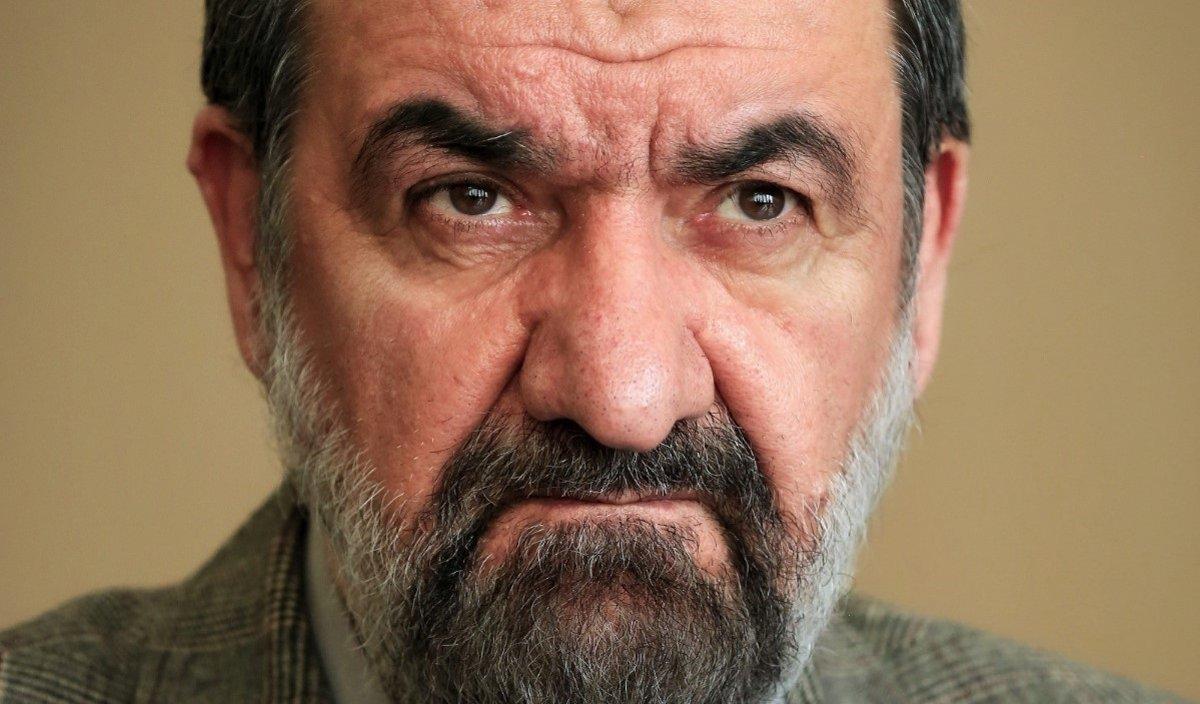
Azizi also criticized the International Atomic Energy Agency (IAEA), saying it has been turned into a "political club" and no longer fulfills its technical mandate.
On Sep. 15, Mehr said a group of Iranian lawmakers issued a statement calling for a review of Iran's membership in the NPT, saying the treaty has failed to protect Iran's nuclear facilities or deliver promised benefits.
The same NPT-withdrawal push was echoed in ISNA reporting that Vice President of the Ninety Commission Hossein Ali Haji-Deligani demanded a three-article bill be placed on the parliament’s agenda, saying remaining in the NPT would bring harm to the country.
Enrichment and negotiation conditions
Beyond the NPT debate, Wakala Muwazīn Nūz reported that Iran’s United Nations mission said there are no legal restrictions on the level of uranium enrichment as long as it is conducted under IAEA supervision.
“"They have demands I cannot agree to."”
The same report said a Reuters report, quoting a senior Iranian official, described a proposal Tehran presented to the United States that includes stopping the war in exchange for reopening the Strait of Hormuz and recognizing Iran’s right to enrich uranium.
It said the plan envisions ending the war in a first phase, with assurances from both the United States and Israel not to launch new attacks, while Iran would reopen the Strait of Hormuz and lift the naval blockade imposed on it.
Wakala Muwazīn Nūz also cited President Donald Trump saying on Friday, "They have demands I cannot agree to."
In parallel, PressTV reported Rezaei saying Iran has not changed its nuclear doctrine and that "We have not yet made a decision in this regard, but this issue depends on US behavior," linking the NPT question to U.S. conduct.