South America · updated 1h ago · 2 min read
Argentine Judge Daniel Rafecas Charges Seven Iranians and One Lebanese Over 1994 AMIA Bombing
Judge Rafecas charged seven Iranians and one Lebanese for the 1994 AMIA bombing. The indictment advances a trial in absentia under Argentina’s Law 27,784.
How imminent the in-absentia trial appears.
4 of 5 outlets skipped it: the ruling orders asset seizures totalling about 435 million euros per accused.
14outlets compared
Same story, two versions
tap a side to read it in full
AAsharq Al-Awsat English
“A trial is now a real possibility, but the charged individuals may appeal the indictment.”Read the original ↗
The Times of Israel and Naharnet stress a possible in-absentia next step, while yalibnan presents oral proceedings as set to occur.
Charges in AMIA case
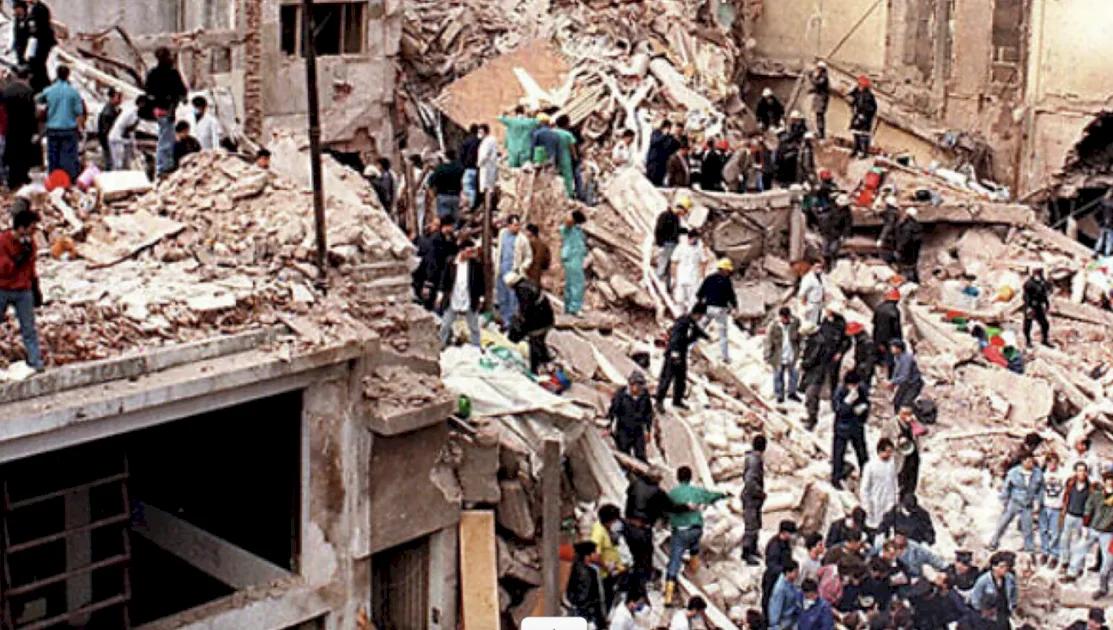
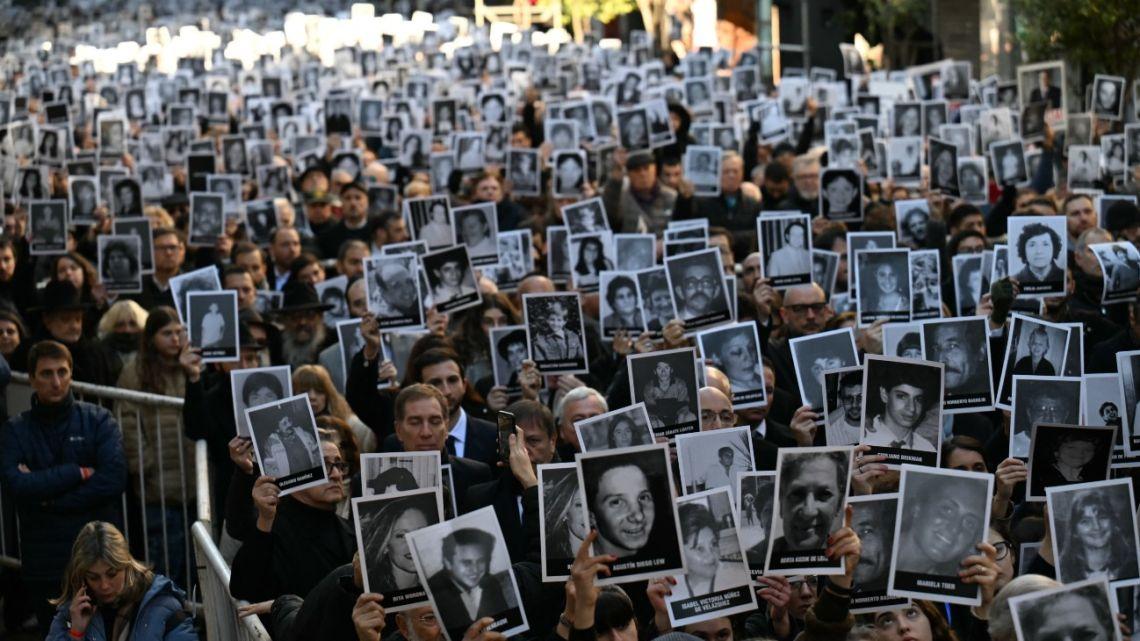
An Argentine judge formally charged seven Iranians and a Lebanese citizen over the 1994 bombing of the AMIA Jewish community center in Buenos Aires, a move that the ruling said marks another step toward a possible trial in absentia. Judge Daniel Rafecas wrote that "The decision to carry out the attack was made in August 1993 by the highest echelons of the Iranian regime and entrusted to Hezbollah," and the charges named seven defendants who held high-ranking positions in the Iranian state at the time of the attack. The ruling tied the attack to July 18, 1994, when the bombing killed 85 people and injured 300 more, while it also noted that no one has ever been arrested over the AMIA bombing.
The judge told AFP that "There's still a whole process to go through," describing other necessary procedural steps before a trial could happen. Argentina’s President Javier Milei celebrated the decision on social media, writing "Morality as State Policy," on X.

Who is named, and how
The indictment described the Lebanese suspect as a Hezbollah member, while it said two other defendants were removed from the case due to lack of evidence. Rafecas wrote in a statement that "The decision to carry out the attack was made in August 1993 by the highest echelons of the Iranian regime and entrusted to Hezbollah," and the seven Iranian defendants held high-ranking government positions when the attack occurred. Rafecas placed on trial eight Iranian and Lebanese citizens accused of participating in the organisation and execution of the 1994 attack, and the ruling slapped liens of US$500 million on each of the accused.
Argentina’s Supreme Court of Cassation authorized the progression of the in-absentia trial against those accused of the AMIA bombing, and the decision was adopted by Chamber II. The Cassation Chamber rejected the defense’s challenge to an aspect of Law 27,784, clearing a path toward an eventual oral trial.
Trial path and stakes
The indictment advanced under a trial-in-absentia framework, and the Buenos Aires Times said the resolution was drafted under the régime for trials in absentia as established by National Law 27,784. Rafecas ordered liens of US$500 million on each of the accused and the resolution brought the case closer to a possible oral trial, while defense lawyers appointed for the accused could still appeal the ruling. El Eco said procedural decisions still had to be finalized and pending appeals resolved before the case could reach the oral stage, even after the Cassation cleared one of the main judicial obstacles.
The ruling also sought the Argentine Supreme Court’s opinion on potentially linking the AMIA case with the 1992 bombing of the Israeli Embassy in Buenos Aires, with the Buenos Aires Times describing a possible connection through Hezbollah’s alleged involvement in both. Argentina’s Justice Minister Juan Bautista Mahiques and President Javier Milei celebrated the indictment’s milestone toward holding fugitives to account, with Mahiques writing "a milestone in the fight against impunity" on X.