Business10 April, 20261 min read
Ascend Elements Files Bankruptcy After DOE Cancels $316 Million Kentucky Battery Grant
This article is an automated aggregation of coverage from news outlets. Our editorials offer in-depth analysis curated by the NewsCord team.
Ascend Elements filed Chapter 11 to restructure finances while advancing Kentucky plant. Hopkinsville hosts a large-scale battery recycling facility project.

Ascend Elements Bankruptcy
Ascend Elements filed for Chapter 11 bankruptcy on April 9, 2026. CEO Linh Austin cited insurmountable financial challenges. The filing came after the Trump administration canceled a $316 million DOE grant.
“Ascend Elements said on Friday it has started Chapter 11 bankruptcy proceedings in the U.S.”
Ascend had been building a 1 million-square-foot facility in Hopkinsville, Kentucky. The facility was intended to supply enough pCAM to equip 250,000 EVs annually.
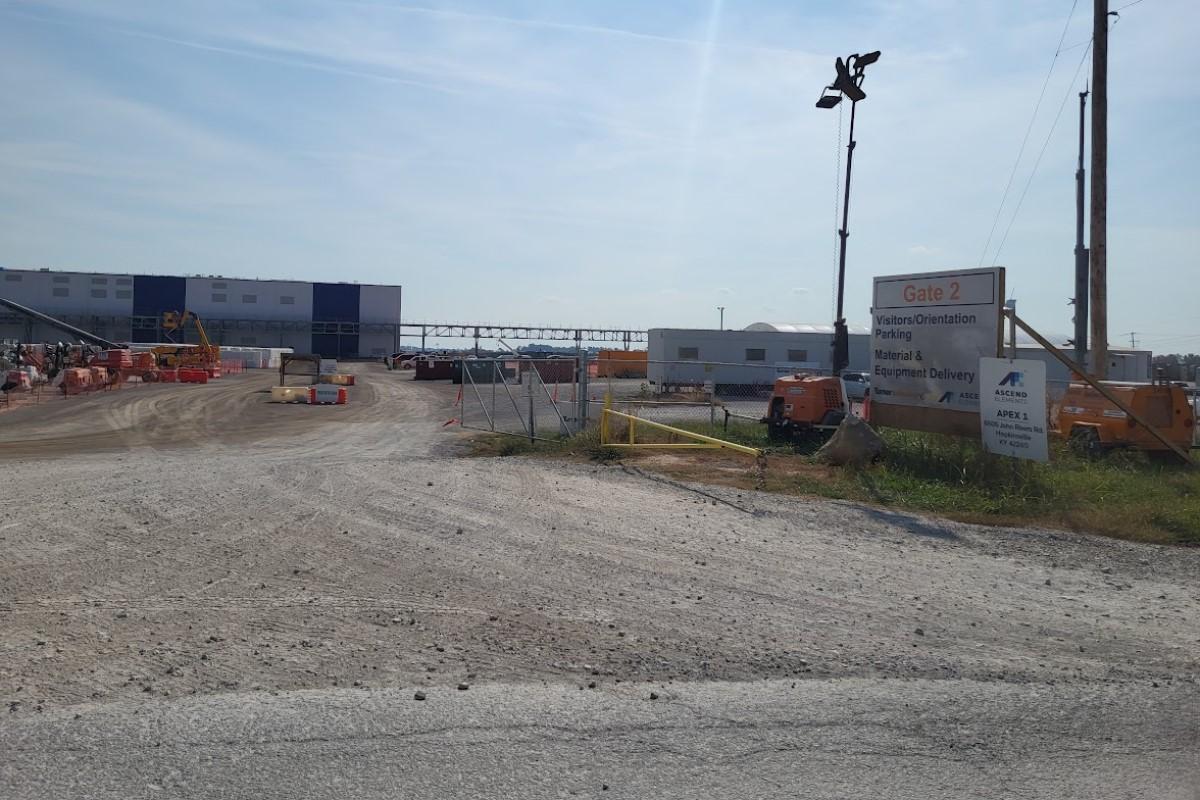
Ascend planned to invest up to $1 billion and create 400 full-time jobs. The filing was described as a court-supervised framework to restructure liabilities.
Kentucky Facility and Market Challenges
Apex 1 was Ascend's largest U.S. facility and a major Kentucky investment.
Construction had been repeatedly delayed amid lawsuits and unpaid work.

The DOE discontinued a $316 million grant in October 2025.
Ascend pivoted from CAM to pCAM and lithium carbonate production.
The filing came as the U.S. EV market softened.
Volkswagen announced it was ending production of the ID.4.
Political and Economic Context
The bankruptcy was the latest sign of instability for clean energy projects. Governor Beshear's office said the filing would not negatively impact progress. The state's only direct cash support was for site infrastructure.
The filing came six months after the Trump administration terminated federal funding. The BlueOval SK joint venture had dissolved after four months.