Iranupdated 1h ago2 min read
Asif Ali Zardari Urges US And Iran To Honor Islamabad Memorandum In Islamabad
This article is an automated aggregation of coverage from news outlets. Our editorials offer in-depth analysis curated by the NewsCord team.
Zardari urged US and Iran to honor the Islamabad Memorandum of Understanding. He called for restraint and safe passage through the Strait of Hormuz.
The Jerusalem Post was read line by line by the Watchdog: 3.9. See the score →
Restraint and Safe Passage
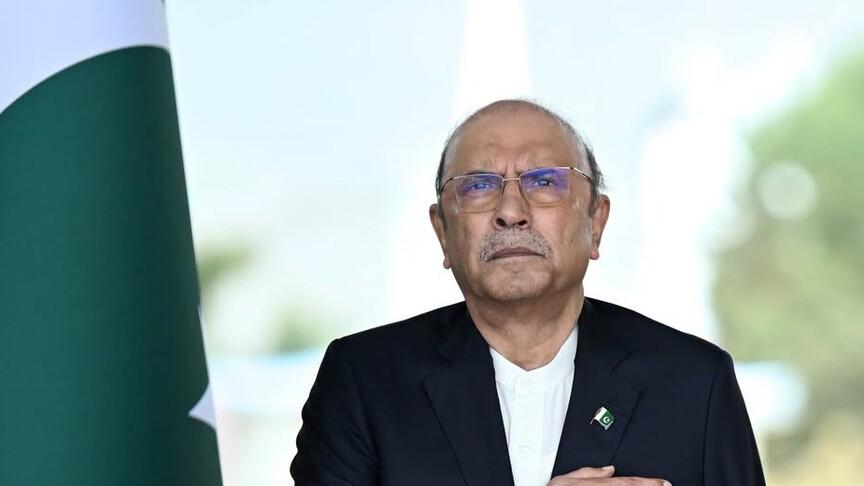
Pakistan’s President Asif Ali Zardari urged the US and Iran to exercise restraint and honor their commitments under the Islamabad Memorandum of Understanding during a meeting in Islamabad with visiting Russian Interior Minister Vladimir Kolokoltsev. Zardari emphasized the importance of safe maritime navigation through the Strait of Hormuz and the Red Sea while warning that escalating Gulf tensions posed serious challenges to regional stability, global energy security, trade and supply chains.
Kolokoltsev said bilateral trade stood at $243.4 million in the 2025 financial year and urged both countries to translate their leaders’ goodwill into tangible results. Zardari’s remarks came as the president’s office statement described concern over attacks on maritime traffic, energy installations and critical infrastructure, and as Kolokoltsev held talks with Pakistani Interior Minister Mohsin Naqvi on organized crime, terrorism, extremism, illicit arms and drug trafficking, and cybercrime.
Egypt Seeks a US-Iran Deal
Egypt’s Minister of Foreign Affairs, International Cooperation and Egyptian Expatriates Badr Abdelatty outlined Egypt’s efforts to de-escalate regional tensions and create conditions for an agreement between the United States and Iran. Abdelatty discussed prospects for Egyptian-Thai relations and ways to strengthen bilateral cooperation across various fields during his visit to Thailand, described as the first by an Egyptian foreign minister in 30 years.
Abdelatty also outlined Egypt’s assessment of the challenges facing the global economy amid mounting pressures, stressing the importance of stronger international cooperation and a greater role for international financial institutions in providing concessional financing. Abdelatty said such financing would support developing countries’ efforts to achieve sustainable development and address current economic challenges, while his interview with Thailand’s CNA television channel framed the US-Iran conflict’s economic repercussions for global supply chains and energy markets.
Oil Prices, Elections, and Risk
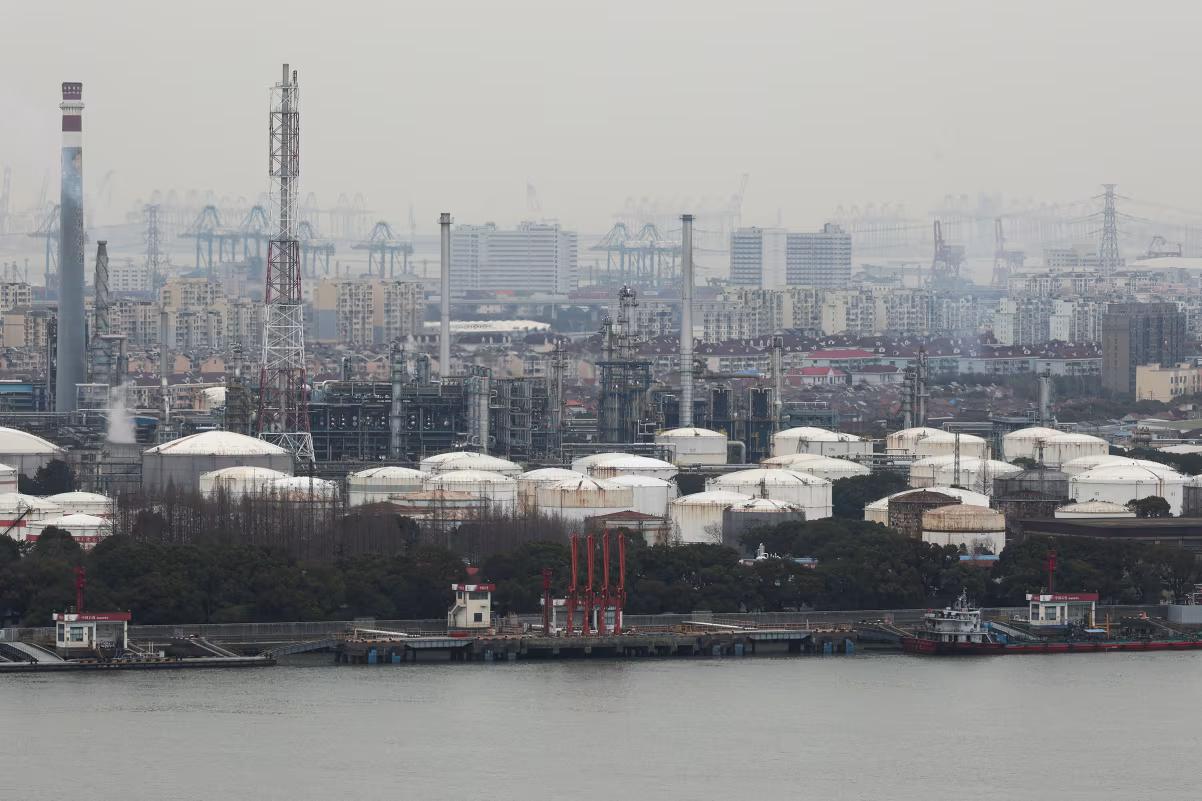
AAA said the national average for a gallon of regular gas hit $4.36 on October 8, the highest price ever recorded for this point on the calendar, and it tied the spike to the Strait of Hormuz standoff with Iran. AAA reported that prices eased slightly from an October 1 reading of $4.41, but the article said the strait had been kept closed to shipping since a ceasefire with the US and Israel broke down.
The Jerusalem Post argued that chances of renewed conflict between Washington and Tehran would jump after America’s midterm elections on November 3, and it linked the timing to Iran’s moves to better defend the Pickaxe Mountain nuclear facility. The Jerusalem Post also said Iran has no significant active nuclear operations currently at Pickaxe Mountain, while the article described the US and Iran as having conditions with a wide gap, as Fadahessin Maleki said, “Currently, negotiations are not on the table at all.”