Iranupdated 2h ago2 min read
Mohammad Eslami Says Iran Matches Developed Countries in Nuclear Science and Technology
This article is an automated aggregation of coverage from news outlets. Our editorials offer in-depth analysis curated by the NewsCord team.
Iran stands on a par with developed countries in nuclear science and technology. Progress stems from local knowledge and domestic expertise in nuclear fields.
6 outlets told this the same way.
Outlets did split on Iran Reviews US Negotiation Proposals As Pakistan And Qatar Mediate Strait Of Hormuz Dispute →
Eslami’s nuclear parity claim
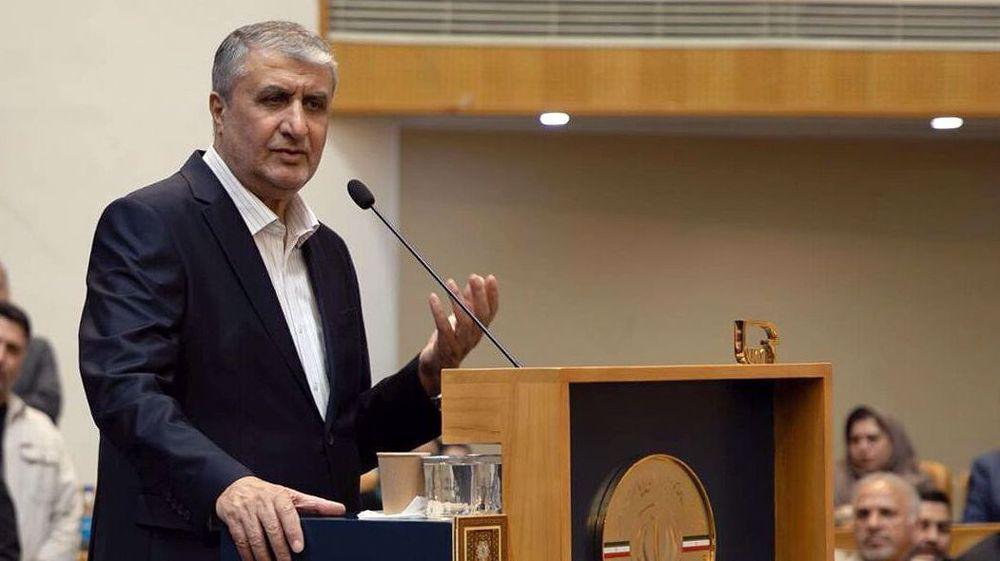
Mohammad Eslami, the head of the Atomic Energy Organization of Iran, said at a ceremony marking National Standard Day in Tehran that Iran’s opposition to the country’s possession of peaceful nuclear technology cannot change the reality of its scientific achievements. Mohammad Eslami asserted, “We are on a par with developed countries in nuclear science and technology, and that is a reality,” and he added, “We have done nothing wrong,” while speaking at the event. Mohammad Eslami argued that nuclear technology has become integrated into major industrial sectors, including refineries, petrochemical plants, and steel production.
Mohammad Eslami said the Atomic Energy Organization of Iran has produced domestic alternatives to specialized industrial equipment despite restrictions on access, repair, and technical support services. Mohammad Eslami said the AEOI has produced equipment in accordance with the latest international standards and supplied it to domestic industries.
Standards and youth
Mohammad Eslami linked Iran’s scientific and technological progress to the country’s intellectual resources, technological expertise, and the resourcefulness of its younger generation at the National Standards Day ceremony. Mohammad Eslami said, “Throughout history, this land has served as a cradle of science and technology, and the capacity of Iranians for thought, creativity, and management is boundless,” while describing the role of management in nurturing talents and capacities. Mohammad Eslami said the average age of colleagues who have reached achievements in various scientific and technological domains is about 35 years old.
Mohammad Eslami emphasized that scientific and technological achievements must be continuously updated based on appropriate structures and mechanisms to ensure sustainable progress and the enhancement of the country’s capabilities. Mohammad Eslami said standards must be comprehensive and all-encompassing, covering processes, performances, and the proper utilization of capacities.

Domestic equipment amid attacks
Mohammad Eslami said nuclear technology is present in all related industrial headings and that industrial sectors including refinery points, petrochemicals, and steel industries were targeted during attacks by the United States and the Zionist regime. Mohammad Eslami said, “today we live in a nuclear country in all fields,” while describing sensitive operations and precise nuclear measuring devices used to control industrial processes. Mohammad Eslami said equipment and products were not delivered to Iran and were not repaired, and the Atomic Energy Organization of Iran localized and produced these devices in accordance with modern standards.
Mohammad Eslami framed nuclear technology as “the technology of life, power, and progress,” and he said the country’s brave youth are advancing in developing this technology. Mohammad Eslami said the Atomic Energy Organization’s standardization and quality pillars are essential, and he asserted that without standards, “we will never reach the desired position.”