Iranupdated 1h ago3 min read
Iran Uses New Methods To Target Ships In Strait Of Hormuz, U.S. Destroys Observers
This article is an automated aggregation of coverage from news outlets. Our editorials offer in-depth analysis curated by the NewsCord team.
Iran is employing new methods to target ships in the Strait of Hormuz. Iran is fortifying nuclear/military sites and rebuilding missile and drone capabilities amid rising tensions.
www.timesofisrael › iran-said-shoring-up-defenses-at-nuclear-sites-wa... was read line by line by the Watchdog: 3.2. See the score →
Hormuz, new targeting methods
Two senior Iranian officials said Iran is using new methods to target ships passing through the Strait of Hormuz, aiming to keep oil prices high and influence the U.S. midterm elections.
“The objective is to thwart U.S. and allied efforts to lower global oil prices.”
The officials said Iran began about ten days ago using different offensive methods against ships it regards as violating its restrictions, and one official said: “The objective is to thwart U.S. and allied efforts to lower global oil prices.”

A U.S. military official, speaking on condition of anonymity, confirmed that the Islamic Revolutionary Guard Corps began employing non-armed observers on small boats to monitor potential targets, including ships belonging to the U.S. Navy.
The U.S. military official said American forces intercepted the craft and ordered those aboard to leave, then destroyed it, with no casualties, after Iranian observers alerted the IRGC to targets.
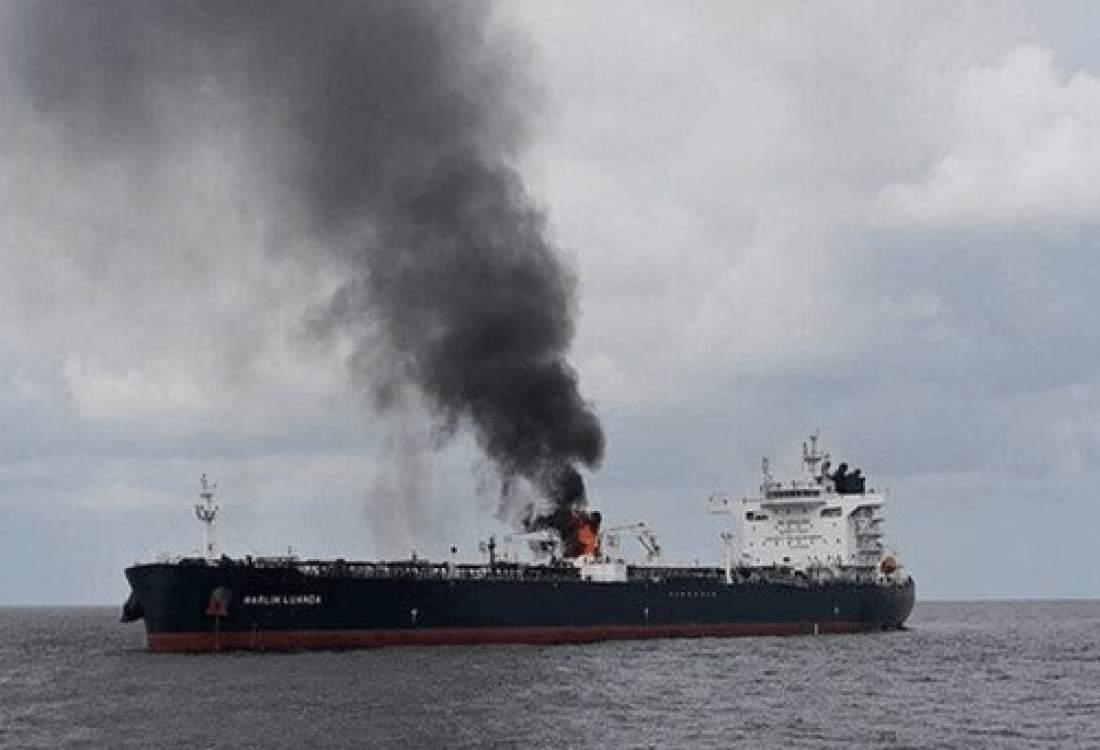
Independent data cited in the report said the area around the Strait of Hormuz saw in the past 48 hours at least five incidents involving tankers and other merchant vessels, including drone attacks.
Fortifying nuclear sites
The Wall Street Journal reported that Iran intensified preparations for a possible resumption of war with the United States by strengthening its defenses, fortifying its nuclear sites, and threatening a broader and harsher response to Washington and its regional allies.
The report said satellite images showed Iran started fortifying sensitive sites, including nuclear facilities and border areas, and it said Tehran last month erected temporary earthen barriers around the Fordow and Natanz nuclear sites.
Brig. Gen. Gholamreza Jalali, head of emergency planning, told reporters at the end of September that airports, ports, and power stations have prepared for warfare conditions, and that shelters and backup supplies have been arranged to continue operations during crises.
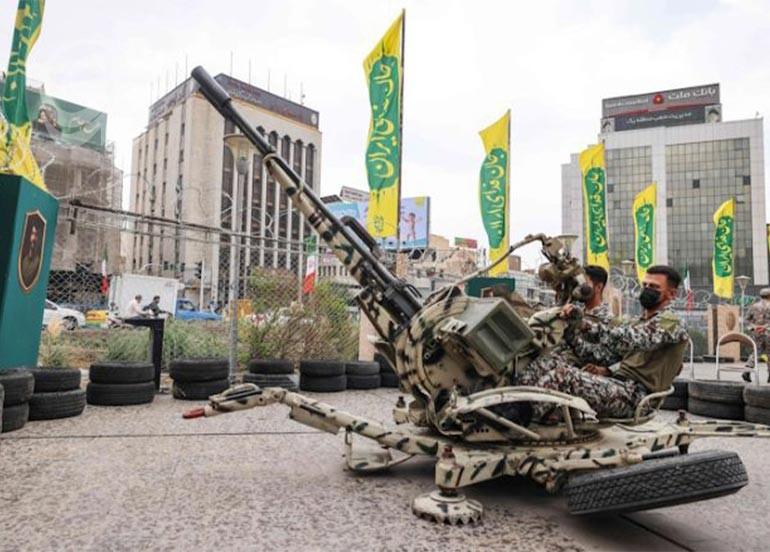
The report also said Iranian authorities prepared the public for a return to war, with billboards in Tehran showing civilian training courses on using shoulder-fired anti-aircraft missiles and sniper rifles.
The report added that the U.S. military is preparing for a possible return to fighting, with a third carrier strike group and another expeditionary group of Marines heading to the Middle East.
Threats, elections, and escalation
Mohsen Rezaee, head of Iran’s Supreme National Security Council, said Tehran may target American interests in Arab countries, in addition to data centers and internet cables in the region. The report said Iran told intermediaries it will target American individuals more aggressively, including attempting to sink American warships in the region and kill their crews. The report also said Iran’s warnings to regional officials included possible strikes on regional targets including oil facilities if the conflict resumes.
In parallel, the report said the Pentagon moved 12 B-1 bombers from a base in Britain amid concerns that the IRGC might plan drone attacks, while President Donald Trump ruled out a pre-election strike before the midterm elections scheduled for November 3. The report described a maritime escalation in the Strait of Hormuz, saying at least three merchant vessels were subjected to attacks over the weekend in or near the Strait, and it cited a drone attack that set fire to the UAE-flagged tanker Petro Dolphin near Oman on Sunday, resulting in the loss of two Indian crew members.