Finance16 September, 20263 min read
Bank of England Faces Pressure To Raise Rates As UK Inflation Hits 3.1%
This article is an automated aggregation of coverage from news outlets. Our editorials offer in-depth analysis curated by the NewsCord team.
Inflation rose to 3.1% in August, adding pressure on the MPC to raise rates. Analysts increasingly expect a year-end rate rise despite near-term holds.

Rates, inflation, and oil
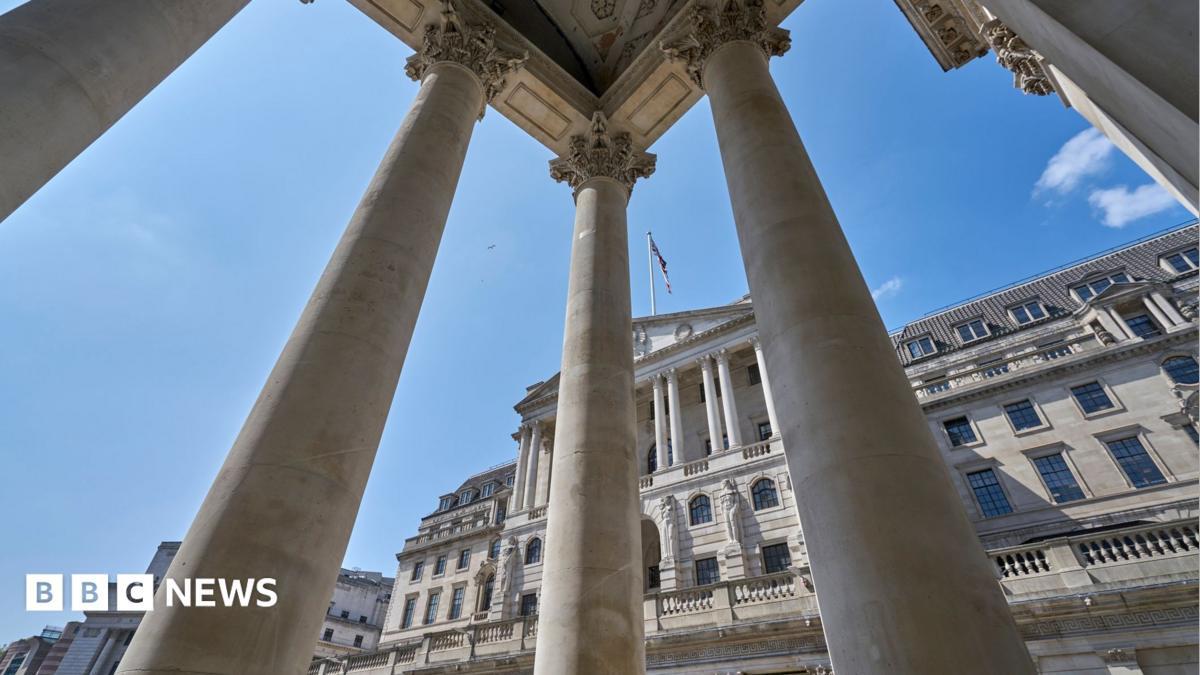
The Bank of England faced mounting pressure to raise interest rates on Thursday as a global bond market rout was fuelled by concerns over runaway government borrowing and sticky inflation, with investors warning Threadneedle Street it was “essential” to rein in prices before an energy shock spreads through the economy. The pressure intensified as the yield on America’s 10-year Treasury jumped above five per cent for the first time since 2007, while the UK’s 30-year gilt yield neared six per cent on Tuesday, its highest level since 1997, and shorter-term gilt prices suggested the Bank would hike rates as many as four times in the next 12 months. UK inflation data added to the urgency, with the Office for National Statistics saying the Consumer Prices Index (CPI) annual rate accelerated to 3.1% in August from 2.9% in July, pushing further above the Bank’s 2% target.
The BBC said the nine-member Monetary Policy Committee was expected to keep the benchmark Bank rate at 3.75% for a sixth consecutive meeting, but it also highlighted that the MPC could raise the Bank rate if the Iran war escalated and oil prices stayed above $100 a barrel. In that context, Bank of England governor Andrew Bailey told the BBC that “the odds are that interest rates will have to go up higher” if the conflict continued and oil prices remained above $100 a barrel.
Mortgage costs and market bets
Ahead of the Bank’s decision, lenders had already moved, with Mortgage Professional America saying major lenders had raised mortgage rates twice this month and swap rates had climbed sharply, leaving borrowers rolling off fixed deals bracing for higher repayments. Rob Clifford, chief executive of Stonebridge mortgage and protection network, said the August reading “confirmed what lenders had already priced in,” adding that “Nothing can be taken for granted” and that advisers “need to move fast no matter what the Bank of England does.” Emma Hollingworth, chief distribution officer at LSL Financial Services, said the inflation data “significantly raised the odds that it will hike borrowing costs this year,” while also noting that the European Central Bank had increased rates last week and markets expected the US Federal Reserve to follow.
The BBC reported that major lenders had already increased the cost of new fixed-rate mortgages in recent days, and it quoted mortgage broker Coreco’s Andrew Montlake saying that “the inflation dragon has not been fully slain.” Moneyfacts data cited by the BBC put the average two-year fixed residential mortgage rate at 5.77% and the average five-year at 5.83%, both at their highest levels since specific dates, as households weighed higher borrowing costs against more generous savings rates.
Bond-selling, QT, and the Treasury
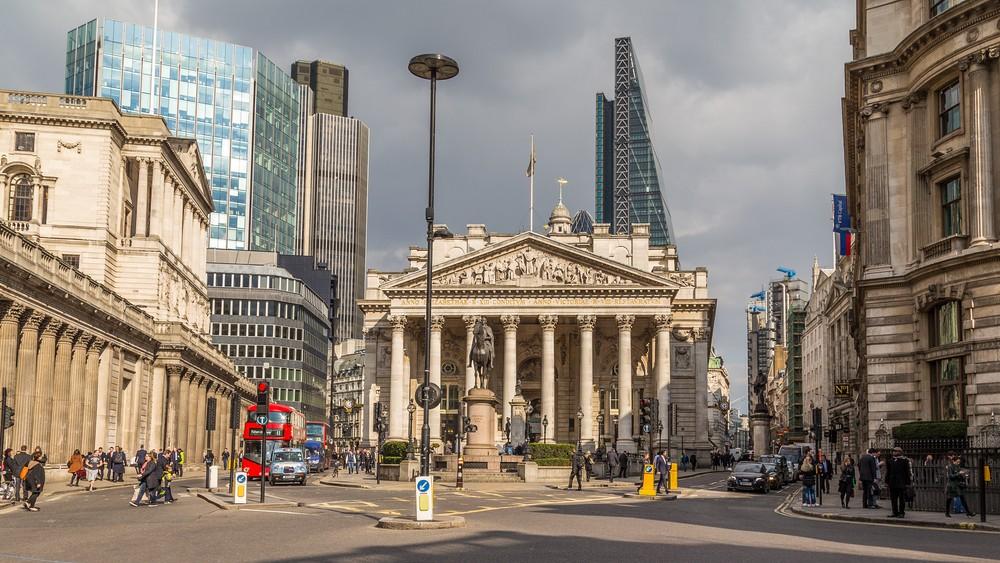
Beyond the immediate rate call, the Guardian reported economists urged the chancellor, John Healey, to press the Bank of England to slow or halt bond-selling under quantitative tightening, saying the programme “has already cost the exchequer billions of pounds.” The Guardian said the Bank’s MPC meets this week not only to decide interest rates but also whether to freeze or slow the sale of government bonds known as gilts, and it described how selling debt back to the market crystallises losses to the exchequer while increasing supplies and pushing up yields. It added that in August the Bank estimated its QT stance could result in total losses to the exchequer of £120bn if interest rates remain on the path expected by financial markets, and it noted the governor Andrew Bailey had defended the policy by telling parliament’s Treasury committee it was not in the MPC’s remit to limit costs to the government in the short-term.
The Guardian also said it was reported that Threadneedle Street officials had drawn up plans with the Treasury and the Debt Management Office to overhaul its money-printing programme, and it cited the Telegraph’s claim that the Bank would stop selling 20- and 30-year gilts bought under QT. Charlie Bean, a former deputy governor of the Bank of England, warned that “I do not think it is politically sustainable” for the MPC to take such decisions without involvement of the Treasury or without reducing spillovers to it.