
Finance · updated 4h ago · 3 min read
Giorgia Meloni’s Government Scraps Italy Road Tax for 14.5 Million Cars and Motorcycles in 2027
14.5 million cars and motorcycles exempt from car tax in 2027. Exemption covers passenger cars up to 80 kW (about 109 hp).
17 outlets, one story, no spin found.
1 of 2 outlets skipped it: critics liken the tax cut to treating fuel-price pressure.
17outlets compared
Italy scraps road tax
Italy will scrap road tax for 14.5 million cars and motorcycles from next year, a move expected to cost the country more than €2 billion, as Prime Minister Giorgia Meloni’s government seeks support ahead of a national election in 2027.
“Italy said on Wednesday it would scrap road tax for 14.5 million cars and motorcycles from next year”
Meloni said in a statement, "Today, the government is eliminating one of the taxes most hated by Italians," after a cabinet meeting approved the plan.
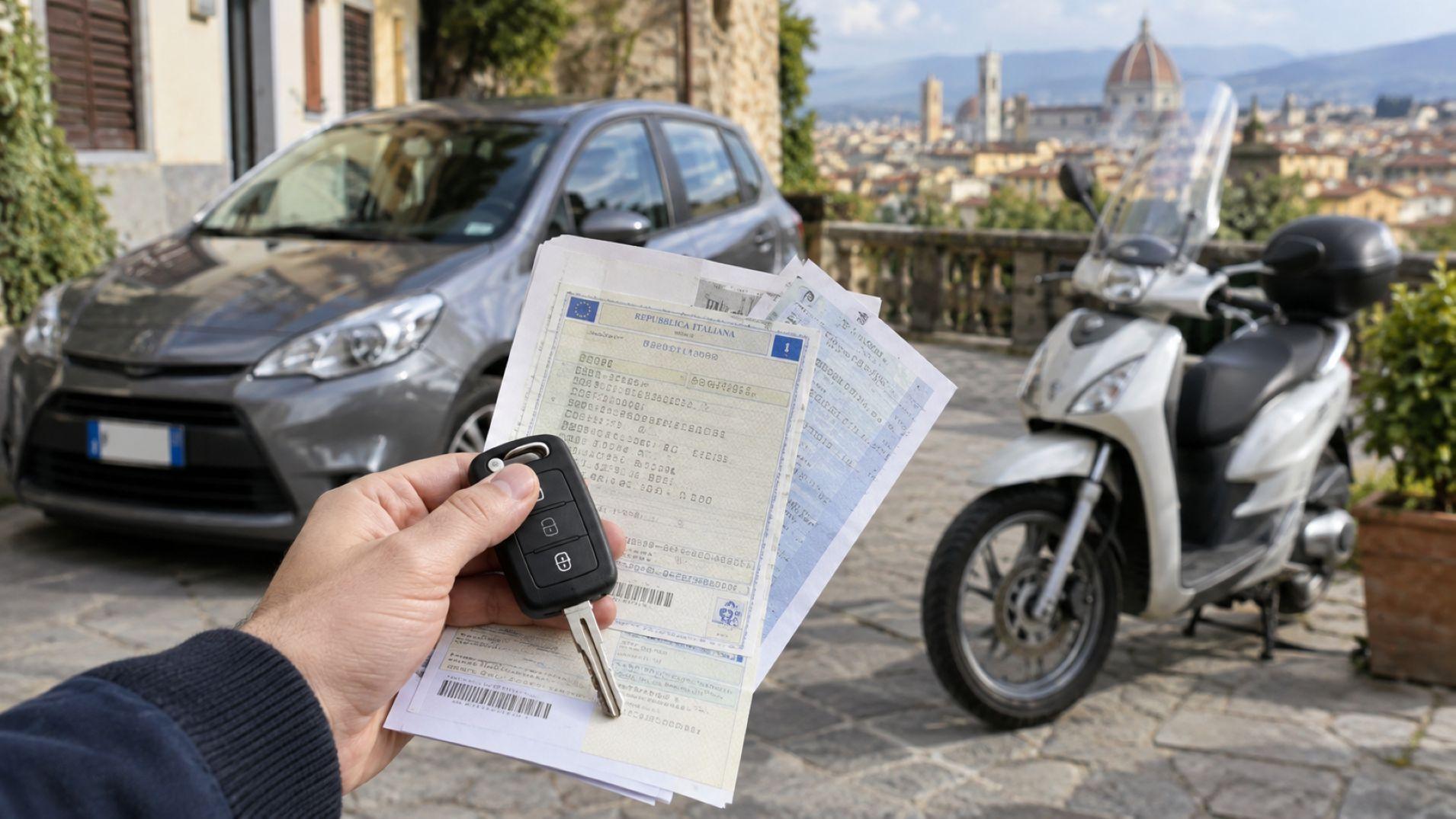
A draft decree seen by Reuters said the exemption would apply only in 2027, for vehicles with a maximum power output of 80 kilowatts (kW), at an estimated cost of €2.36 billion.
The benefit would apply to all motorcycles and more than 70% of small- and medium-sized cars, but citizens would be entitled to use it for just one properly insured vehicle.
The government’s most recent budget plan projects public debt peaking at almost 139% of gross domestic product (GDP) this year, replacing Greece as the euro zone’s most indebted country.
Critics and coalition
Coalition parties welcomed the measure as part of the government’s tax-cutting agenda, while critics dismissed it as a bid to divert attention from rising fuel prices.
Rossano Sasso, a senior aide to Vannacci, said, "It's like treating pneumonia with a throat lozenge," as he argued the tax cut was not a real cure for the cost pressures.
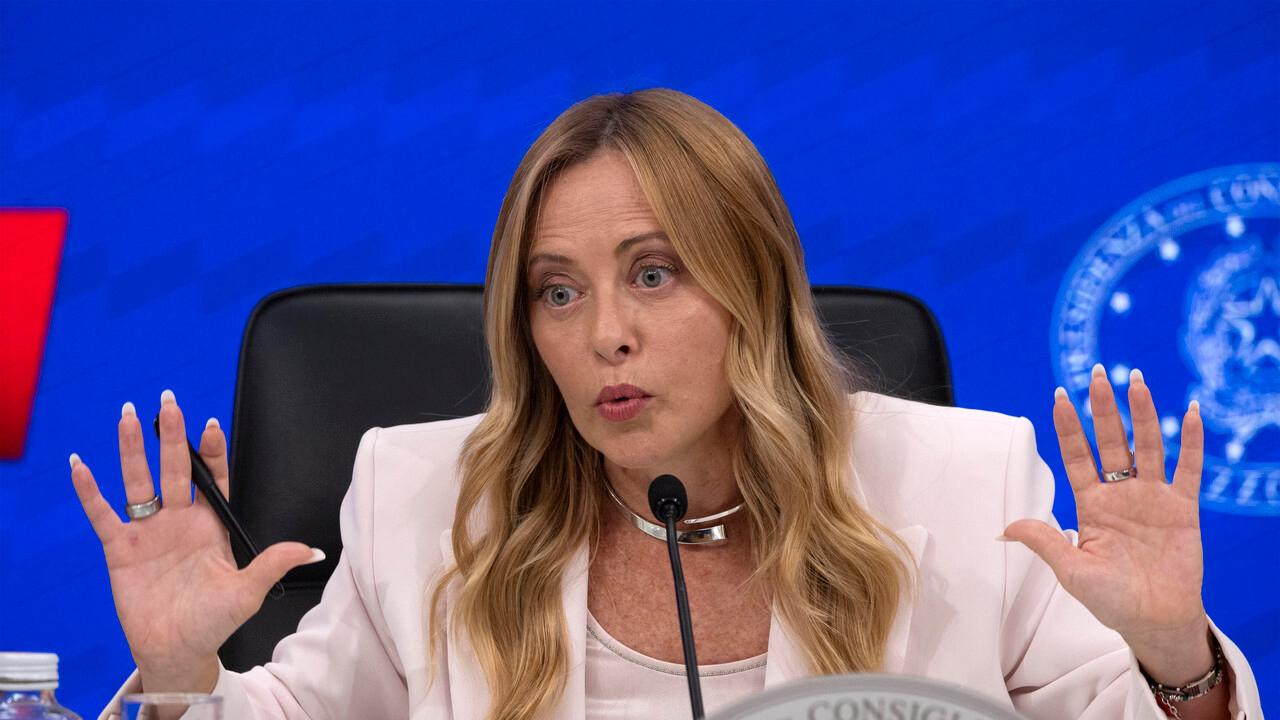
Meloni told a news conference after a cabinet meeting that approved the plan, "We chose to continue our tax-cutting agenda, in line with the approach the centre-right has pursued on previous occasions," framing the decision as part of a broader approach.
The Reuters report also said neither Meloni nor Giorgetti clarified where the money needed to cover the initiative would be found, even as the European Commission and the IMF said Italy should have applied more targeted measures.
In parallel, Italy renewed until September 25 an excise duty cut on diesel, reducing it to 12.2 euro cents per litre from the current 17 cents, with the subsidy falling to around 6 cents between September 26 and October 5.
Who benefits and what next
The exemption is structured around vehicle power, with the Council of Ministers estimating that 14.5 million cars will be exempt in 2027 and that it potentially applies to all cars with a power below 80 kW, alongside all motorcycles.
“the decree states that regions will be given nearly 2.3 billion euros as compensation”
But the same reporting stressed that each person can have only one exemption, meaning those who own more vehicles can avoid paying only for one vehicle, and that this makes it difficult for the government to estimate the impact of the annual exemption.
The Il Post described how the decree states that regions will be given nearly 2.3 billion euros as compensation, equal to about 30 percent of the total annual revenue of 7.5 billion.
Meanwhile, the government said it would try to make the measure permanent, with Economy Minister Giancarlo Giorgetti saying Rome would attempt to do so, even as an official added the government could intervene through next year’s budget.
Corriere della Sera framed the policy as a 2027-only change tied to ordinary payment deadlines between January 1 and December 31, 2027, with the implication that whoever governs in 2028 would have to decide whether to renew it.