
Finance · 14 September, 2026 · 3 min read
U.S. 10-Year Treasury Yield Hits Highest Since 2007 Ahead Of Federal Reserve Decision
10-year Treasury yield rose to about 5.04%, highest since July 2007. Oil price surge and inflation concerns boosted bets the Fed will hike rates.
Drivers of the yield surge are attributed slightly differently across outlets.
5 of 7 outlets skipped it: bessent intervened to contain longer-dated yields.
11outlets compared
Same story, two versions
tap a side to read it in full
Global Times
“Higher oil prices, prospects of persistent inflation and expectations of further interest rate hikes have been seen as factors driving up yields on U.S.”Read the original ↗
Reuters
“Government borrowing costs hit their highest level since the 2008 financial crisis on Tuesday”Read the original ↗
One stresses domestic macro channels, another foregrounds global debt tension and borrowing costs.
5% Yield, Fed in Focus
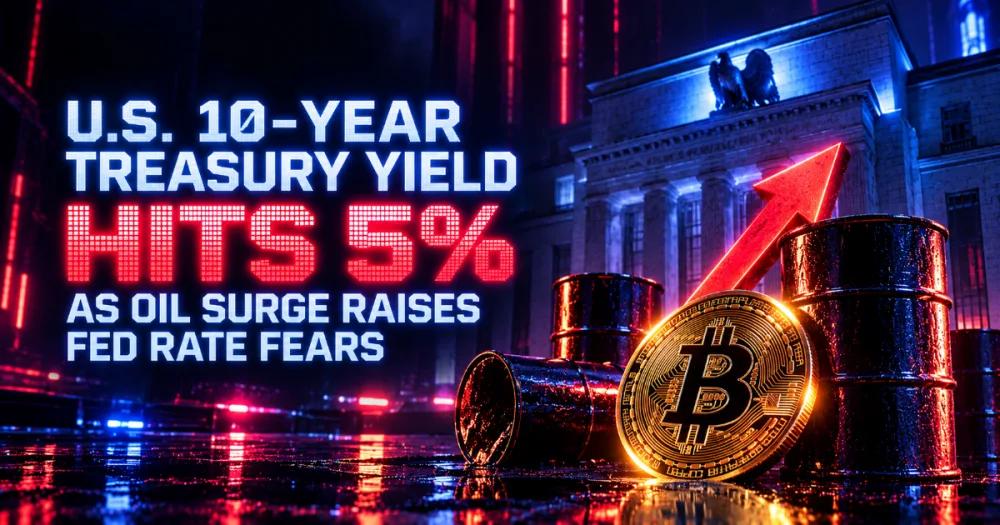
The yield on the benchmark 10-year U.S. Treasury note rose to 5.04 percent in early trading on Tuesday, the highest level since July 2007, as markets priced higher borrowing costs ahead of the Federal Reserve’s monetary policy decision on Wednesday.
“The yield on the benchmark 10-year US Treasury note rose to 5.04 percent in early trading on Tuesday”
Global Times said the move came as higher oil prices and expectations of further interest rate hikes were seen as factors driving up yields, while the global bond market anchored by the nearly 32-trillion-U.S.-dollar Treasury market experienced a significant sell-off.G
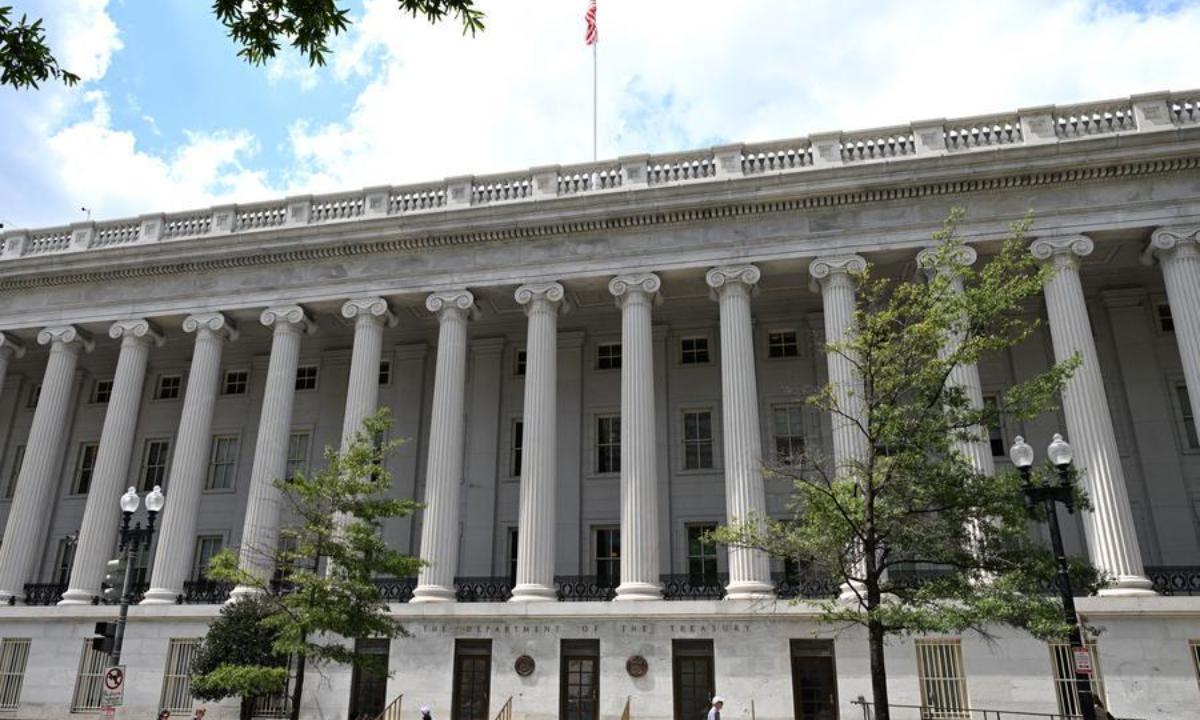
Reuters reported that government borrowing costs hit their highest level since the 2008 financial crisis on Tuesday, with 10-year U.S. RTreasury yields rising above 5%, highlighting tension between fast-growing global debt loads and so far resilient economic growth.
Reuters also said the widening conflict sent oil back above $100 a barrel, adding pressure on central banks to raise interest rates to tackle inflation, and that the Federal Reserve was expected to raise rates for the first time since 2023 on Wednesday.R
In a separate Reuters market framing, Carol Schleif, chief market strategist at BMO Wealth Management, said the Fed has "little choice but to hike rates" this week, as the bond market had been "signaling for weeks that higher rates are warranted."R
Inflation Data and Probabilities
Fox Business said the Federal Reserve was holding a closely watched monetary policy meeting this week as the market expects the central bank to hike interest rates amid concerns about stubborn inflation, with the benchmark federal funds rate sitting at a target range of 3.5% to 3.75%.
Fox Business reported that the CME FedWatch tool showed a 92.5% chance of a 25-basis-point hike versus a 7.5% probability of rates staying at their current level, and it cited inflation readings including PCE up 3.7% annually in July and core PCE up 3.3%.
Fox Business added that the Fed’s preferred inflation gauge, the personal consumption expenditures (PCE) index, was up 3.7% on an annual basis in July while core PCE was up 3.3%, and it said CPI was up 3.4% annually in August while core CPI was up 2.4%.
Josh Hirt, senior economist at Vanguard, told FOX Business that the "developments over the last week, including the inflation report today" made the case for a more adverse reaction if the Fed did not go on Wednesday unless communication was extremely strong relative to moving.
Hirt also argued that "the base case would be if they were to move [on Wednesday], I wouldn't see any necessary conditions that the market has to move higher based on that."
Borrowers, Budgets, and Spillover
Reuters said the move in the 10-year Treasury yield above 5% was a headache for sovereign and corporate borrowers everywhere because it is a benchmark for virtually every other asset in financial markets, while also noting that the U.S. economy may be growing quickly enough to sustain 10-year borrowing rates above 5%.R
“the bond selloff has raised the cost for governments to borrow”
Reuters warned that the bond selloff raised the cost for governments to borrow but also left them with higher interest bills that siphon funds from social, defence and other programmes, raising questions about the sustainability of their debt burdens.
Reuters quoted Samy Chaar, chief economist at Lombard Odier, saying, "Yields at 5% aren't a problem if you're growing 6.5%. RBut if you're growing 5% with yields at 5%, that might be a different story," tying the stakes to growth versus borrowing costs.
CNBC said the 10-year yield is a benchmark for consumers loans and corporate funding, and it reported that the 10-year yield scaled to 5.041% earlier in the session, the highest since July 2007.
CNBC also quoted Jonathan Liang, Standard Chartered's CIO of fixed income and FX, saying, "U.S. 10-year treasuries are highly sensitive to inflation expectations," as traders linked the yield pressure to oil prices and expectations for a Fed rate hike on Wednesday.