Finance16 September, 20262 min read
Federal Reserve Raises Federal Funds Rate to 3.75%–4% in 12-0 Vote
This article is an automated aggregation of coverage from news outlets. Our editorials offer in-depth analysis curated by the NewsCord team.
Fed raises rate by 25 bps to 3.75%–4.00%, first hike since 2023. Vote was unanimous among policymakers, signaling possible additional hike later this year.
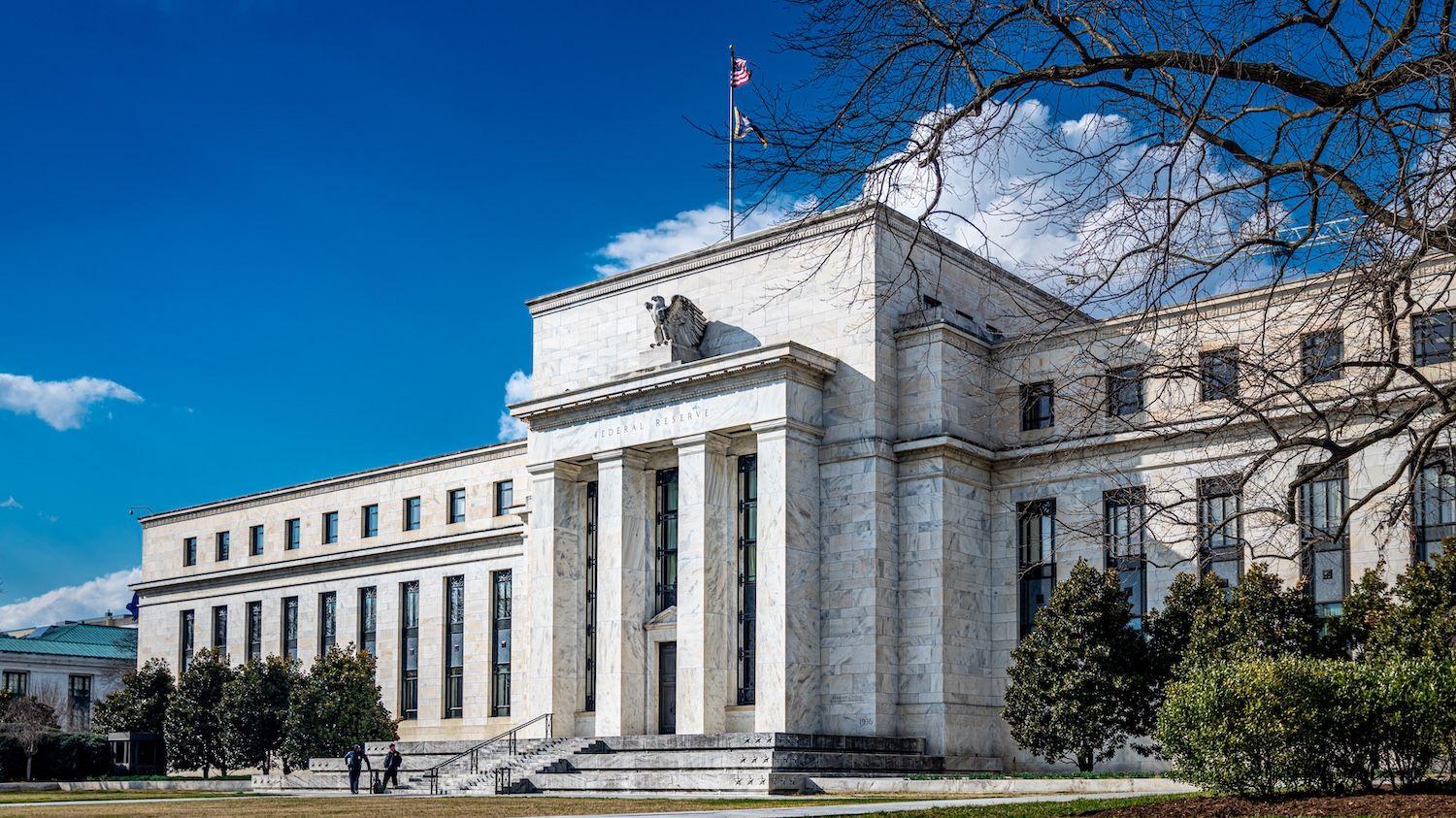
Fed hikes, Warsh under pressure
The Federal Reserve raised its target range for the federal funds rate to between 3.75% and 4% in its first rate hike in more than three years, voting 12-0 to increase the key interest rate by a quarter percentage point, or 25 basis points. In a post-meeting statement, the committee said, "Inflation remains elevated," and Chairman Kevin Warsh said inflation has been "too high ... for too long." Warsh tied the decision to inflation and the strength of the labor market, while CNBC reported that tension in the Middle East also contributed to the decision.
Markets had already priced in a better than 90% chance of the move, and CNBC said updated projections showed a strong majority of officials think another hike is possible later this year. After the decision, Bloomberg reported the yield on the 10-year Treasury note pared its decline to around 4.98% and that the Fed planned another hike by the end of this year.

Dot plot points to more
CNBC reported that the dot-plot grid showed 16 of the 18 participants expected another rate increase, with four of those seeing two more as possible, while two participants expected the committee to stop at one hike. The same CNBC report said the Fed does not expect to reach its inflation target until 2029, with headline personal consumption expenditures at 3.7% and core excluding food and energy at 3.4%. At the press conference, Warsh reiterated his concern about inflation, telling reporters, "Too many categories continue to show increases above 3% in both 6- and 12-month periods."
Bloomberg also said the Fed’s median projection for rates at the end of 2026 rose from 3.8% to 4.1%, signaling growing support for a series of rate hikes. In parallel, BusinessLine said the Fed’s quarterly projections expected rates to come back down in 2028 and put the federal funds rate at between 3.5% and 3.75% in 2029.

What it means for money
For borrowers, CBS News said a rate hike could make borrowing more expensive, and it quoted Matt Schulz of LendingTree saying, "Cardholders should expect their credit card's APR to rise a quarter-point in the next couple of months following the Fed's move." CBS also reported that the higher rate would apply to current balances as well as future purchases, and it said the increase could add only "a dollar or two" to the monthly bills of people carrying credit card balances. For savers and longer-term rates, CBS News said mortgage rates tend to track the 10-year Treasury bill, and it linked higher yields to investors demanding more for longer-duration bonds when inflation is elevated.
“Cardholders should expect their credit card's APR to rise a quarter-point in the next couple of months following the Fed's move.”
Boursorama reported that Wall Street swung after the Fed raised its key rate, with the Dow Jones falling 0.20% to 51,991.19 while the S&P 500 rose 0.28% to 7,606.82 and the Nasdaq Composite gained 0.66% to 26,152.06. In the same market context, Boursorama said crude oil prices CLc1 fell after reports that Saudi Arabia was offering additional cargoes of crude via Oman eased concerns about supply disruptions.