South America16 July, 20263 min read
Brazil Becomes New Destination For Cubans After U.S. Tightens Immigration Rules
This article is an automated aggregation of coverage from news outlets. Our editorials offer in-depth analysis curated by the NewsCord team.
Curitiba has become a hub for Cuban migrants. Cuban migration to Brazil is part of the largest exodus since 1959.
Cubans reroute to Brazil
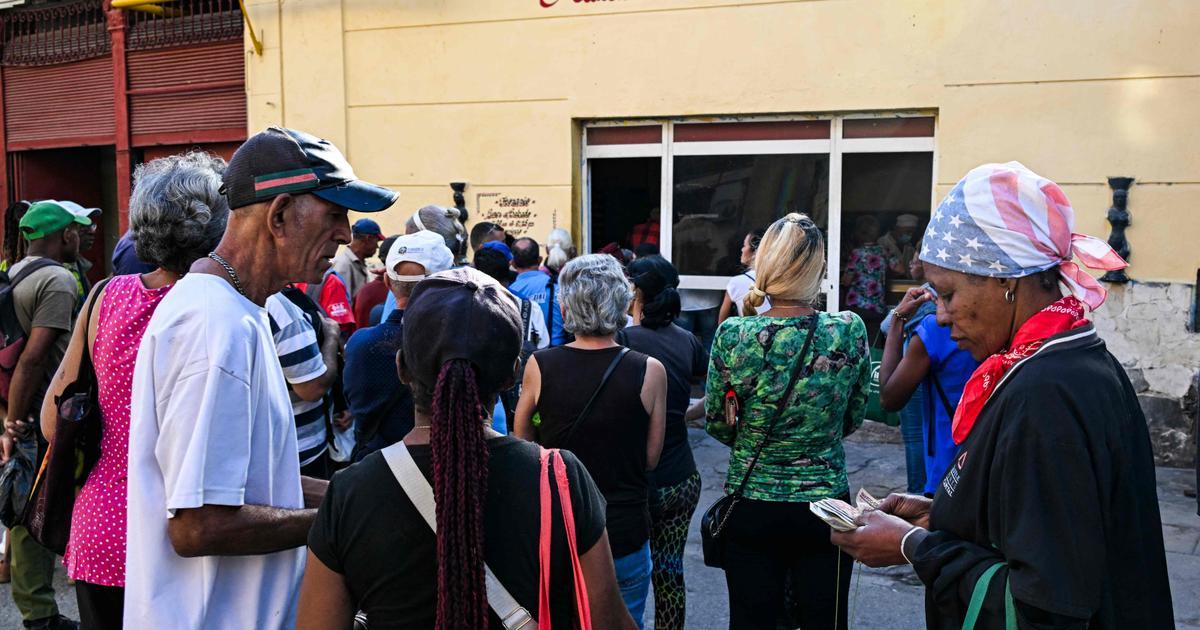
Brazil has become a preferred destination for Cubans seeking to leave the island after the United States tightened immigration rules, with Courrier international describing how Cristina in central Havana said her neighbor Julio left Havana for Curitiba in the state of Paraná and told her he earns more than $500 a month and is happy. Courrier international adds that Cristina’s household earns $30 a month between her son’s public works job and her husband’s odd jobs, and it frames the shift as a consequence of U.S. restrictions that included restricting entries of Cuban nationals into the country in June and suspending all immigration and naturalization applications concerning them in December.
“Brazil has become the preferred destination for those who want to leave the island.”
El Mundo places Curitiba at the center of a Cuban diaspora “new Miami,” saying Jorge Ruiz, a professional baseball player from Havana who emigrated eight months ago, joined the Latinos de Curitiba team and said, “We had no choice but to leave Cuba; we couldn't take it anymore,” while describing shortages including “There was no electricity; there wasn't enough food... you were lucky if you ate meat once a month.” El Mundo also reports that Brazil last year received a record 44,381 asylum applications from Cubans, more than any other country in Latin America and double the previous year, according to CEDA, a Washington-based non-profit organization that tracks Cuban migration.
Voices, solidarity, and pressure
In Brasília, Cubadiplomática reports that the National Association of Cuban Residents in Brazil — 'José Martí' (ANCREB-JM) issued a declaration on January 16 expressing solidarity with Cuba and with the families of the 32 Cubans who fell defending Venezuela's sovereignty, and it says the group condemned “the hostile expressions coming from U.S. President Donald Trump.”
Cubadiplomática also quotes the José Martí Association saying, “We stand in solidarity with their families and loved ones, sharing the mourning that saddens the Cuban nation and its diaspora,” while it adds that the declaration rejects “the threats of aggression from the U.S. government against Cuba.”

Ouest-France, meanwhile, reports that Cuban president Miguel Díaz-Canel promised an “indestructible resistance” in the face of Donald Trump’s threats to seize the communist island, and it says Díaz-Canel charged that the United States uses “the harsh restrictions of an economy weakened by their aggression” as a pretext.
Ouest-France also reports that Díaz-Canel said, “any external aggressor will encounter an indestructible resistance,” and it notes that the U.S. Secretary of State Marco Rubio denied a New York Times article claiming that American officials urged Cuba to oust Díaz-Canel.
Brazil tightens transit rules
As the Cuban diaspora expands across South America, franceguyane.fr reports that Brazil will tighten transit rules starting Monday, August 26, requiring people arriving at Brazilian airports without an entry visa and destined for other countries to continue their journey or return to their point of origin. The local report says the Brazilian government will tighten rules for transit travelers to prevent abuse of asylum requests, and it quotes the Ministry of Justice press release that the measure aims to protect access to asylum for those who “actually demonstrate their interest in seeking international protection.”
franceguyane.fr adds that the Federal Police conducted investigations and concluded that criminal organizations recommend to migrants, mainly originating from Asian countries, to seek asylum in lieu of the entry visa, and it provides figures showing asylum applications at Guarulhos International Airport rising from 69 in 2013 to 4,239 in 2023 and 6,329 between January and August this year. Le Devoir frames the broader stakes by calling it “the largest migratory wave since the Cuban Revolution,” saying that in two years at least 533,000 Cubans joined the northern neighbor and that this figure represents the largest number of Cuban migrants ever recorded over two consecutive years since 1959, according to Jorge Duany.