South America15 July, 20262 min read
Marco Rubio Tells U.S. Senate Washington Won’t Carry Out Military Action in Venezuela
This article is an automated aggregation of coverage from news outlets. Our editorials offer in-depth analysis curated by the NewsCord team.
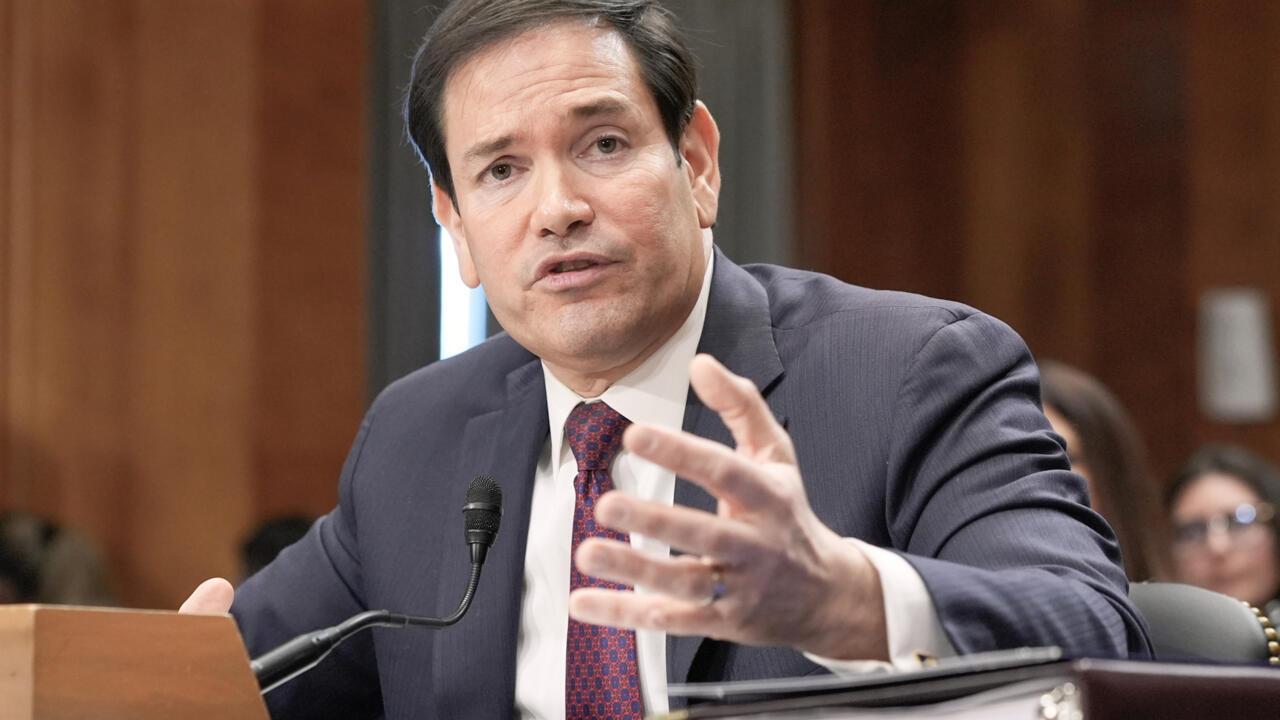
US policy toward Venezuela is cautious, prioritizing cooperation with interim authorities. Rubio testified before the Senate to explain Washington's Venezuela policy.
Rubio, Maduro, and diplomacy
U.S. Secretary of State Marco Rubio appeared before the U.S. Senate on Wednesday, January 28 to explain Washington’s policy toward Venezuela after Nicolas Maduro’s capture on January 3, 2026.
Rubio said, “We have a team on the ground that is assessing the situation, and we think we can open an American diplomatic representation in the near future,” adding that it would let Washington “interact, not only with regime officials, with the provisional authorities, but also with civil society and the opposition.”
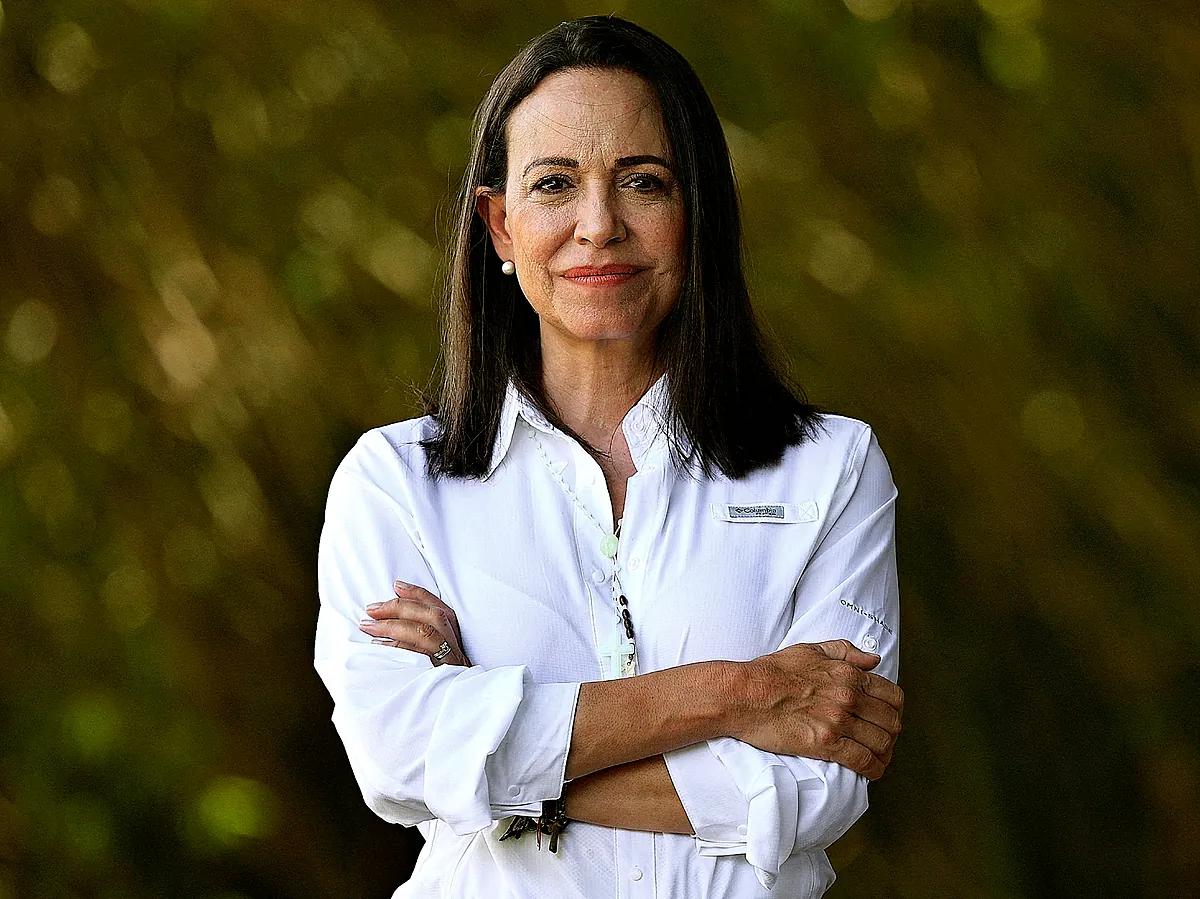
RFI reported that last week the United States named Laura Dogu, a former ambassador to Nicaragua and to Honduras, to be U.S. chargé d’affaires in Venezuela, currently based in Bogota, Colombia.
RFI also quoted Rubio saying, “I can tell you right now with certainty that we are not ready to carry out military action in Venezuela, that we have no intention of doing so and that we do not expect to have to do so.”
Opposition, elections, and pressure
In Venezuela’s political crisis, euractiv said Nicolás Maduro and Edmundo González Urrutia both declared themselves winners of the presidential ballot on July 28, while protests after the vote were met with heavy repression resulting in 23 deaths and about 2,400 arrests, according to the latest UN figures.
euractiv quoted Vedant Patel, the deputy spokesperson for the U.S. State Department, urging on August 12 that the Venezuelan parties begin discussions on a respectful and peaceful transition.

El Mundo said the day after a “bombshell announcement” clarified how far the Washington-forced political move extends, leaving María Corina Machado out of negotiations for the electoral roadmap, and it quoted Dinorah Figuera saying, “Today there are not the necessary conditions to hold elections in Venezuela.”
El Mundo also described a dialogue agenda of 20 leaders that would include renewal of the Supreme Tribunal of Justice (TSJ) first, followed by an election of a National Electoral Council (CNE) with “two revolutionaries, two opponents, and an independent figure” in which the U.S. would have much weight.
Lula in Washington and stakes
France 24 reported that Lula arrived in Washington on Wednesday to meet Donald Trump at the White House on Thursday morning, with the Brazilian president seeking to tackle “thorny issues” while trying to bolster his image in Brazil ahead of the October election. France 24 said Lula, 80, is neck-and-neck in the polls with Flávio Bolsonaro, and it quoted AFP’s Oliver Stuenkel saying, “We are optimistic because the invitation came from Trump, so the era of belligerence between the United States and Brazil is over.”
The same France 24 report said the meeting’s security agenda includes cooperation in the fight against drug cartels, and it noted that Brasilia and Washington signed in April an agreement to combat arms and drug trafficking, including sharing data from container scanner checks. France 24 added that the talks are also expected to address America’s interest in Brazil’s rare-earth deposits, and it quoted Dario Durigan saying, “Foreign investments are welcome, but we want to stimulate industrialization by creating highly skilled jobs.”