South America30 October, 20252 min read
Brazilian Police Execute Teenagers and Decapitate Victim in Deadliest Favela Massacre
This article is an automated aggregation of coverage from news outlets. Our editorials offer in-depth analysis curated by the NewsCord team.
Brazilian police executed multiple teenagers during the deadliest favela raid in Rio de Janeiro. Officers decapitated a teenage victim and displayed his head publicly as a warning.

6 outlets told this the same way.
Outlets did split on Brazil Police Kill Suspect After 13 Kindergarteners Held Hostage In Curitiba →
Deadly Favela Police Raid
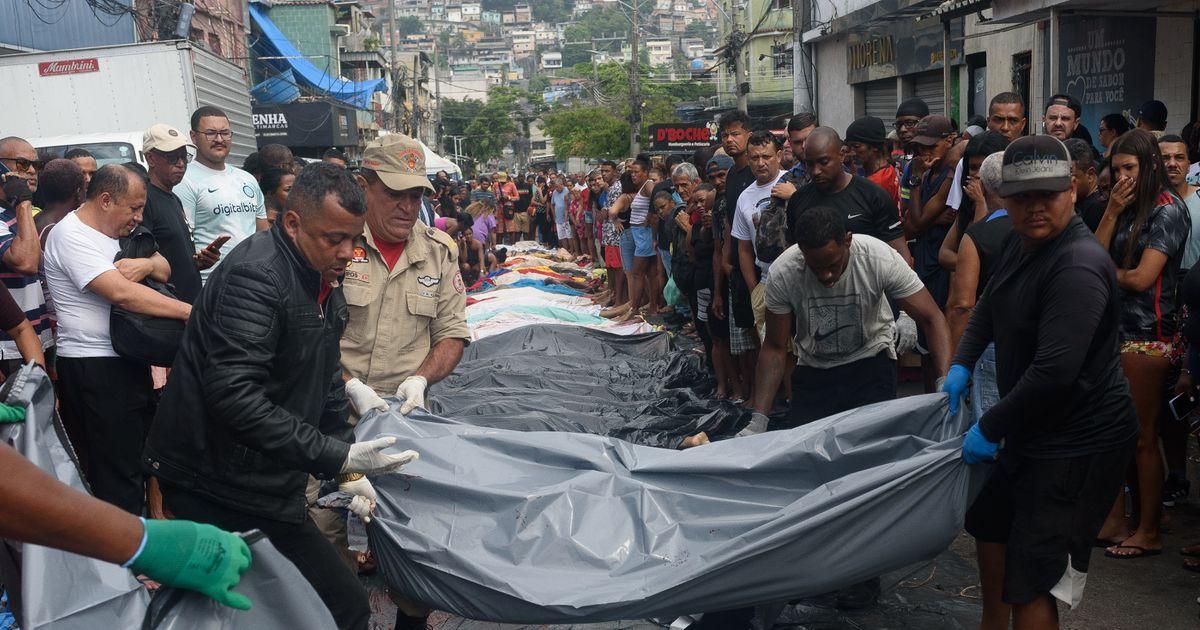
Brazil’s deadliest favela raid took place in Rio de Janeiro’s Complexo da Penha. Reported death tolls range from at least 119 to around 132, highlighting both the scale and uncertainty of the crackdown. Media outlets from West Asia and the West agree on the extraordinary lethality of the operation but differ on its scope.
“A deadly police raid in Rio de Janeiro's Penha favela resulted in at least 119 deaths, marking Brazil's bloodiest such operation...”
Khaleej Times describes a single operation in Penha where residents lined up bodies in protest and accused police of executions. The Telegraph reports simultaneous actions across the Alemão and Penha favelas.
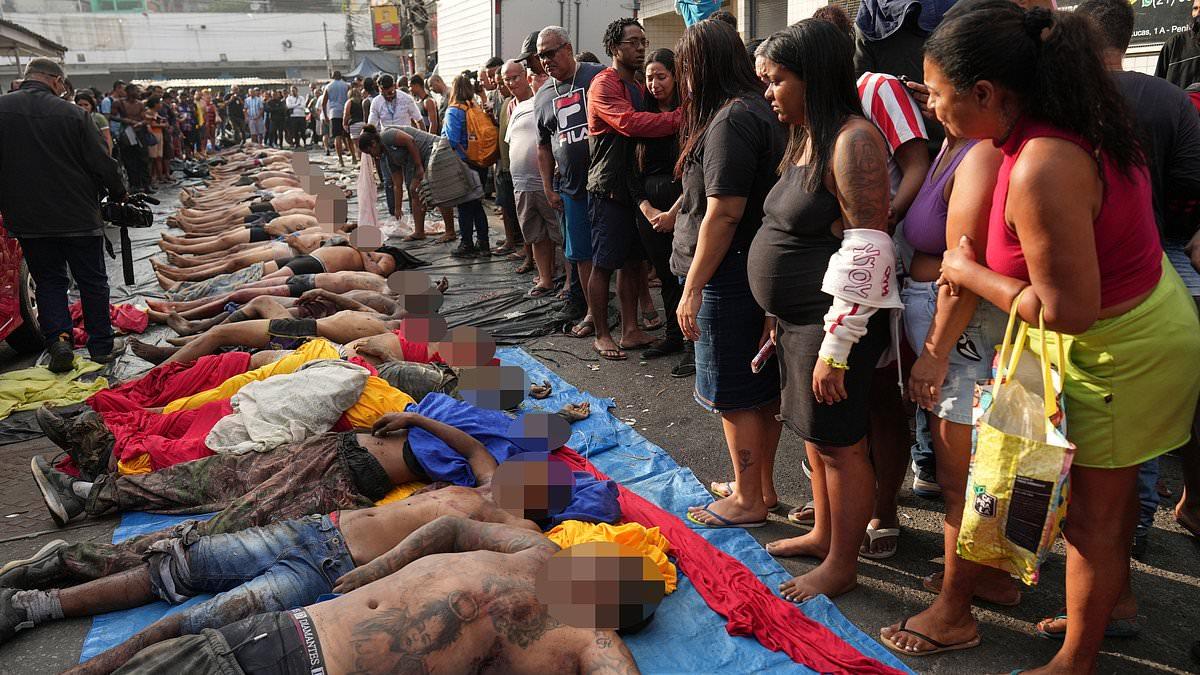
Authorities defended the raid as a success against organized crime. Families and neighbors, however, alleged summary killings in the streets.
Reports of Police Executions
Allegations of executions and mutilation are central to the coverage. The Telegraph reports officers were accused of executing dozens of teenagers and young men and describes a decapitated teenager whose head was hung from a tree, with some bodies showing burn marks. Mail Online similarly reports beheading claims with the head displayed publicly and widespread accusations of police executions.
The US Sun adds that the decapitated victim was a 19-year-old gang member and that families say victims bore execution-style wounds, burn marks, and bindings. Khaleej Times does not describe the decapitation but highlights residents accusing police of executing civilians.

Urban Conflict and Police Operations
Sources describe escalating, tit-for-tat violence in urban areas. Mail Online and The Telegraph report that gangs retaliated by dropping bombs from drones on police, signaling a new phase in the conflict. Coverage varies on naming the criminal group involved—Mail Online identifies Comando Vermelho, while The Telegraph refers to the Red Command.
“In retaliation, gangs launched drone bomb attacks on police, marking a new level of violence in the ongoing gang war.”
Khaleej Times avoids naming a group, calling it a “major criminal group.” The Telegraph cites authorities claiming the operation aimed to protect residents by pushing criminals into forests.
Khaleej Times reports the state government defended the raid as a success. This official framing contrasts sharply with families’ allegations of executions reported across outlets.
Security Concerns Ahead of COP30
The political and global backdrop sharpened scrutiny of the recent bloodshed. Khaleej Times notes the violence occurred just days before Brazil hosts COP30. Mail Online links the raid to heightened security measures ahead of the summit, mentioning expected attendees like Prince William.
Both Khaleej Times and Mail Online quote President Luiz Inacio Lula da Silva urging a fight against organized crime that protects both civilians and officers. The Telegraph highlights the historic magnitude of the event, surpassing the 1992 Carandiru prison massacre, and reports residents’ fear. Mail Online also reports increased security and federal support for Rio’s state government in preparation for the summit.