Britain17 November, 20252 min read
British Government Proposes 20-Year Wait for Permanent Residency and Authorizes Seizure of Asylum Seekers' Valuables
This article is an automated aggregation of coverage from news outlets. Our editorials offer in-depth analysis curated by the NewsCord team.
Asylum recipients must wait 20 years before applying for permanent settlement Granted refugee status becomes time-limited and subject to regular review

7 outlets told this the same way.
UK asylum policy changes
The British government has proposed sweeping asylum-policy changes that would extend the wait for permanent residency from five years to 20. The proposal would also authorize officials to seize asylum seekers' valuables to help cover processing costs. The measures were presented as part of a broader push to tighten immigration controls amid concerns about small-boat crossings and illegal migration.
“The British government on Monday proposed sweeping asylum-policy changes that would lengthen the wait for permanent residency from five years to 20 and allow officials to seize asylum seekers’ valuables to help cover processing costs. The measures — announced amid rising frustration over the Labour government’s failure to stop small boats crossing the English Channel — are aimed at tightening immigration controls.”
Ministers framed the package as necessary to deter irregular arrivals. Key reporting highlights both the lengthened route to settlement and the new power to confiscate valuables as central elements of the proposal.

Temporary refugee protection changes
A central policy change across reports is making refugee protection effectively temporary, with new permissions time-limited and subject to regular reviews rather than offering indefinite leave after five years. The BBC and Eastern Daily Press describe an initial permission of roughly two and a half years (30 months) with periodic reviews and potential removal once a home country is judged safe.
The i Paper likewise sets out that refugee status would become temporary and be reviewed every 30 months. These changes, paired with a longer route to permanent settlement, fundamentally reshape the legal trajectory for people granted asylum.
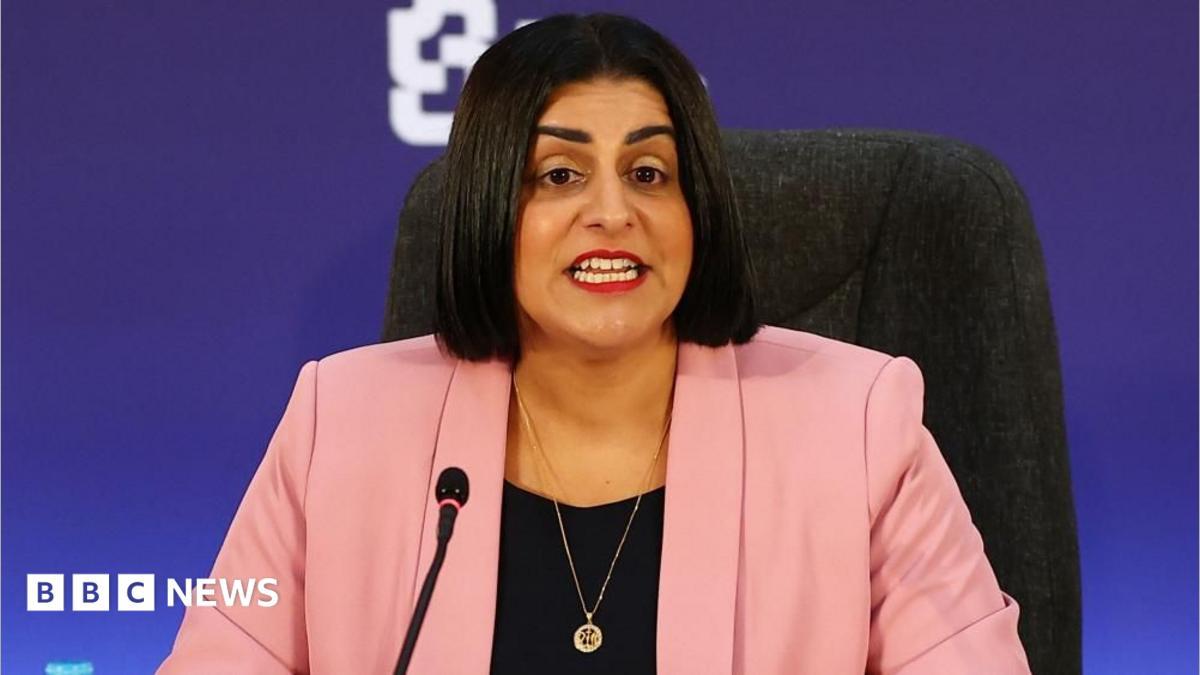
Proposed asylum changes
The package also targets support and rights tied to asylum. Several outlets report the government would revoke the statutory duty to provide guaranteed housing and weekly allowances, end automatic family reunification for many people granted asylum, and impose tougher settlement conditions (higher-level English, employment and clean criminal records).
“The statutory duty to provide guaranteed housing and weekly allowances for asylum seekers would be revoked; support could be denied to those who break the law or who can work but refuse to.”
The i Paper details revoking guaranteed housing and allowances and ending automatic family reunification. The Daily Mail and BBC echo the removal of automatic state handouts and the framing of tougher settlement tests, while the Washington Post highlights the controversial power to seize valuables to cover processing costs.
Modelled on Denmark approach
Several sources say the package is modelled on Denmark's temporary-permit approach, with officials reportedly studying that country's rules. The i paper states the plan is reportedly modelled on Denmark's stricter approach, noting limits on family reunification, temporary residence and the deportation of many failed applicants, and it notes Home Office visits to Copenhagen.
The BBC similarly describes the reforms as modelled on Denmark's temporary-permit approach. Tabloid coverage such as the Daily Mail invokes Denmark as a blueprint, while the Eastern Daily Press and the Washington Post reference broader deterrence goals and international comparisons.

Asylum coverage across outlets
Political context and reactions vary across reporting. The Eastern Daily Press cites Home Office figures showing a record 111,084 asylum applications in the year to June 2025 to explain the urgency. The BBC notes criticism from refugee groups and some MPs alongside cautious interest from other parties.
“Home Office figures show a record 111,084 asylum applications in the year to June 2025.”
Tabloids frame the plan as decisive action against a 'pull-factor.' Overall coverage mixes government deterrence rhetoric with concerns from advocates about rights. Disparate tones reflect each outlet's editorial stance.