Full story
Al-Burhan’s dialogue immunity
Sudan’s Sovereign Council chief and army commander Abdel Fattah al-Burhan pledged temporary immunity and legal, political and security guarantees for participants in a Sudanese dialogue managed by an independent national mechanism, speaking early on Saturday during celebrations marking the 72nd anniversary of the Sudanese Armed Forces.
“al-Burhan said criminal proceedings against participants facing charges would be temporarily suspended”
Al-Burhan said criminal proceedings against participants facing charges would be temporarily suspended while they take part in the dialogue, while measures taken by the state would not amount to a pardon and would not affect the rights of those who filed complaints.

He also said the national dialogue should be an open-ended process conducted in a public space that allows society to express opinions and criticism without fear or restrictions, and he pledged legal protection for opinions and positions expressed by participants.
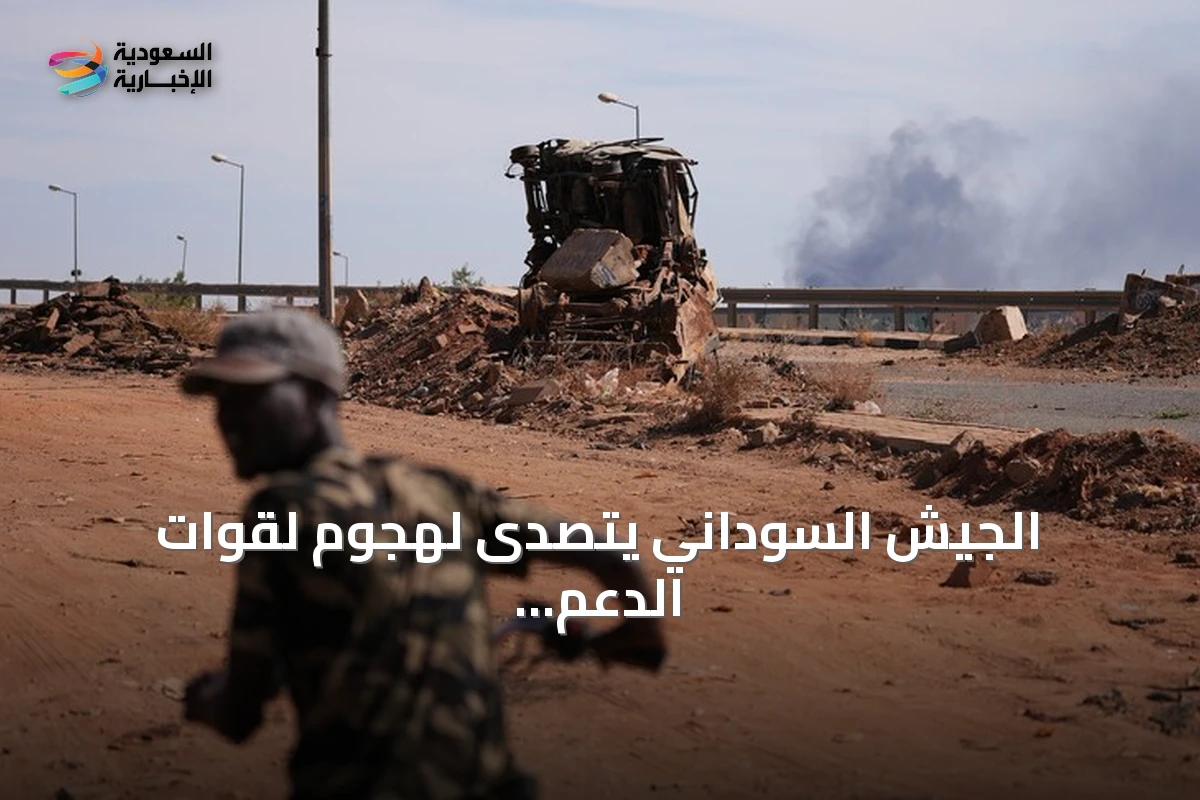
On the war, al-Burhan said the army would not accept an “incomplete peace” that returned the Rapid Support Forces (RSF), led by Mohamed Hamdan Dagalo, known as Hemedti, and its supporters to power.
He added that the path to peace must begin with RSF forces withdrawing from cities and gathering in designated areas, followed by the return of displaced people and refugees to their homes, with discussions then turning to the status of RSF fighters and possible integration into regular forces.
AU visit and political pushback
An African Union delegation from the Peace and Security Council is expected to arrive in Khartoum on Saturday for a three-day visit, its second since the war began, and it is headed by Algeria’s representative as Algeria holds the council’s rotating presidency for August.
Al Jazeera reported that the delegation includes representatives of the council’s 15 member states and would hold talks with al-Burhan, Prime Minister Kamil Idris, political groups and civil society organisations.

In contrast, Sudan Tribune framed the dialogue call as legitimizing the army’s authority, with Babiker Faisal telling the outlet that the dialogue in its current form will not contribute to stopping the war or putting Sudan on a path to civil transformation.
Khaled Omar Yousif, a leader in the Stoicism Alliance, said in a Facebook post that “Burhan wants the chair of power at any cost,” and Sudan Tribune reported that he argued military rule in Sudan effectively means the dominance of the Islamic movement.
Conditions for peace and stakes
Across multiple outlets, al-Burhan tied any settlement to RSF disarmament and removal from political power, saying the army remained determined to defeat the RSF while remaining open to “genuine” peace initiatives that do not return “the criminals and killers” to power.
“does not mean turning a blind eye to any genuine initiative for peace”
Anadolu Ajansı reported that Burhan said the army’s determination to fight and defeat the RSF “does not mean turning a blind eye to any genuine initiative for peace,” and he reiterated that the path to peace begins with the RSF laying down its arms and gathering in designated areas.
Al Jazeera also reported that al-Burhan said the state would grant legal protection for opinions and positions expressed by participants, and that statements made during dialogue sessions would not be used as grounds for legal prosecution.
At the same time, Sudan Tribune reported that the Stoicism Alliance spokesperson Baqri al-Jak said the agenda Burhan proposed focuses on completing governance institutions and does not aim to halt the war or prioritize humanitarian aid and civilian protection.
The stakes in the sources are explicit: the war has killed tens of thousands of people and displaced nearly 13 million others, and the dialogue’s design—who organizes it, who participates, and what happens to criminal proceedings—sits alongside Burhan’s insistence that peace must start with RSF withdrawal from cities and the return of displaced people and refugees.