Technology and Science28 July, 20263 min read
Chicxulub Impact Dust Trapped Heat, Triggering Fires and Killing Exposed Cretaceous Animals
This article is an automated aggregation of coverage from news outlets. Our editorials offer in-depth analysis curated by the NewsCord team.
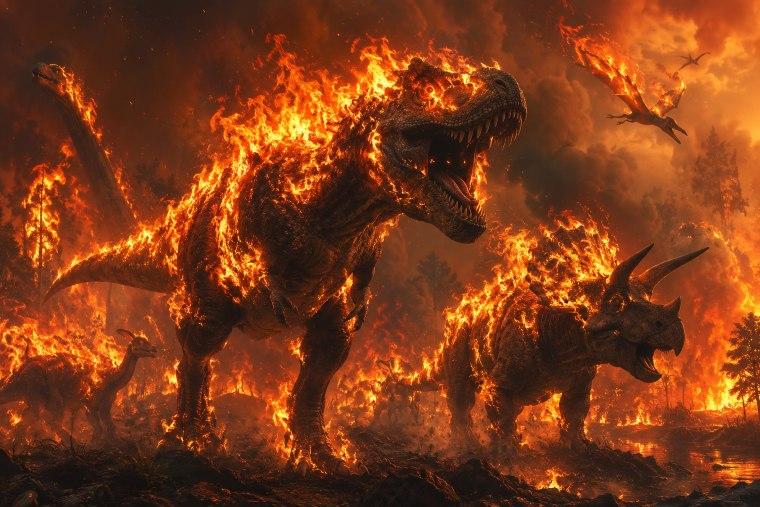
Chicxulub dust layer amplified surface heat, igniting forests and frying exposed fauna within hours. Planet-wide heat and global fires followed the Chicxulub impact.
Dust turns heat lethal
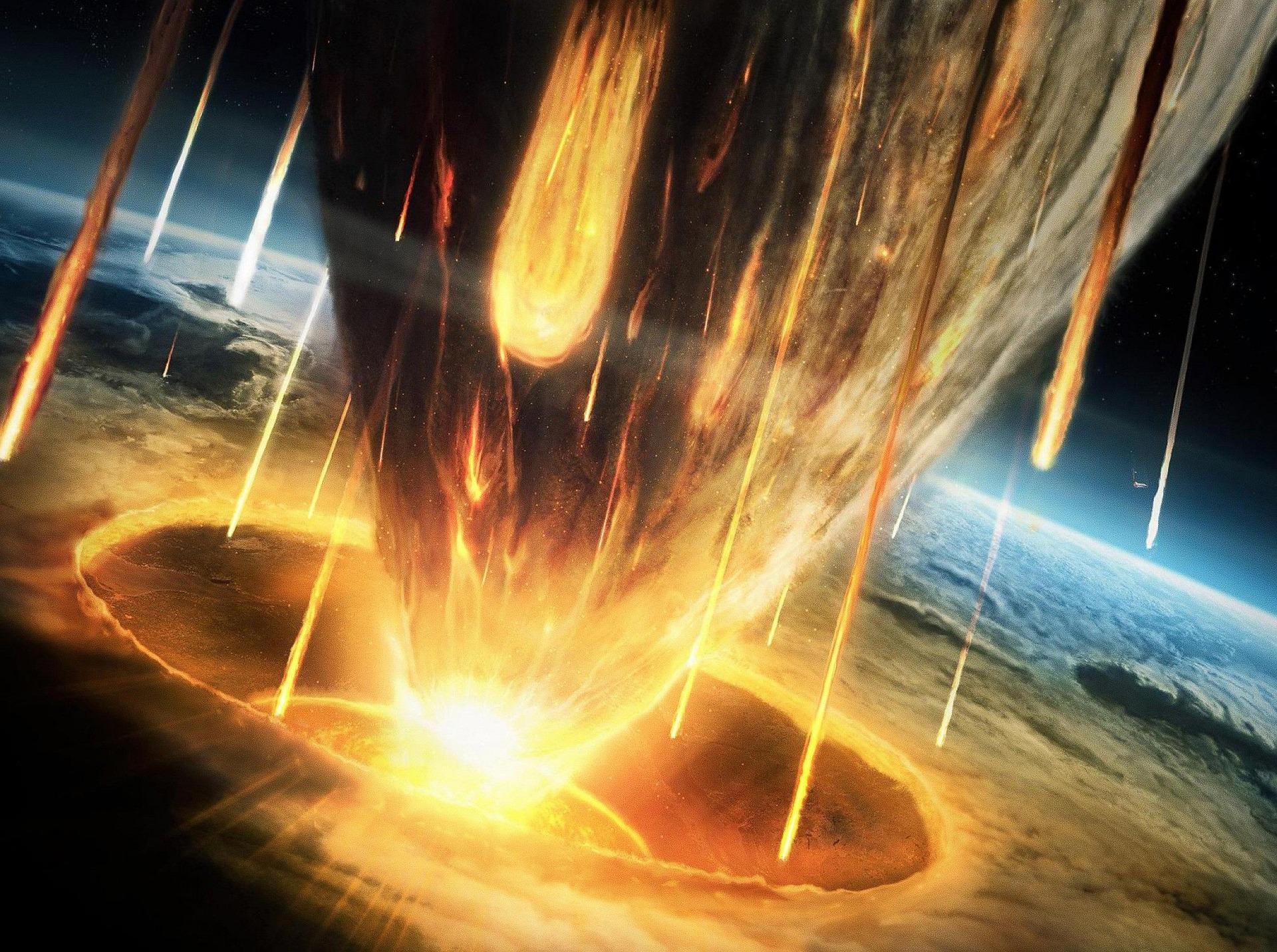
A new analysis of the Chicxulub asteroid impact argues that fine impact dust trapped intense heat near Earth’s surface within the first hour or two, helping trigger widespread fires and killing exposed animals. The study, published in the Journal of Geophysical Research: Biogeosciences, says the dust acted like a lid, with Brandon Johnson warning, “We’re in the realm where we might be essentially killing off everything within that first hour or two.” Johnson’s team estimates that more than 1,000 cubic kilometers of material entered the expanding vapor plume, and it calculates that roughly 1.6 × 10^15 kilograms of fine dust could have spread globally.
“‘We're in the realm where we might be essentially killing off everything within that first hour or two,’ Johnson said.”
In that model, the dust cloud’s optical depth was at least 620, blocking almost all upward thermal radiation from escaping into space and forcing the heat back down to the ground. The same work estimates the surface heating increased by about 3.5 times compared with spherules alone, and it says exposed Cretaceous organisms may have received 17 times the thermal radiation dose considered completely lethal to humans.
Who survived, and why
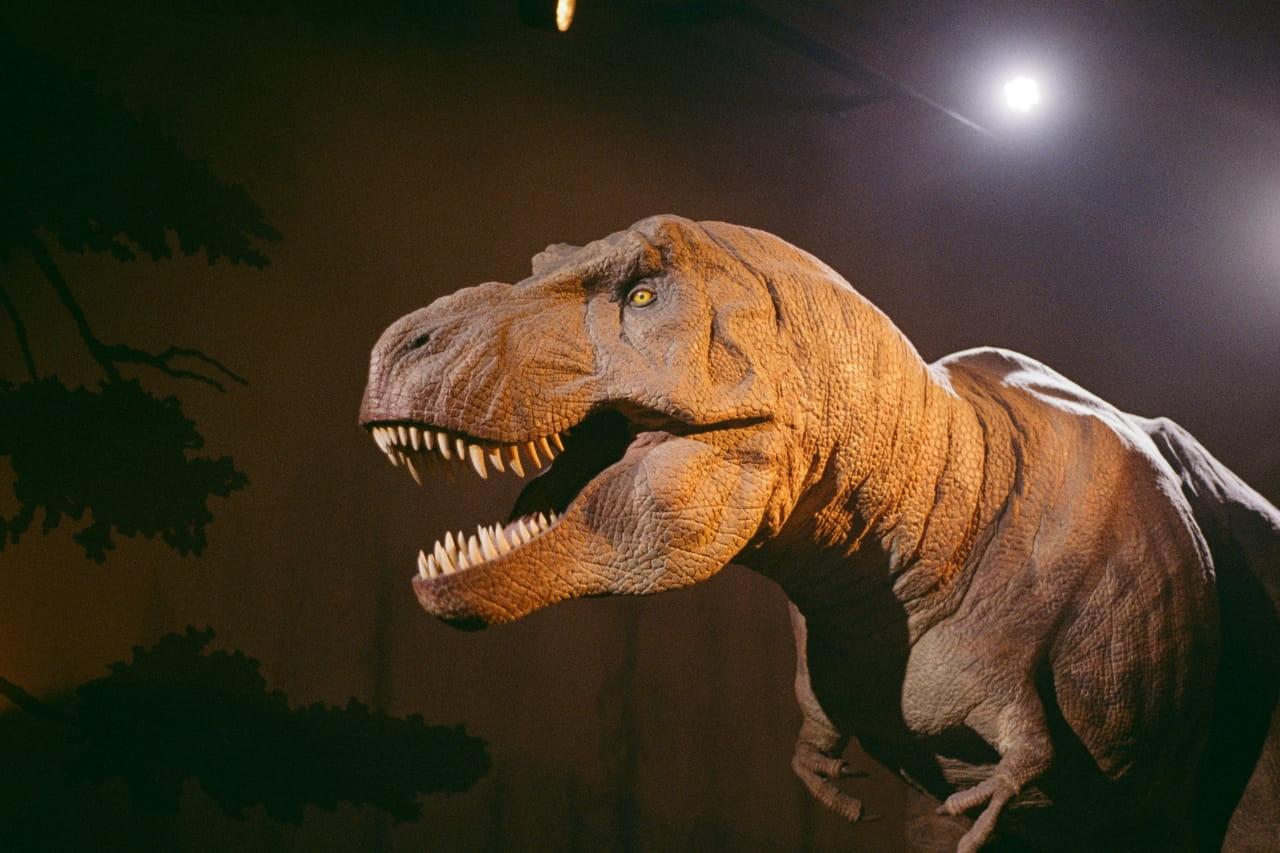
The research links the immediate heat pulse to patterns in the fossil record, arguing that animals able to hide underground, swim, or shelter in another way were more likely to survive the end-Cretaceous catastrophe. It notes that burrows would have insulated small animals from the atmospheric heat pulse, while water could have protected swimmers and plants could have survived through buried seeds and roots. The study says birds were the only dinosaur group to survive, and it adds that birds included burrow-nesters and swimmers, giving at least some species access to shelter.
Alexandria Johnson, a Purdue cloud scientist and study co-author, compared the dust layer to a lid on a pot and said, “We found that the cloud layer was so impermeable that it trapped almost all of the heat from the falling spherules near the surface of the planet.” The work also raises a second danger beyond burns, saying the particles were about 2.5 micrometers wide—similar in size to smoke particles that threaten human health today—and could enter lungs and bloodstreams.
Debate and next evidence
The new dust-and-heat mechanism is presented as a way to reconcile competing explanations for dinosaur extinction, with the study arguing that both immediate heat and later darkness could have come from the same dust cloud. The Brighter Side of News describes how, after trapping heat, the same dust may have blocked sunlight and caused years of darkness and global cold, while Archaeology News Online Magazine says the dust likely blocked sunlight for years or even decades. Brandon Johnson frames the dust’s role as support for the impact extinction theory, saying, “This work of ours supports this idea that it really is the impact that was devastating to terrestrial life and caused the mass extinction.”
“‘This work of ours supports this idea that it really is the impact that was devastating to terrestrial life and caused the mass extinction,’ argued Johnson.”
At the same time, the sources emphasize that scientists still debate what caused the greatest loss of life, with Archaeology News Online Magazine stating that “Scientists still debate which event caused the greatest loss of life.” Researchers point to limits in the geological record, including the idea that evidence for widespread fires is strongest in North America, where rocks from the extinction boundary preserve signs of intense burning.