China · 13 August, 2026 · 3 min read
China Offers Colombia Earthquake Relief After 7.4 Quake, Xi Sends Condolences to Abelardo de la Espriella
China offers Colombia earthquake relief after magnitude-7.4 quake. Beijing requests a relief-coordinator; ambassador’s coordination request remains unanswered.
Whether Colombia accepts quake aid as politicised vs qualification-based.
10 of 12 outlets skipped it: miramar, Florida accepting donations and listing specific drop-off locations.
11outlets compared
Same story, two versions
tap a side to read it in full
Türkiye Today
“rejected accusations that it turned away earthquake assistance for ideological reasons”Read the original ↗
PBS
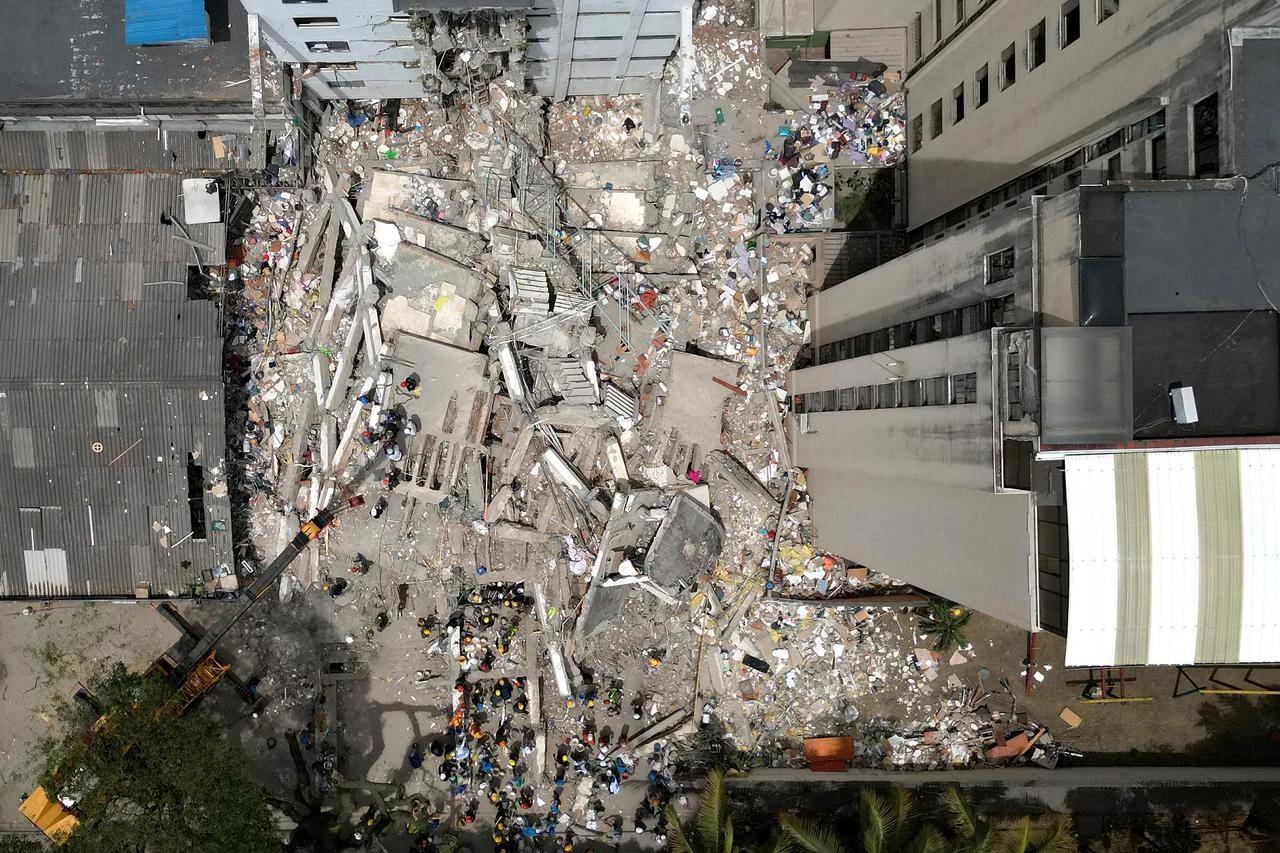
“Teams continued to pick through the rubble in the hardest-hit cities of Cali, Pereira, Manizales and Quibdo”Read the original ↗
Türkiye Today foregrounds ideology accusations; DW and PBS focus on rescue logistics
China pledges quake help
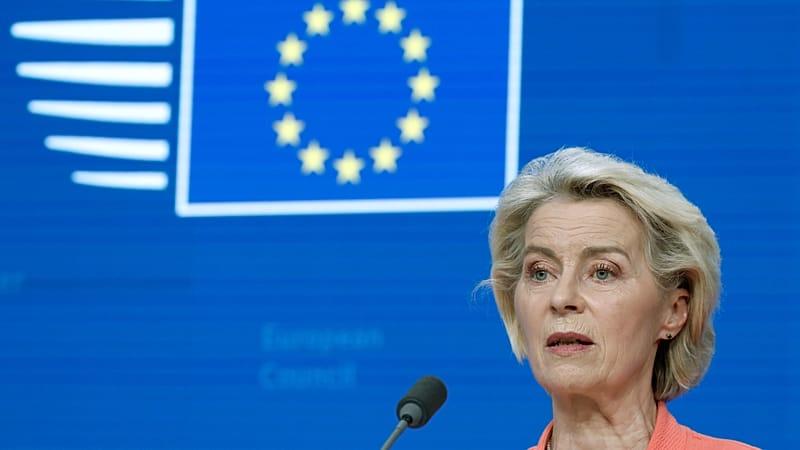
China offered relief after a 7.4-magnitude earthquake struck Colombia on Monday, with Beijing saying it would act “in suitable ways” in line with what Colombia requested. At a briefing in Beijing, Foreign ministry spokesman Guo Jiakun said “no Chinese nationals had been reported killed or injured in the disaster,” and that the embassy in Bogota was “working to verify the safety of Chinese citizens in the affected areas”. Guo added that Beijing was advising people to guard against secondary hazards from aftershocks, while President Xi Jinping sent a message of condolences on Tuesday to Colombian President Abelardo de la Espriella.
The South China Morning Post reported that Xi told the Colombian leader that his people would “pull together and recover and rebuild soon” under the new government, as the quake response strained Colombia’s new administration. The PBS/AP account said Colombia’s newly inaugurated president, Abelardo de la Espriella, faced mounting pressure as forensics authorities said more than 227 people died in the earthquake that struck the country’s west on Monday.P
Aid coordination and limits
Colombia’s government rejected accusations that it turned away earthquake assistance for ideological reasons, saying it had formally accepted rescue teams from only four countries: Ecuador, El Salvador, the United States and Israel. Foreign Minister Omar Bula said, “We have been working around the clock to coordinate offers of humanitarian aid,” and argued that Colombia bore responsibility for organizing assistance rather than accepting it “indiscriminately.” The Türkiye Today report said Colombia pointed to a “100-tonne shipment from El Salvador” and “a separate flight from Mexico carrying 58.5 tonnes” bound for the hardest-hit areas, while David Tamayo defended restrictions as qualification rather than politics.T
Tamayo said, “We will only be accepting support from these countries,” and added that the approved teams were “entirely self-sufficient” and would “not require additional resources from municipal authorities.” In parallel, the PBS/AP account described how rescue teams continued searching in hardest-hit cities including Cali, Pereira, Manizales and Quibdo as aid agencies said the first 48 to 72 hours were crucial for retrieving survivors.P
What’s at stake next
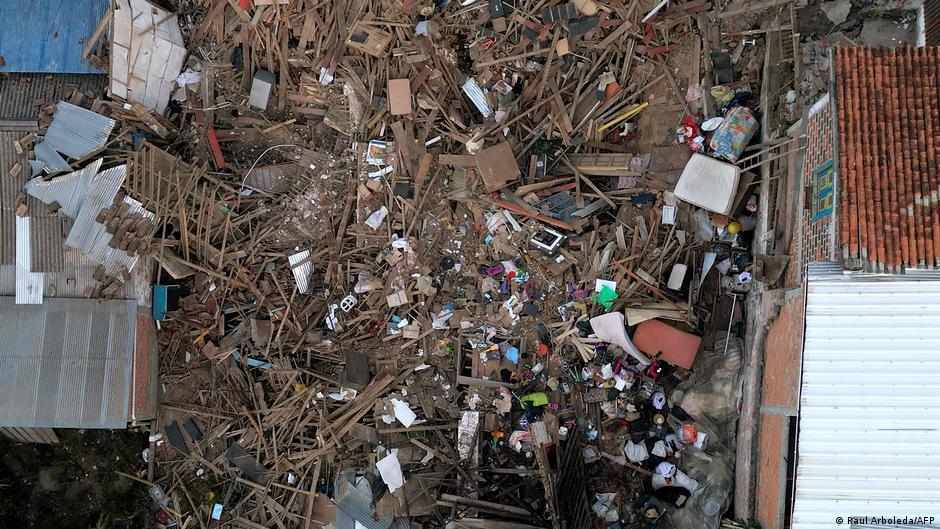
As rescue efforts continued, Colombia declared a national emergency and began three days of mourning for victims, while the DW report said the crucial rescue window was narrowing more than 48 hours after the disaster. DW said “Rescue workers continue search” as the newly inaugurated president pledged support for affected communities, and it noted that more than 200 people had died with the toll expected to climb. The South China Morning Post said China’s International Development Cooperation Agency was “following the disaster closely” and would provide support “in appropriate ways based on Colombian requests,” with assistance described as “within China’s capacity”.
In Colombia, the PBS/AP account said teams continued picking through rubble in Cali, Pereira, Manizales and Quibdo, and it quoted Cali mayor Alejandro Eder warning, “The next 20 hours are the most critical to find and rescue people alive.” PThe PBS/AP report also said Colombia’s geological service documented 130 aftershocks since the quake, while the Norwegian Refugee Council’s Giovanni Rizzo said the disaster “compounds an already severe humanitarian situation” and needs “increased support for the humanitarian response.”P