Iran21 April, 20266 min read
Chris Murphy Faces Backlash After “Awesome” Post On Pentagon Denial Of 26 Iranian Ships
This article is an automated aggregation of coverage from news outlets. Our editorials offer in-depth analysis curated by the NewsCord team.
Murphy faced widespread backlash for an 'awesome' post about Iran ships evading blockade. Lloyd's List reported 26 Iranian ships bypassed the U.S. blockade.

Fox News was read line by line by the Watchdog: 6.1. See the score →
Murphy’s “Awesome” Post
Sen. Chris Murphy of Connecticut ignited a political firestorm after he posted “Awesome” on X in response to a disputed report that more than two dozen Iranian vessels had slipped through the ongoing U.S. blockade.
“Murphy replied to the report with a single word: ‘Awesome.’”
The New York Post says Murphy “sparked a firestorm” when he “posted on X” after a report from the shipping journal Lloyd’s List claimed “at least 26 so-called ‘shadow fleet’ vessels had eluded the American shipping siege.”
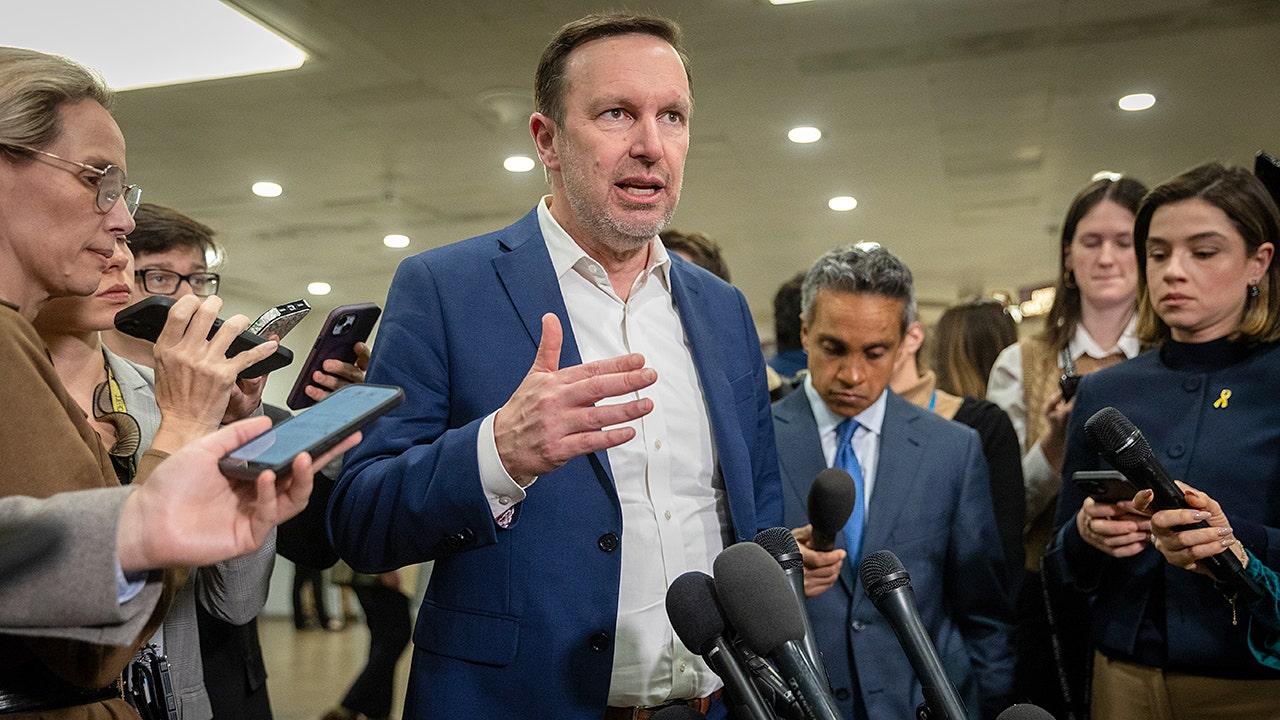
The Hill reports that the Pentagon denied the Lloyd’s List claim of “26 Iranian shipsbypassingthe U.S. naval blockade in the Strait of Hormuz,” and ties that denial directly to Murphy’s one-word post “awesome.”
Fox News describes the same sequence: Murphy replied “with a single word: ‘Awesome’” after the report said at least 26 Iran-linked vessels had transited past the blockade.
In the New York Post account, Murphy later insisted he was “merely being sarcastic,” writing “Ok Twitter, I can’t believe I need to clarify this but obviously Trump’s bungled mismanagement of this war is not ‘awesome,’” and adding, “My tweet was something called ‘sarcasm.’”
The Washington Examiner similarly says Murphy’s original “awesome” post drew backlash and that he clarified it was “something called ‘sarcasm,’” after criticism.
Across outlets, the core dispute centers on whether “26” Iranian “shadow fleet” vessels actually breached the blockade, with the Pentagon calling the report “false.”
Pentagon Denial and Blockade
The Pentagon’s response was categorical, with Sean Parnell denying the Lloyd’s List report and directly linking the denial to Murphy’s “awesome” post.
The Hill quotes Parnell saying, “First of all this is false,” and also saying, “Second, a Dem senator cheering on the number one state sponsor of terror is shameful.”
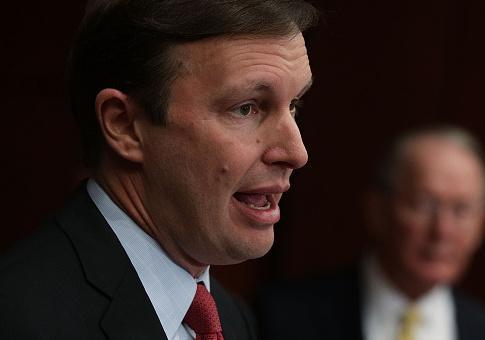
In the New York Post, Parnell is described as denying the Lloyd’s List report as “false” and slamming Murphy’s comment as “shameful” in a social media response.
Fox News similarly reports that the Pentagon denied the claim, and it adds that the blockade is “primarily enforced by U.S. naval and air power in the Gulf of Oman and the Arabian Sea.”
The Hill provides additional operational detail, saying U.S. Central Command “said Tuesday that U.S. forces have directed 28 vessels to turn around or return to port since the blockade was enforced.”
The freebeacon account adds that U.S. Central Command said U.S. forces “have directed 28 vessels to turn around or return to port” since the start of the blockade, and it describes a specific boarding operation on Sunday involving the Iran-flagged cargo ship Touska.
Together, the sources portray a dispute over whether “26” ships “passed the blockade line” while the Pentagon and U.S. command emphasize turnarounds and enforcement actions.
What Lloyd’s List Claimed
While the Pentagon denied the breach, the underlying Lloyd’s List findings described a pattern of movement that the sources say was tied to the blockade’s scope and timing.
The Hill reports that Lloyd’s List said the “26 ships, including at least 11 oil and gas tankers laden with Iranian cargo, ‘passed the blockade line since the US moved to stop traffic to andfrom Iranian ports on April 13.’”
It further says Lloyd’s List stated, “Almost half of the 26 tankers passed the blockade before the US widened its terms to include Iranian crude and product under the ‘contraband’ category,” and that “12 shadow fleet vessels breached the US blockade after the terms were widened on April 16.”
The Hill also notes that the Wall Street Journal reported “more than two dozen Iran-linked ships carrying oil and gas have evaded the U.S. blockade,” citing Lloyd’s List and shipping brokers.
In the freebeacon account, Murphy’s original “awesome” response is traced to a post from Tehran-tied analyst Ali Vaez, which the article says claimed “more than two dozen ‘Iranian shadow fleet vessels’ had bypassed the U.S. blockade in the Persian Gulf.”
Fox News adds a different framing, saying there is “no evidence” that “26 vessels from Iran’s shadow fleet were able to make it past the U.S. blockade,” and it quotes Trey Yingst saying, “The shadow fleet is a very serious problem. It is not getting past the U.S. blockade, according to all reports and information that we have from the region.”
The dispute is therefore not only about the number “26,” but also about whether the “shadow fleet” traffic was detected as “passed the blockade line” and whether any vessels were actually able to proceed to final destinations.
Backlash and Clarifications
The backlash against Murphy came from multiple directions, with Republican lawmakers and right-leaning commentators treating the “awesome” post as a sign of sympathy for Iran.
The New York Post reports that Sen. Rick Scott (R-Fla.) blasted Murphy as an “embarrassment to the Senate” and accused him of “rooting for enemy terrorists who target and kill Americans,” adding, “He should be stripped of his assignment to the Foreign Relations Committee NOW!”
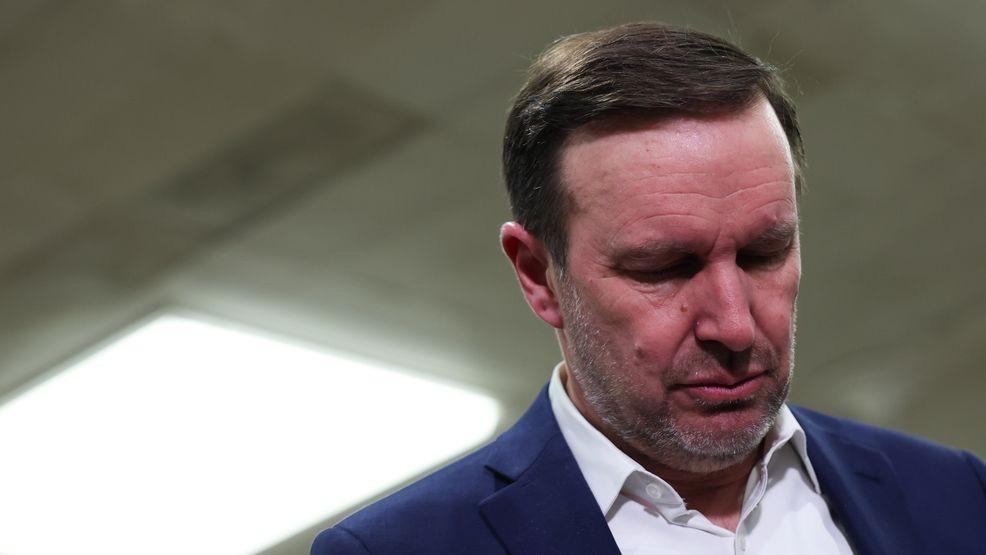
The New York Post also quotes the Senate GOP X account saying, “Go Iran!’ exclaimed the United States Senator,” and it includes other social media reactions such as Stephen L. Miller’s “You’re a traitor. POS,” and Laura Loomer’s “You should be removed from the Senate. You are a national security threat.”
Murphy’s own clarifications were consistent across outlets, with the New York Post quoting his follow-up: “Ok Twitter, I can’t believe I need to clarify this but obviously Trump’s bungled mismanagement of this war is not ‘awesome,’” and “My tweet was something called ‘sarcasm.’”
Fox News adds that Murphy told the network, “I probably should give up on sarcasm on Twitter,” and it quotes him saying, “Twitter has become kind of a cesspool.”
The freebeacon account says Murphy’s original tweet “garnered 2 million views” and that after criticism he wrote, “Ok Twitter, I can’t believe I need to clarify this but obviously Trump’s bungled mismanagement of this war is not ‘awesome’,” and later boosted a post from Adam Kinzinger accusing critics of “pretending to be outraged about [a] clearly sarcastic tweet.”
Jewish Insider reports that a spokesperson for Murphy clarified to the outlet, “The tweet was sarcasm.”
Diplomacy and Global Stakes
Beyond the social media controversy, the sources connect the blockade dispute to immediate diplomatic stakes and broader economic risk tied to the Strait of Hormuz. The New York Post says Trump began imposing a blockade on Iran “last week” in response to the Islamic Republic “wreaking havoc on the Strait of Hormuz,” describing it as “a critical chokepoint through which roughly one-fifth of the world’s oil flows each year.” The Hill reports that the blockade is a “key hurdle in talks with Iran over an extension of the current ceasefire, which is set to expire on Wednesday evening,” and it states that Trump “won’t lift the blockade until a long-term peace deal is reached with Iran.”
It also says Tehran “won’t allow commercial traffic through the Hormuz Strait until it’s lifted,” and that this dynamic “threatens to further increase energy prices globally.” The Hill further adds that China’s president Xi Jinping “for the first on Tuesday advocated for the shipping route to be immediately reopened,” and it says Xi called for “an immediate and comprehensive ceasefire and cessation of hostilities in the Middle East and Gulf region,” while also saying normal passage through the Strait of Hormuz “serves the common interest of regional countries and the international community,” as reported by Xinhua.

The Washington Examiner adds that Murphy has pushed for congressional limits, saying that in March 2026 he introduced “a War Powers Resolution to force the removal of U.S. forces from hostilities against Iran that had not been authorized by Congress,” and that the measure “ultimately failed in a near party-line vote.” Meanwhile, the freebeacon account describes enforcement actions that could shape the next phase of the blockade, including that U.S. forces boarded the Touska ship after it attempted to breach the blockade and that it “remains in U.S. custody.”