Crypto27 July, 20262 min read
CoinDesk Explains Perpetual Swaps, Or “Perps,” Dominating Crypto Trading Volume
This article is an automated aggregation of coverage from news outlets. Our editorials offer in-depth analysis curated by the NewsCord team.
Perpetual swaps are the dominant crypto trading instrument, handling $40–50 trillion annually. They provide leveraged exposure to price without owning the underlying asset.
Perps and funding
Perpetual swaps, also called perpetual futures or “perps” for short, are the dominant trading instrument in the crypto market, processing an estimated $40 to 50 trillion a year in volume. CoinDesk describes how perps eliminate expiry by creating a derivative contract that tracks the price of an asset indefinitely, with “no settlement date, no rolling and no expiry.” To keep the perp price aligned with spot, CoinDesk says “Every eight hours, a payment is exchanged between traders on opposite sides of the market,” with the funding rate calculated from how far the perpetual swap price deviated from spot over the preceding eight-hour window.
When the perp trades above spot, CoinDesk says long traders pay short traders, and when it trades below spot, the payment runs the other way, with the exchange taking no cut. CoinDesk adds that this funding-rate design creates a “self-correcting equilibrium” by making it expensive to hold positions when funding rates are substantial, pulling prices back toward spot.

Leverage and liquidation
CoinDesk frames leverage as another defining feature of perpetual swaps, saying most exchanges allow traders to control positions significantly larger than their deposited capital. At BitMEX in its prime, CoinDesk says “leverage of up to 100 times was available,” meaning a 1% move in Bitcoin’s price would produce a 100% gain or loss on a fully leveraged position. To manage the risk created by that leverage, CoinDesk says perpetual swap platforms use automated liquidation systems that close positions if losses approach the value of deposited margin.
CoinDesk links the liquidation engine to competition, saying “The speed and reliability of that liquidation engine became a key competitive differentiator in the early years of the market.” In parallel, Criptotendencias says Coinbase began offering perpetual futures in the U.S. through a derivatives platform regulated by the CFTC, with contracts nano of Bitcoin and Ethereum that replicate the price spot, incorporate leverage, and operate 24 hours.
U.S. rollout and legal fight
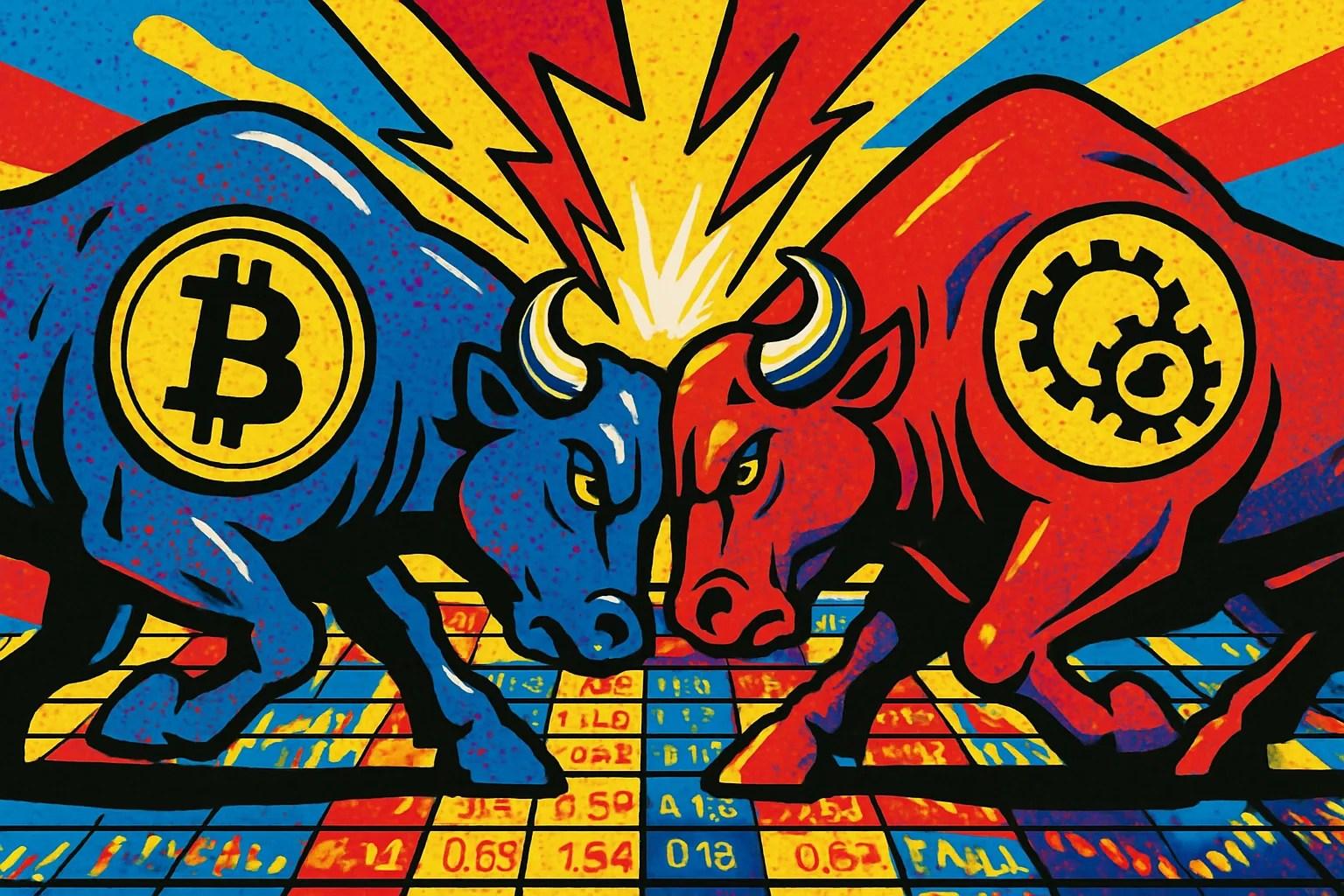
Criptotendencias says the launch moves to the U.S. a product that, according to the industry, concentrates “alrededor del 90% de la operativa apalancada en criptomonedas” on offshore platforms. It adds that with CFTC approval, Coinbase opens the door for U.S. traders to access the same mechanics “dentro de un marco supervisado,” while describing the contracts as “contratos de futuros sin fecha de vencimiento.” Criptotendencias also reports that CME Group filed a legal action to slow the advance of these products, describing the dispute as a clash between a traditional futures giant and a crypto-native platform seeking market share.
The article says CME Group announced its own plan for trading futures and options on cryptocurrencies 24 hours, signaling that continuous trading is spreading into traditional derivatives venues. CoinDesk concludes that what began as a workaround for crypto futures limitations has become a major product, saying “What began as a workaround for the limitations of crypto futures has become one of the most traded financial products in the world.”