Climateupdated 2h ago3 min read
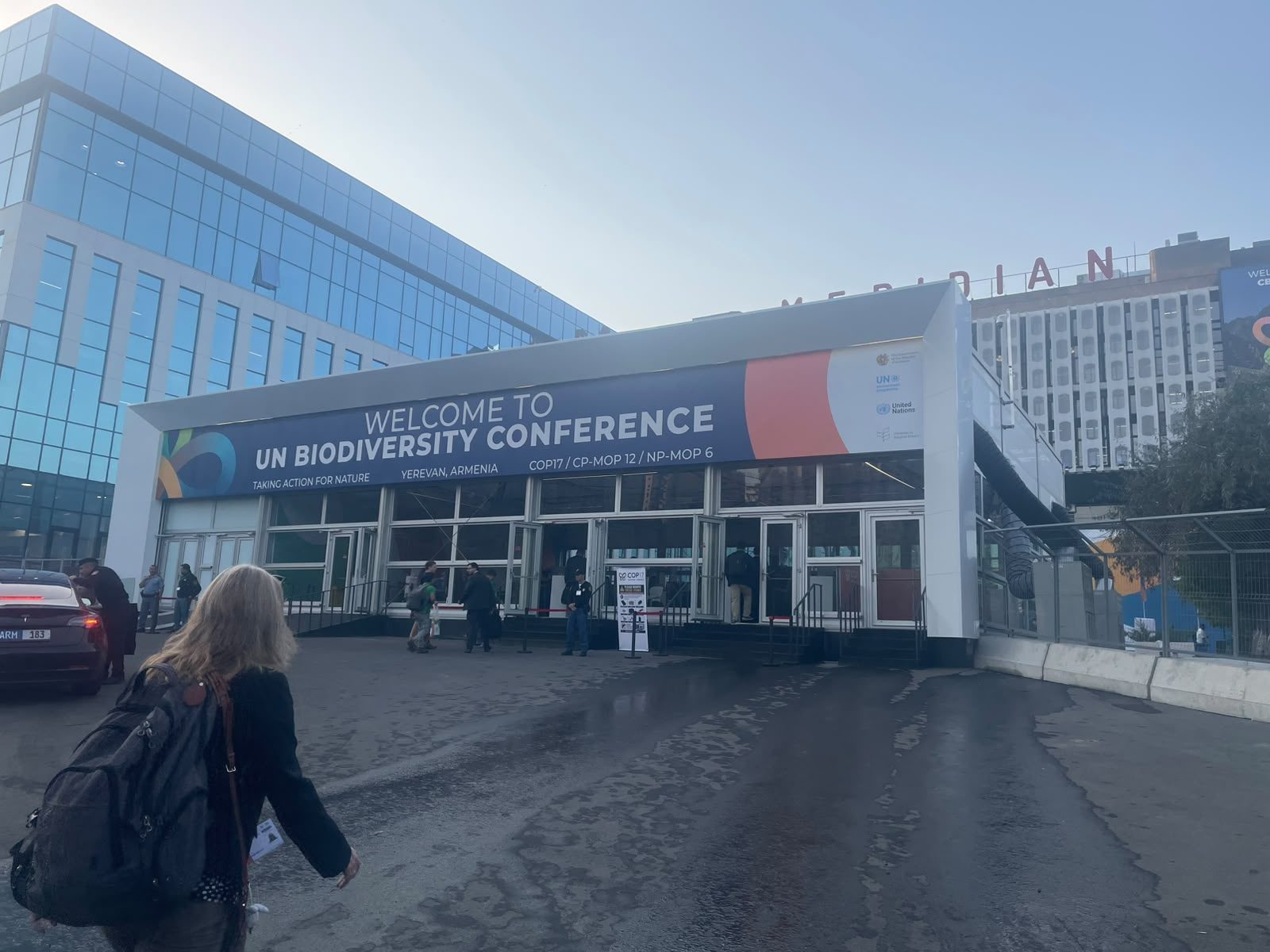
Archive photo · 19 October 2026COP17 In Yerevan Reaches Global Review, Warns Nature Loss Targets Won’t Be Met
2 Other1 Asian1 Western Alternative1 Western MainstreamPhoto: Mammysou17, CC BY-SA 4.0 · Cropped for layout
This article is an automated aggregation of coverage from news outlets. Our editorials offer in-depth analysis curated by the NewsCord team.
About $1.8 billion in new nature-finance announcements were made, including $500 million from the Netherlands. Overall biodiversity spending remains far below the $200 billion-per-year Kunming-Montreal target.
Save coverage image
5 outlets told this the same way.
Outlets did split on UK Home Office Cancels Andreas Malm’s ETA Before London Panel With Palestine Action →
COP17 finance deadlock
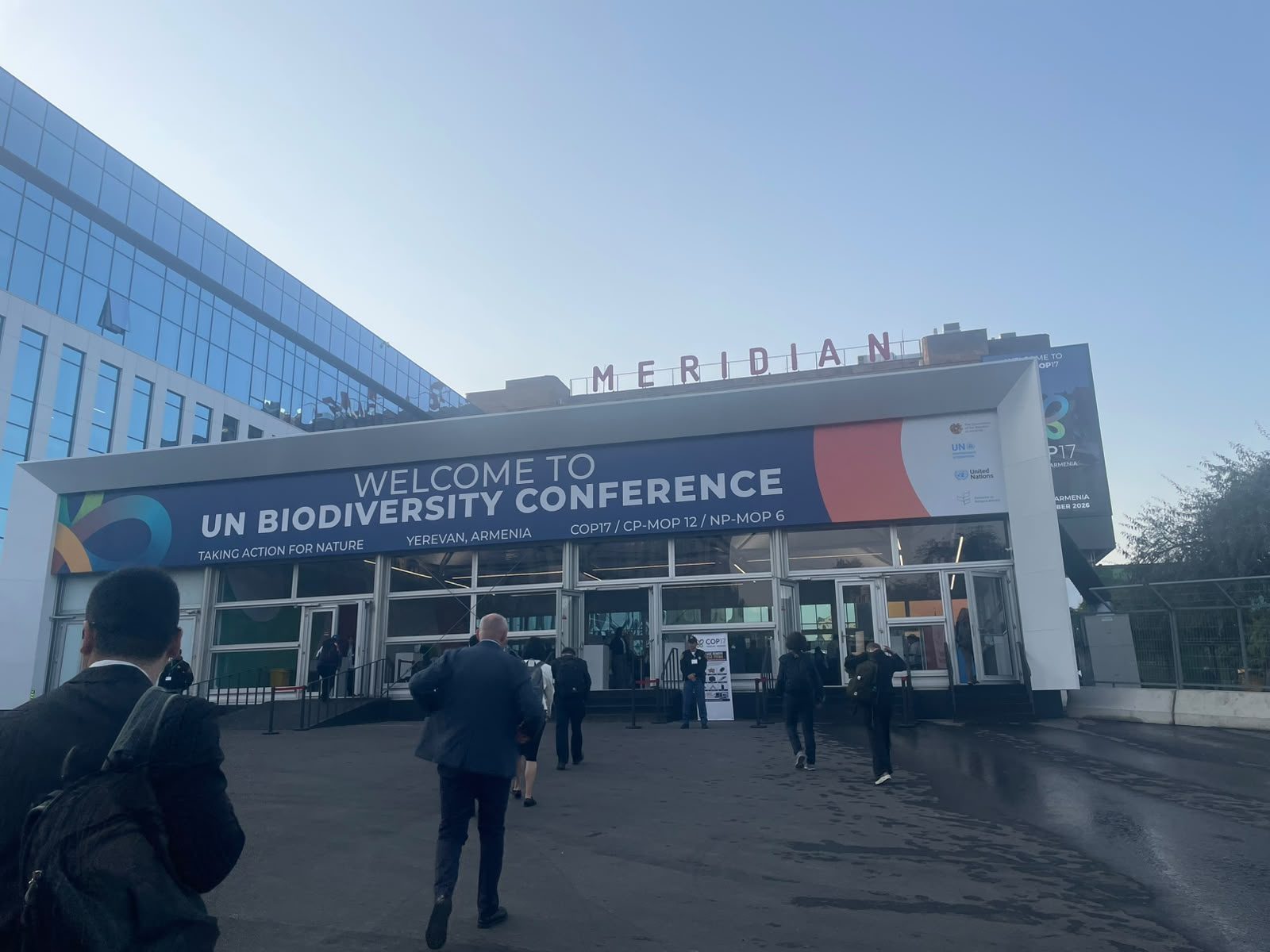
COP17 in Yerevan, Armenia, reached a halfway point in the Kunming-Montreal Global Biodiversity Framework as countries completed a first “global review” of progress toward reversing nature loss by 2030. The global review “notes with deep concern” that, unless action is “rapidly accelerated”, the goal to reverse nature loss and meet a set of 23 targets by 2030 “will not be achieved”. Delegates agreed that non-donors that want to contribute can “signal interest” before COP18, after developed countries failed to meet a target to significantly ramp up nature finance over the last few years.
The COP17 president Hambardzum Matevosyan said the conference had achieved more than expected, telling journalists in the early hours of Saturday that “we've achieved more than we could've expected” given the “importance” of the decisions being taken. The negotiations also turned on finance numbers including a developed-country commitment to raise “at least $20bn a year by 2025” for nature and a GBF target to “increase resources from all sources” to “at least” $200bn per year by 2030.
Donor base and harmful subsidies
COP17 talks in Yerevan focused on how to finance conservation as governments struggled to advance amid a deadlock over the controversial subject of how to finance the boost in conservation measures needed. The negotiations centered on calls to “broaden the contributor base”, with the Climate Watch describing disputes over who should finance biodiversity conservation and how resources should reach developing countries. The news outlet also reported that governments previously committed to eliminating, phasing out or reforming harmful incentives by at least $500 billion annually by 2030, while negotiators remained divided over how to implement that commitment.
Carbon Brief said countries agreed on a “super, mega-delicate” text hinging on “political compromises”, with no major winner or loser, and it described criteria for a new, permanent financial mechanism after 2030 being deferred to COP18. The Climate Watch said the summit’s first global review of progress toward the 2030 biodiversity targets also remained unresolved, even as the framework contains 23 targets and includes protecting at least 30 percent of the world’s land and seas.
Implementation gaps and next steps
COP17 produced new nature-finance announcements of roughly $1.8 billion, including $500 million from the Netherlands to the Tropical Forest Forever Facility, but the news outlet said overall spending remains far short of the $200 billion per year target in the Kunming-Montreal framework. The Climate Home News account said a recent UN progress report found the world is off track to meet 22 out of 23 global targets aimed at reversing species loss and protecting 30% of land and seas by 2030. The Climate Watch reported that the summit was expected to continue until Saturday afternoon, October 31, after nearly two weeks of negotiations failed to settle several major issues, with a head of delegation from a least developed country saying nearly half of the decisions under negotiation remained unfinished.
Carbon Brief said countries voted for Quito, Ecuador, to host the COP18 nature talks, which will be held in 2028, and it described the Yerevan talks as a contrast to COP16’s quorum loss that forced talks to resume in Rome months later. The Climate Watch said the Cali Fund, established to share benefits arising from the commercial use of digital sequence information on genetic resources, had struggled to attract contributions, with two companies contributing a combined $6,000 since its launch in February 2025.