Global Politics09 August, 20263 min read
Dawn Crackdown Recovers 390 Billion Dinars, $141 Million, 500kg Gold for Iraq
This article is an automated aggregation of coverage from news outlets. Our editorials offer in-depth analysis curated by the NewsCord team.
Dawn Crackdown recovered 390 billion dinars, $141 million, and 500 kg gold. Shafaq News puts Dawn Crackdown at about 482.6 billion dinars ($371.6M).
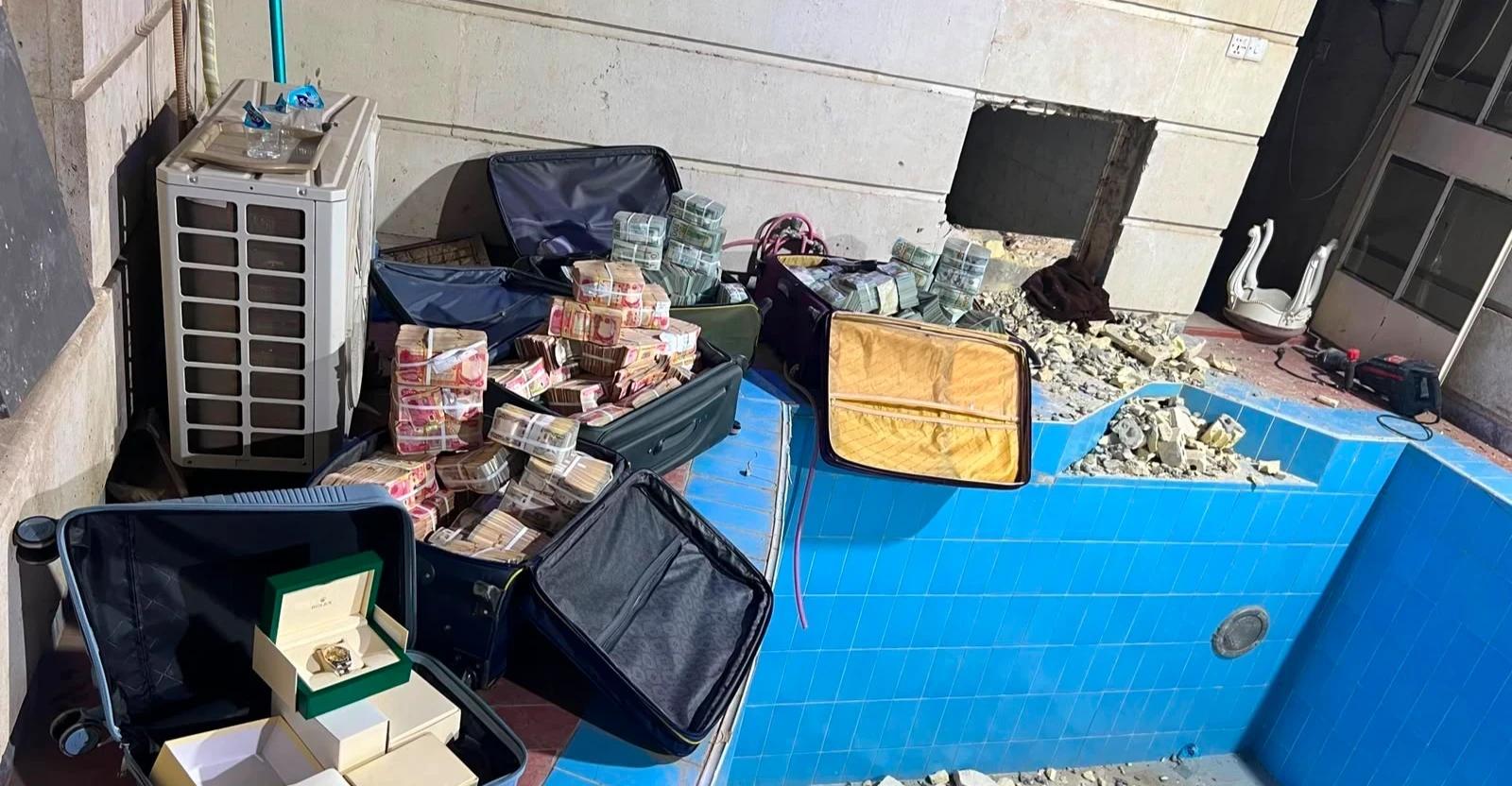
Dawn Crackdown Returns Assets
Iraq’s anti-corruption campaign “Dawn Crackdown” has recovered 390 billion Iraqi dinars, $141 million and 500 kilograms of gold and returned the assets to the state treasury, according to the Eco Iraq Observatory cited by باسنیوز. The campaign was launched on June 28 under Prime Minister Ali Al-Zaidi’s direction, with security forces and judicial authorities targeting politicians, senior government officials, business figures and others suspected of illicit enrichment, embezzlement and misuse of public funds. Shafaq News said the Iraqi state recovered an estimated 482.6 billion dinars ($371.6M) in stolen assets under the Dawn Crackdown, describing it as roughly equivalent to one month of salaries for the Foreign Ministry and its diplomatic staff.
Shafaq News reported the total comprises about 390.08 billion dinars ($300.3M) in cash, including $141 million converted into Iraqi currency, and half a ton of gold valued at 185,000 dinars per gram. The observatory said the recovered amount is large enough to cover the monthly salaries of employees in several Iraqi ministries and government institutions, and it estimated the sum is equivalent to about one month of salary payments at Iraq’s Foreign Ministry.

Arrests in Baghdad and Saladin
Iraqi security forces arrested former Saladin Governor Ahmed Abdullah al-Jubouri, widely known as “Abu Mazen,” in Baghdad on corruption charges, according to Iraqi News.
Iraqi News said the arrest took place in Baghdad’s Al-Qadisiyah district and that security personnel subsequently detained prominent businessman Muhammad al-Hajaf, a close associate of al-Jubouri, over allegations of illegally appropriating funds tied to public infrastructure and service contracts across Saladin Governorate.
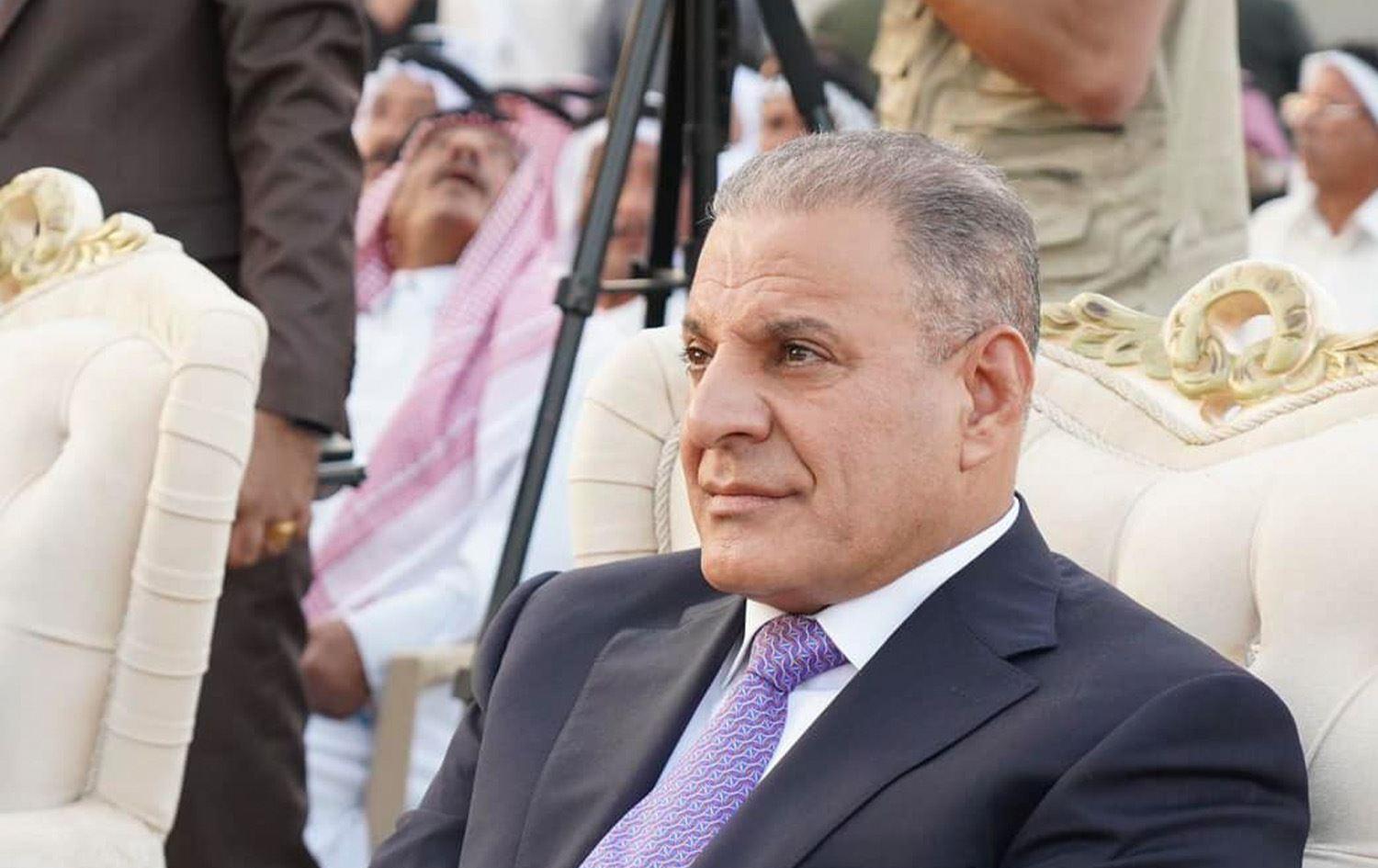
Al Jazeera reported that al-Jubouri was arrested in Baghdad on Saturday after allegedly embezzling funds from Saladin province contracts, and it said business associate Mohammed al-Hajaf was arrested in Saladin province under the same charges.
Al Jazeera also noted that the National Masses Party posted a photo of al-Jubouri on Facebook, captioned: “You can take pride in what you have done for sick and poor people.”
Iraqi News added that al-Jubouri was sanctioned by the U.S. Department of the Treasury in 2019 under the Global Magnitsky Act for official corruption and had a March 2026 domestic arrest warrant following a lawsuit filed by Azem Alliance chief Muthanna al-Samarrai.
Courts, Codes, and Next Steps
An Iraqi court issued on Sunday an arrest warrant and order to investigate former Minister of Labor and Social Affairs Ahmed Al-Asadi in connection with a complaint related to contracts and works executed during his tenure, according to الشرق للأخبار.
The judicial document dated July 29, 2026 said the warrant was issued based on Al-Asadi’s alleged direct benefit from commitments and projects he was responsible for preparing as minister, and for approving contracts that violated the law to benefit himself or others.
The document noted that the case is based on Article 319 of Iraqi Penal Code No. 111 of 1969 as amended, the article concerning exploitation by a public employee or person entrusted with public service of his power or position to gain an unlawful advantage for himself or for others.
In parallel, باسنیوز said the Federal Integrity Commission was preparing legal files aimed at recovering suspects and assets located abroad, making international asset recovery a potentially important next stage of the campaign.
باسنیوز also said Iraqi authorities were examining properties and investments allegedly linked to public funds in countries including Turkiye, Kuwait, the UAE, Lebanon, Qatar, Jordan, Oman, Iran and several European and African countries.