USA13 November, 20263 min read
Archive photo · 29 March 2008Democrats Take Control of U.S. House and Senate After Midterm Elections
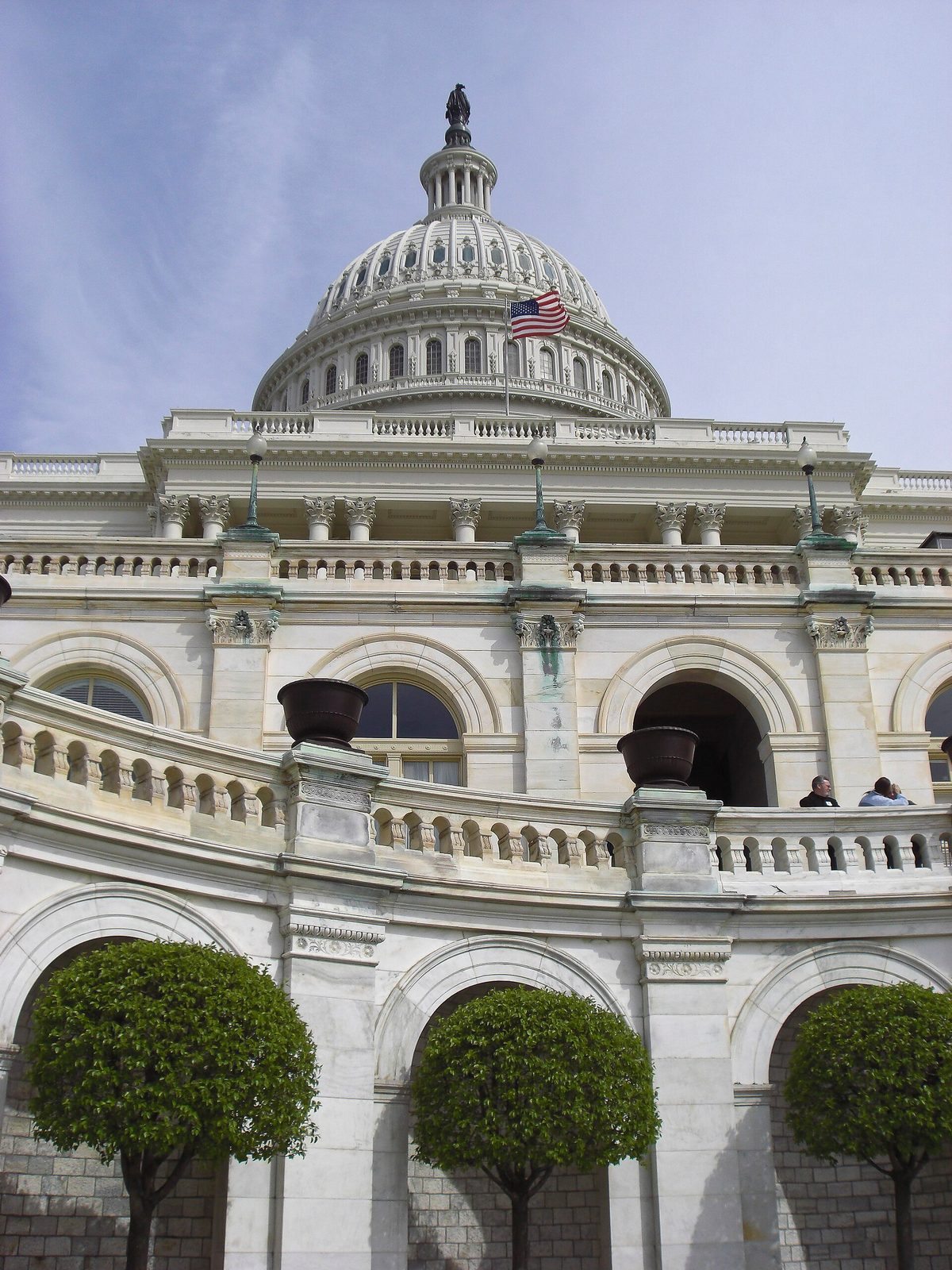
1 Latin American1 Other1 Western MainstreamPhoto: Diego Delso, CC BY-SA 3.0 · Cropped for layout
This article is an automated aggregation of coverage from news outlets. Our editorials offer in-depth analysis curated by the NewsCord team.
Democrats recapture control of both U.S. House and Senate in midterm elections. Hakeem Jeffries declares United States is back as Democrats celebrate gains.
Save coverage image
3 outlets in this story. Read their headlines below.
Outlets did split on Sen. Chris Coons Says Starshield Slowdowns Are Killing Civilians, Calls for Answers →
Midterms shift US power
Democrats took control of both the House of Representatives and the Senate after the U.S. midterm elections held on November 3, a result described as a major political setback for President Donald Trump and his Republican Party. Hakeem Jeffries, Democratic leader in the House of Representatives, announced shortly after the midterm elections that “The United States is back.” The shift in Congress is expected to intensify Congressional oversight of the Administration, complicate the passage of laws, and raise the likelihood of political clashes between the White House and Congress.
The midterm outcome also reflects broader public dissatisfaction with aspects of the Administration’s domestic and foreign policies, with economic pressures, the cost of living, governance concerns, and the ongoing confrontation with Iran listed among the issues shaping the political debate. The La Prensa analysis framed the question for allies as “Back to what, and for how long?” while describing the Democrats’ recapture of both chambers as a change that does not necessarily translate into stable foreign-policy direction.
Limits on Trump abroad
Democratic control of both chambers could hinder the Administration’s ability to secure political and legislative support for greater military intervention, even as the president retains substantial authority in foreign and national security policy. The same analysis said the result raises questions about the future direction of U.S. policy toward Israel and more generally the Middle East, with Netanyahu expected to find it increasingly difficult to rely on the same degree of political support from Washington. Vice President JD Vance published an extensive article blaming the Iran war for his party’s defeats, fueling speculation that the United States would scale back future strikes in favor of negotiations.
Biden told world leaders: “The United States is back,” only for them to ask him: “But for how long?” as allies weighed the durability of U.S. commitments. Atalayar linked the broader political shift to the ongoing confrontation involving Iran, Israel, and the United States, saying the magnitude and duration of that confrontation will depend largely on decisions by major actors and their willingness to pursue military escalation or a diplomatic path.
Allies diversify and prepare
Key regional partners of the US, including Israel, the United Arab Emirates, Saudi Arabia, Turkey, Pakistan and Egypt, will look to diversify their relationships beyond Washington following the Democrats’ sweeping victory in the midterm elections. The regional moves accelerate a push for greater foreign and defence policy autonomy from the United States, describing them as stemming from “potentially one of the most consequential changes in American Middle East policy in a generation”. Allies, especially in Europe, endured a setback during U.S. policy volatility and European countries reinvested in defense as they became increasingly wary of U.S. security guarantees.
Saudi Arabia, Turkey, and Pakistan signed the Mecca Defense Agreement in the context of countries seeking security after the U.S. destabilizing war against Iran. La Prensa concluded that even if a less unilateralist president succeeds Trump, the United States has neither the will nor the capacity to reclaim its role as undisputed world leader, citing political divisions and growing fiscal constraints alongside the rising influence of an ascendant China.