South America21 October, 20253 min read
Ecuador Releases Survivor After U.S. Kills 32 in Caribbean Drug Vessel Strike Without Evidence of Crime
This article is an automated aggregation of coverage from news outlets. Our editorials offer in-depth analysis curated by the NewsCord team.
Ecuador released the sole survivor of the U.S. strike on a submersible vessel. Ecuadorian prosecutors found no evidence the survivor committed any crime in Ecuador.

8 outlets told this the same way.
Outlets did split on Brazil Police Kill Suspect After 13 Kindergarteners Held Hostage In Curitiba →
U.S. Drug Strike and Aftermath
Ecuador has released an Ecuadorian man who survived a recent U.S. strike that destroyed a suspected drug-trafficking submersible in the Caribbean. The operation resulted in two people being killed and two rescued. This case is part of a broader U.S. campaign, with multiple sources reporting at least six similar strikes since September.
“Military personnel destroyed a submersible on Thursday, rescuing two survivors while two others on board were killed.”
A seventh strike has recently been reported, with at least 32 deaths across these operations. Former President Donald Trump claimed U.S. intelligence indicated the vessel carried mostly fentanyl and other illegal drugs. However, one account notes that fentanyl is rarely produced in the Andes and typically enters the U.S. through Mexico.

Prosecutors in Ecuador and reports from Asia and Western outlets say authorities found no evidence of a crime committed on Ecuadorian territory by the Ecuadorian survivor. Meanwhile, Colombia has stated that its surviving detainee will face prosecution.
Regional Political Tensions
Regional fallout has intensified. ABC News - Breaking News reports the strikes have heightened tensions between the U.S., Venezuela, and Colombia. Colombia recalled its ambassador after disputes between President Gustavo Petro and Trump.
SSBCrack adds that Trump insulted Petro following Petro’s criticism. SSBCrack also reiterates that surviving detainees would face prosecution in their home countries.
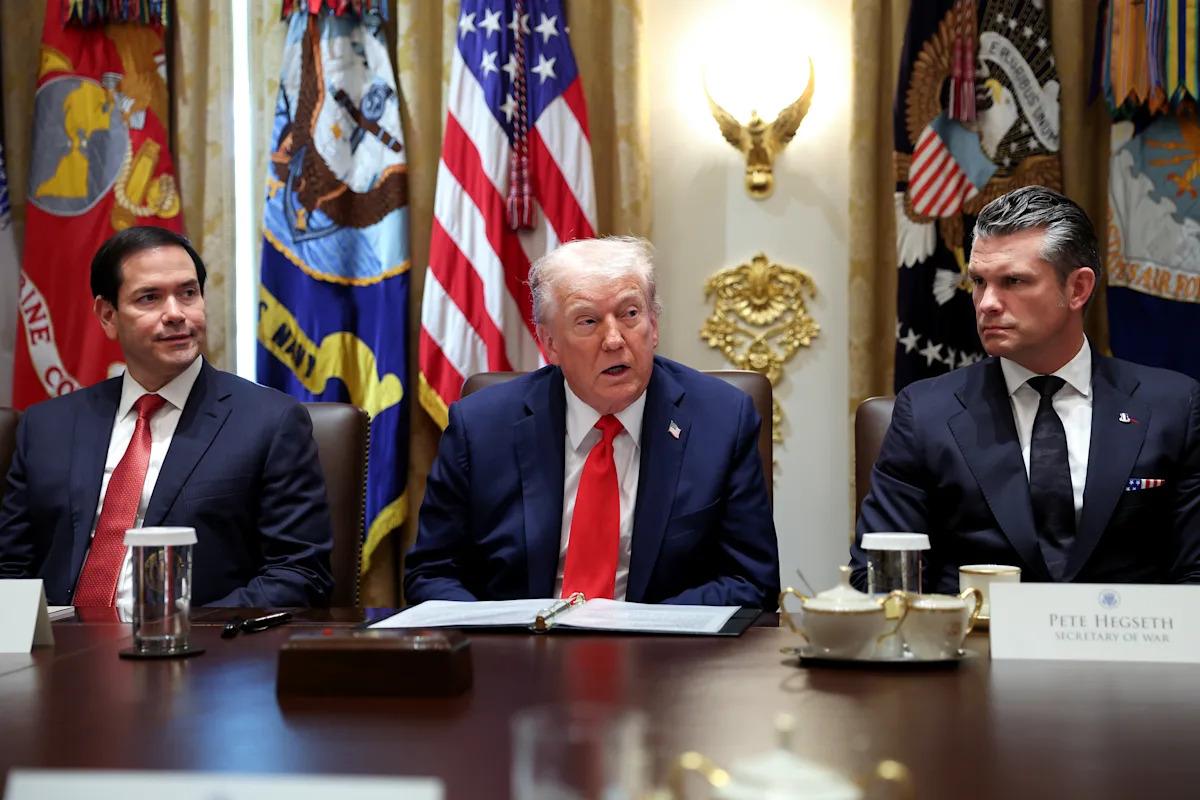
Insider Paper underscores Petro’s broader denunciation of the U.S. strategy as a failed attempt to control Latin America. Ecuador’s President Daniel Noboa reaffirmed support for global anti‑drug efforts amid rising violence in his country.
Ecuadorian Survivor's Whereabouts
Accounts diverge on what happened to the Ecuadorian survivor after his release. The Hindu reports the man returned to Ecuador on October 18 and was released for lack of evidence of any crime on Ecuadorian territory. This aligns with Insider Paper’s note that he was repatriated to Ecuador.
“The man, rescued by U.S. forces after the strike that killed two crew members, returned to Ecuador on October 18 and was released due to lack of evidence of any crime committed on Ecuadorian territory.”
By contrast, the Associated Press identifies him as Andrés Fernando Tufiño and says that after medical evaluations he was repatriated to the United States. Meanwhile, Trump had said both survivors would be sent back to their home countries for detention and prosecution. This expectation conflicts with Ecuador’s decision not to detain its national.
Legal Debate on U.S. Strikes
Washington’s legal framing of the strikes is also contested.
ABC News reports that Trump defended the strikes as part of an "armed conflict" against drug cartels and cited George W. Bush–era legal precedents.
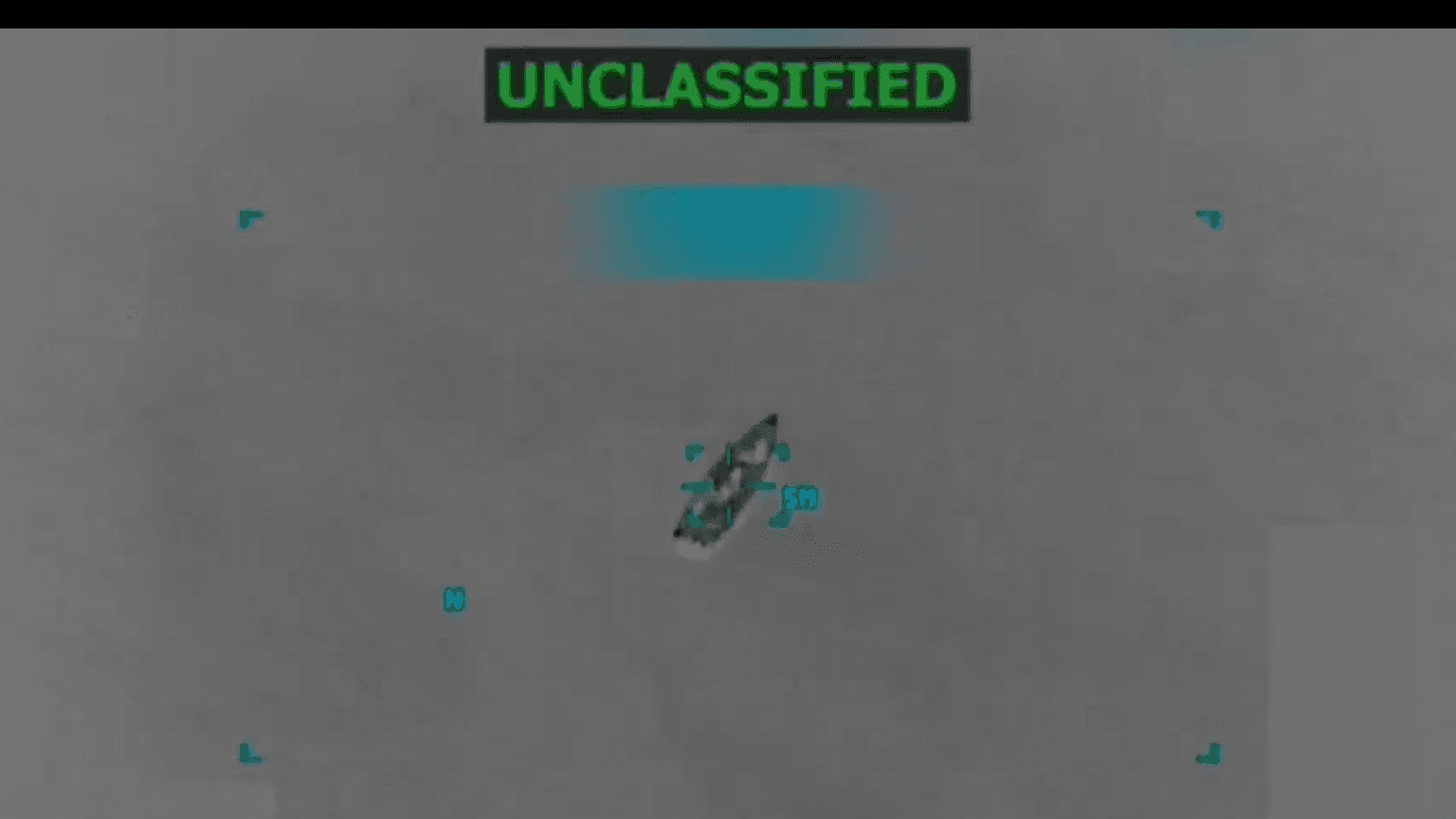
SSBCrack similarly states he justified the operations as an ongoing "armed conflict" using post‑9/11 legal logic.
Insider Paper balances this by highlighting regional criticism and Petro’s denunciation of the strategy as a failed attempt to control Latin America.
Together, these accounts contrast a U.S. war‑paradigm justification with South American leaders’ rejection of that approach.
Summary of Recent Strikes and Coverage
The scope and human toll remain stark across sources, with at least six to seven strikes since September and a minimum of 32 deaths. ABC News - Breaking News and SSBCrack enumerate the pace and casualties. Insider Paper repeats the 32-death figure and highlights the regional backlash.
“This incident marked at least the sixth such attack since September, with a seventh reported recently, resulting in at least 32 deaths.”
Coverage priorities differ elsewhere; for example, The Economic Times ran a broad news roundup the same day focused on unrelated topics, such as a proposed 155% tariff on China and an AWS outage. This illustrates how some Western mainstream business coverage did not center on this episode.