Africa03 October, 20262 min read
Egypt Rejects African Union Statement, Says Ethiopia Crisis Is Internal
This article is an automated aggregation of coverage from news outlets. Our editorials offer in-depth analysis curated by the NewsCord team.
Egypt says Ethiopia crisis is internal with no Cairo involvement. Egypt rejects AU Commission call for restraint, says mentions Cairo unjustified.

7 outlets told this the same way.
AU urges restraint
Egypt rejected an African Union Commission statement that described rising tensions between Ethiopia, Eritrea, and Egypt, with an Egyptian official saying Cairo was being dragged into an Ethiopian internal issue. Egypt’s official source told the official Egyptian news agency that Egypt views the AU move as “an incomprehensible attempt to drag Egypt into an Ethiopian internal issue,” and the official added that “the current crisis in Ethiopia is an internal crisis with which Egypt has no relation.” The African Union Commission urged Ethiopia, Eritrea, and Egypt to exercise “maximum restraint” and to refrain from actions or statements that could heighten tension and undermine regional peace and stability.
Ethiopia and Eritrea also escalated in parallel, as Addis Ababa announced the closure of its embassy in Asmara and declared 10 Eritrean diplomats in Addis Ababa as “personae non gratae,” giving them 48 hours to depart. Eritrea responded by cutting all diplomatic relations with Ethiopia and describing Addis Ababa’s measures as “unjustified hostile acts,” while rejecting Ethiopian accusations about “hostile acts and direct and indirect military practices.”

Diplomats expelled
Ethiopia declared an Egyptian diplomat, Ahmed Mahrem Ahmed Sulaiman, a “personae non grata” and told the Egyptian embassy in Addis Ababa he had to leave within 48 hours. Egypt retaliated by declaring the Ethiopian embassy counselor in Cairo a “personae non grata” and giving him 48 hours to leave, with an Egyptian source calling the Ethiopian move “regrettable” and “unjustified.” The Ethiopian Foreign Ministry said the decision was made under the Vienna Convention on Diplomatic Relations, and the ministry did not provide a reason for the expulsion.
Egypt’s official position emphasized non-interference, with the Egyptian source saying Egypt has “always affirmed full rejection of interference in the internal affairs of states.” The diplomatic escalation unfolded alongside renewed armed clashes since September 23 between the government forces and fighters linked to the Tigray People’s Liberation Front, after the Pretoria peace agreement of 2022.
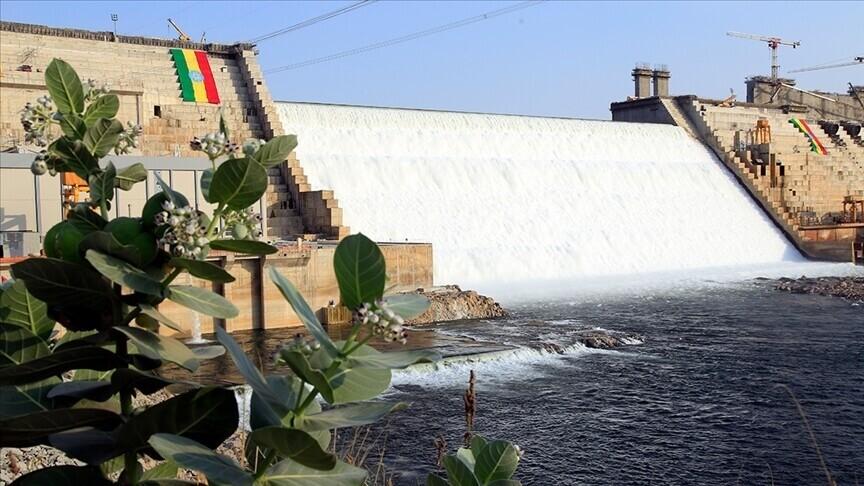
Tigray and GERD backdrop
The diplomatic crisis between Cairo and Addis Ababa unfolded alongside a security-related context in Ethiopia, where renewed armed clashes since September 23 broke the Pretoria peace agreement of 2022. The same crisis also unfolded alongside the Grand Ethiopian Renaissance Dam dispute, as Egyptian Water Minister Hani Swailem described the dam as “unlawful” on September 20 and said Egypt has the right to self-defense of its water security. President Abdel Fattah al-Sisi made remarks before the UN General Assembly reaffirming Cairo’s legitimate right to protect its water security under international law, as the dam dispute remained a parallel escalation.
In the Horn of Africa background, the BBC described how the Ethiopia and Eritrea diplomatic crisis erupted as fighting continued in Tigray, with Ethiopia accusing Eritrea of backing the TPLF and Addis Ababa expelling ten Eritrean diplomats. The BBC also reported that the African Union Commission voiced grave concern over rising tensions among Ethiopia, Eritrea, and Egypt, urging all parties to show maximum restraint and avoid steps that would escalate tensions.