Full story
Hormuz reopening deal
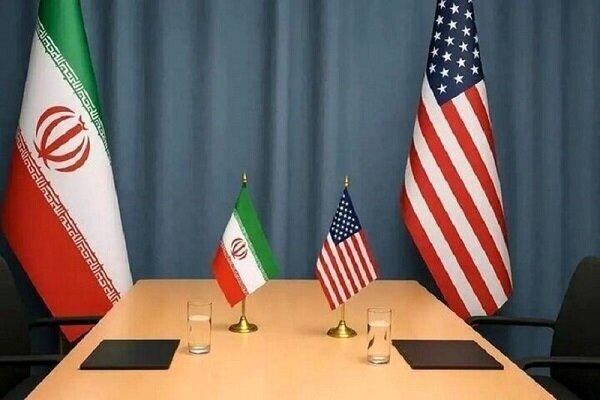
A U.S.-Iran framework agreement is expected to be signed Friday in Switzerland, with the deal aimed at opening the Strait of Hormuz and lifting the U.S. naval blockade of Iran.
“Washington and Tehran are expected to sign a deal Friday in Switzerland”
Kpler analysts told CNBC that ship traffic through Hormuz could rise to nearly 50% of prewar levels within a month, and that ships sailing through Hormuz could increase to 40 per day compared to 100 daily transits before the U.S. and Israel attacked Iran on Feb. 28.

The CNBC report said about 20% of global oil supplies passed through the strait before Iran started attacking tankers in early March, and it cited Kpler’s estimate of 118 tankers in the Gulf that could exit the region within 15 days.
Iran’s Foreign Ministry spokesperson Esmaeil Baghaei said during a press conference that Washington is responsible for implementing the commitments outlined in the Iran-U.S. agreement, including halting the war in Lebanon, and that any violation would be met with reciprocal action from Iran.
Tolls, mines, and disputes
The CNBC report said Iranian state media has said ships can transit Hormuz for 60 days without paying a toll, while Vice President JD Vance told CNBC on Monday that the U.S. expectation is Hormuz will remain toll-free over the long term.
CNBC also highlighted uncertainty over mines, noting that Secretary of State Marco Rubio told Congress earlier this month that Iran mined large segments of the strait and that Bimco warned Monday that "the threat of mines in the area remains a concern."
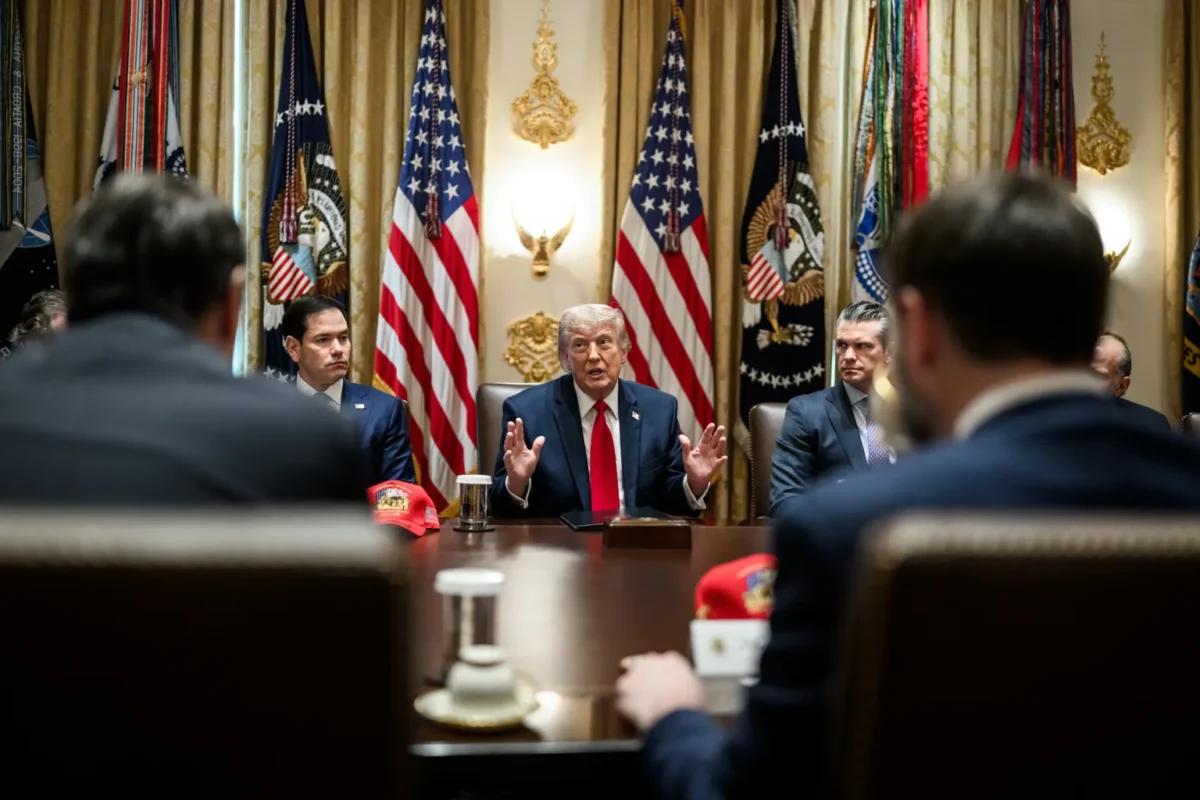
In a separate account, Baghaei told reporters that Iran is not seeking to levy transit tolls on ships, while relevant fees would be collected for navigation services, environmental protection, and other maritime services.
Baghaei also said the details of Iran’s nuclear program were not discussed in the text of the agreement, and that the two sides only agreed to negotiate on the nuclear issue and the lifting of sanctions over a 60-day period.
Implementation pressure and stakes
The New Arab said an official signing ceremony is expected to take place on 19 June in Switzerland, and it described the deal as expected to lead to the immediate re-opening of the Strait of Hormuz and the lifting of the U.S. blockade.
“An official signing ceremony is expected to take place on 19 June in Switzerland”
It also reported that the two countries will attempt to negotiate a final agreement over Iran's nuclear programme over the next 60 days, while mediator Pakistan said the deal extends across the region including Israel's ongoing war against Hezbollah in Lebanon.
In parallel, IranWire reported Baghaei’s insistence that the commitments are “corresponding and reciprocal,” and that Iran will respond if the agreement is violated.
CNBC framed the shipping stakes around how quickly traffic returns, saying the key question is how many vessels will enter the Gulf after the backlog is cleared, and it quoted Kpler’s warning that the surge of stranded ships exiting the region is a one-time event that should not be interpreted as a durable increase of traffic.