Iran06 April, 20263 min read
Esmail Qaani Praises Axis Of Resistance After War With US And Israel
Qaani said axis of resistance emerged stronger during the war. IRGC Quds Force chief hailed victory of resistance.
Anadolu Ajansı was read line by line by the Watchdog: 3.4. See the score →
Qaani returns, praises axis
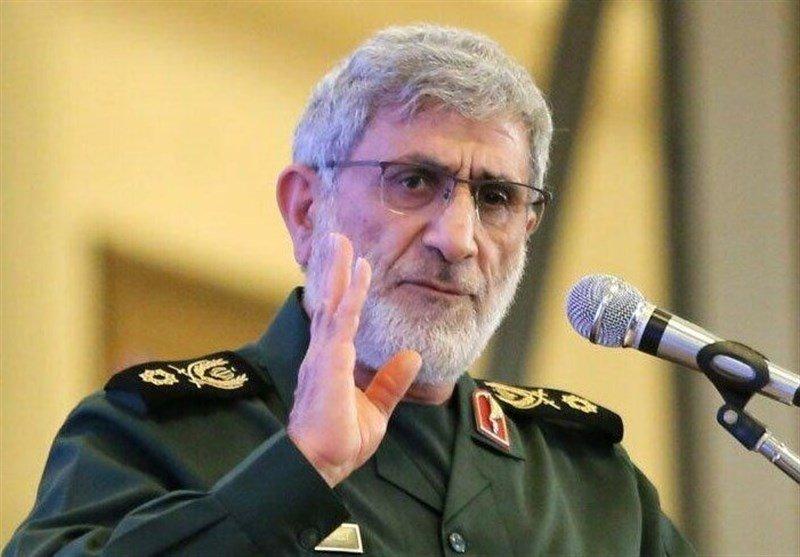
Iran’s Quds Force commander Esmail Qaani appeared publicly Monday for the first time since the outbreak of the war on Feb. 28, praising the “axis of resistance” for its role during the recent conflict with the US and Israel.
Speaking in remarks aired by Iran’s Khabar Network, Qaani said the “axis of resistance” had demonstrated its strength during the war and placed the US and Israel under what he described as a “spiral of anxiety.”

He said Hezbollah stood alongside Iran during the conflict and warned that neither the US nor Israel would be capable of defeating the Lebanese group, adding, “No one can stand against Hezbollah.”
Qaani also said Hamas would be rebuilt despite the war in Gaza and described the Bab al-Mandab Strait as one of the “winning cards” of the “axis of resistance,” warning that additional capabilities could be revealed if necessary.
The Anadolu Ajansı account tied the regional escalation to US and Israel airstrikes on Iran that killed more than 3,000 people, and said Tehran responded with strikes on Gulf countries and Israel as well as restrictions on passage through the Strait of Hormuz.
Tehran says war ends
In Tehran, IRNA reported that Brigadier General Esmaeil Qa’ani said in a message on Monday that “Resistance rooted in divine faith has once again achieved victory, from Enqelab [Revolution] Square in Tehran to Azadi [Freedom] Square for oppressed nations.” IRNA also said the Secretariat of the Supreme National Security Council (SNSC) issued a statement regarding the Pakistan-mediated memorandum of understanding (MoU) to end the war between Iran and the United States, emphasizing that under the terms of the MoU, the war and military operations on all fronts, including Lebanon, will cease immediately and permanently starting Sunday night. The IRNA account further stated that the naval blockade against Iran will be lifted immediately and in full, and it framed the MoU as a step reached through Pakistani mediation.
Anadolu Ajansı, meanwhile, said Washington and Tehran reached a temporary truce on April 8 through Pakistani mediation before announcing a framework agreement to end the conflict, expected to be formally signed in Switzerland on July 19. Together, the two accounts placed Qaani’s public remarks alongside a claimed shift toward cessation of hostilities under the Pakistan-mediated MoU and truce timeline.
Iraq talks, base controversy
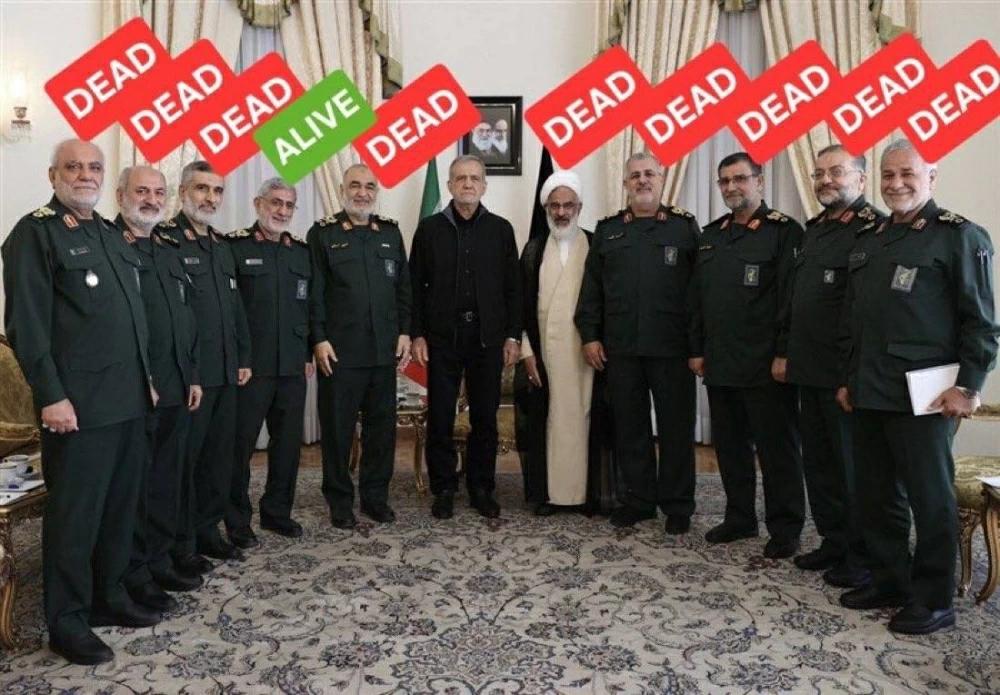
Beyond Iran’s own messaging, France 24 described a debate in Iraq after The Wall Street Journal published a report about Israel establishing a secret base in the Najaf Desert, with questions about how Iraqi authorities were handling the matter and what role the United States played. France 24 linked the controversy to implications for internal Iraqi affairs and the formation of the government, including the policy of remaining neutral from war in Iran, especially with the visit by the commander of the Quds Force to Iraq to discuss “the formation of the government.” Separately, مونت كارلو الدولية reported that sources said Qaani asked Iraqi factions to prepare for the possibility of failure of talks with Washington and a return to military escalation.
The Monte Carlo account said an American Embassy warning in Baghdad spoke of serious security threats to American interests and targets across Iraq, including the Kurdistan Region in the north, and it said the warning came hours after talks held by Qaani with Iraqi factions. In the same Monte Carlo report, the Iraqi Hizballah linked the American warning to American intentions to assassinate leaders of the Hizballah factions, the Najba Movement, the Sayyid al-Shuhada Brigades, and the Asaib Ahl al-Haq, while the Iraqi National Security Advisory returned and affirmed the factions’ commitment to the existing ceasefire.