Europeupdated 1h ago3 min read
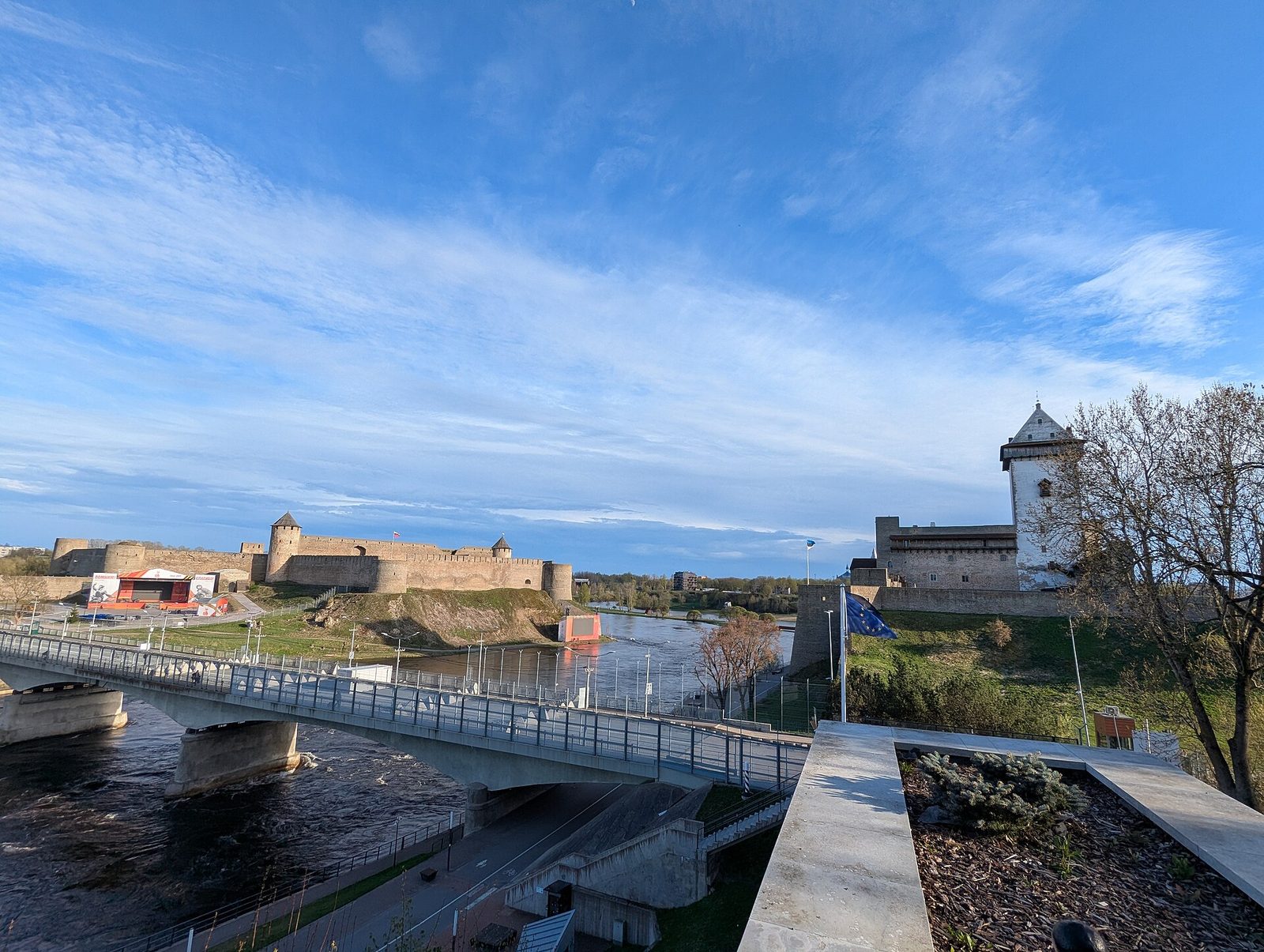
Archive photo · 4 May 2025Estonia Closes Border With Russia From 1 December, Foreign Minister Margus Tsahkna Says
2 Local Western2 Western Mainstream1 Western AlternativePhoto: Андрей Романенко, CC BY-SA 4.0 · Cropped for layout
This article is an automated aggregation of coverage from news outlets. Our editorials offer in-depth analysis curated by the NewsCord team.
Estonia will close its border with Russia on December 1. Foreign Minister Margus Tsahkna confirmed the closure in Baku.
Save coverage image
5 outlets in this story. Read their headlines below.
Border closures and detours
Estonia will close its border with Russia on 1 December, and Estonia’s Foreign Minister Margus Tsahkna said, “we are not happy about that, but we need to respond and we need to secure Europe as well.” Tsahkna warned that Estonia, which shares a border with Russia, has faced an increase in Russian sabotage and attacks targeting Europe, and he framed the decision as a response to “growing security concerns over Russia’s actions against European countries.” Russians queuing to cross the bridge over the Narva River described the change as a narrowing of routes, and a Russian ironical said, “It seems that no union, whether the Soviet Union or the European Union, can exist without a Iron Curtain.”
The El País account said that before the war about four million people crossed the Estonia–Russia border per year, and it added that in the first months of 2026 the figure had reduced to about 760,000, according to ERR, Estonia’s public radio and TV. El País also said that since 2022 there have been no direct flights with Europe due to sanctions imposed on Moscow for the invasion of Ukraine, leaving motor travel through Belarus to Vilnius or flights via Turkey, Serbia, or Armenia.
Bus passengers protest
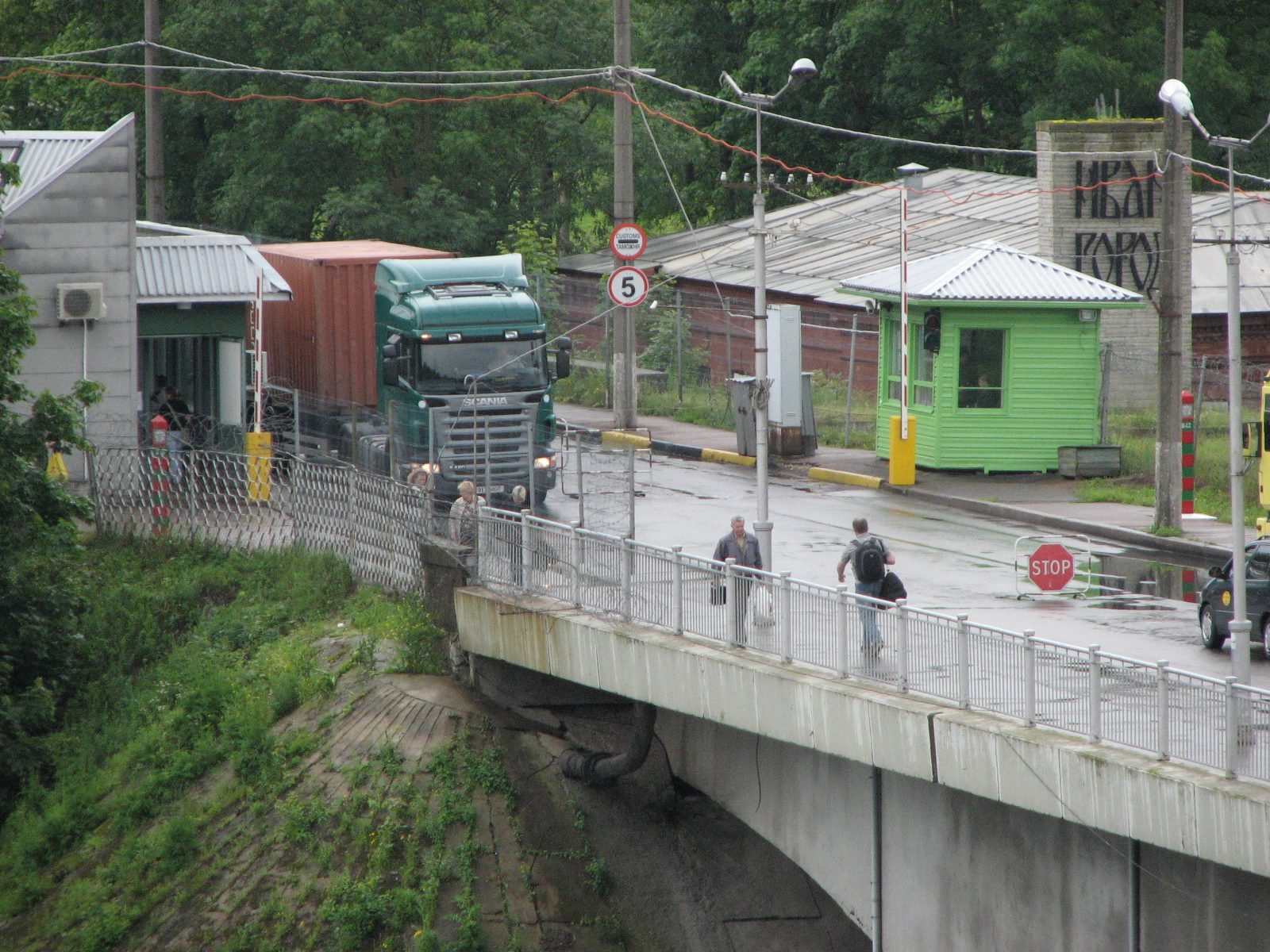
On the last trip aboard the bus that connected Russia with Europe, Lux Express passengers queued in cold conditions to cross at the Narva River, and Alexánder, a Russian pensioner who said he has lived for more than 20 years in Sweden, protested, “This is Russophobia.”
Alexánder said, “Who has money travels by plane through Istanbul,” and he added, “I used to travel through Finland, but it’s over.”
El País described how road traffic between Russia and Estonia is not allowed since 2024, forcing passengers to get off at Ivángorod, cross the bridge on foot, and wait for another vehicle from the same company to continue the trip to Narva and Tallinn.
Alexánder argued that Europe “wants to settle scores with ordinary Russian people,” and he said, “we must be more conciliatory.”
El País also quoted Alexánder asking, “The European Union wants war against Russia. Does anyone need that?” after he quoted a YouTuber, Savromat, saying that “Ukraine should disappear because, if it stays as it is, it will be a constant source of conflict.”
Armenia shifts away from Russia
Armenian Prime Minister Nikol Pashinyan said Armenian border guards will replace Russian personnel along Armenia’s frontiers with Turkey and Iran in the coming years, and he told reporters, “I think that in the coming years we must fully assume responsibility for protecting Armenia’s state borders.” Pashinyan said Armenia was “grateful to the Russian border guards who have stood at our borders all these years,” while the Kyiv Post account added that he gave no deadline for the handover.
The Defense Post reported that Pashinyan thanked the Russian border guards for their years of service but said Armenia would have to take full responsibility for guarding its state borders, and it added that he did not say when the Russian personnel would stop working.
The Defense Post also said the FSB border guards ended their service at Yerevan’s Zvartnots International Airport on August 1, 2024, stopped working at the Agarak checkpoint on the Iranian border in January 2025, and stopped working at a checkpoint on the Turkish border the following month.
The Kyiv Post account said Russian border guards serve under Moscow’s Federal Security Service (FSB) under a 1992 agreement, and it described Moscow’s warnings that leaving the Russian-led Eurasian Economic Union could cost Armenia its preferential price for Russian gas.