Europeupdated 23m ago2 min read
Archive photo · 23 February 2025EU Budget Talks Collapse After Merz Walks Out, Leaving Ukraine Loan in Limbo
6 Western Mainstream5 Other2 Latin American1 Local WesternPhoto: Sandro Halank, Wikimedia Commons, CC BY-SA 4.0, CC BY-SA 4.0 · Cropped for layout
This article is an automated aggregation of coverage from news outlets. Our editorials offer in-depth analysis curated by the NewsCord team.
EU budget talks collapsed after Merz walked out, delaying the 2028-2034 budget. Ukraine funding remained unresolved due to walkouts, leaving Ukraine loan in limbo.
Save coverage image
Budget talks collapse in Brussels
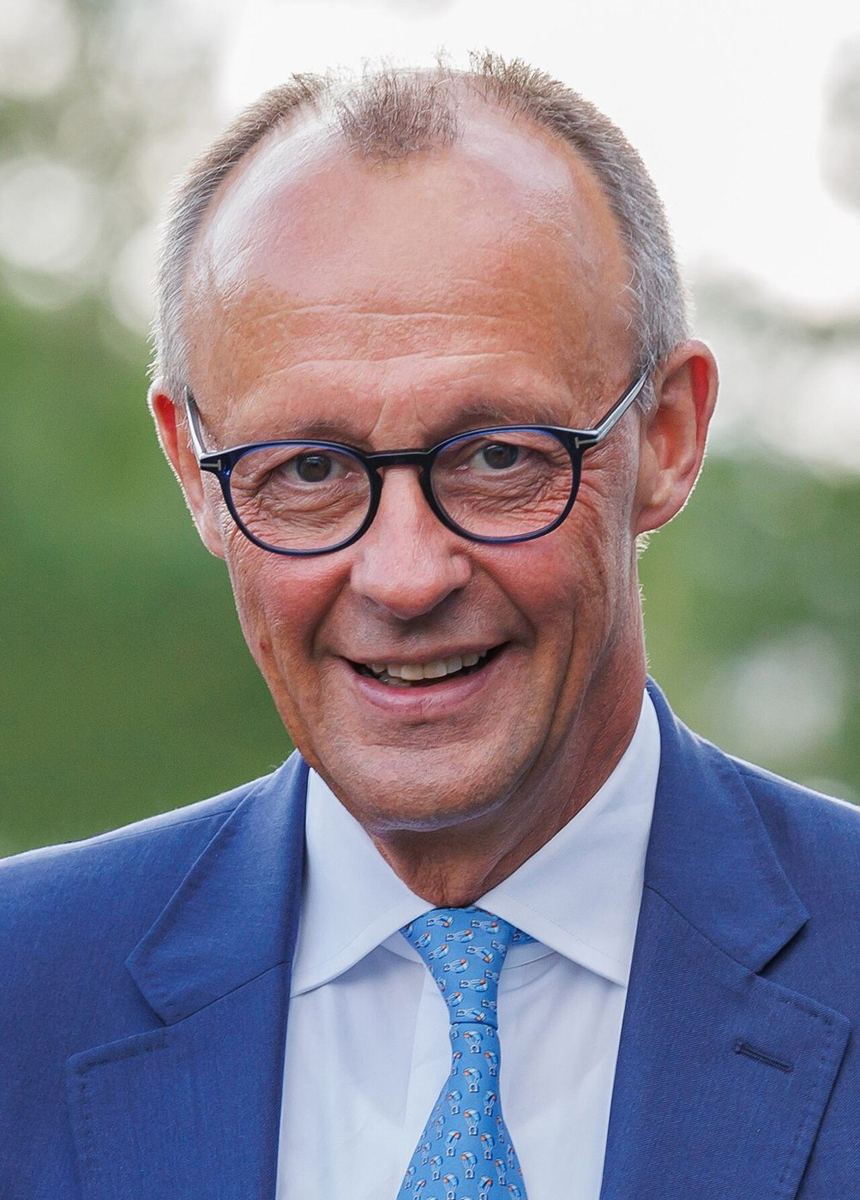
European Council President António Costa left Brussels without an agreement after EU leaders deferred negotiations on the 2028-2034 budget following tensions over spending priorities and aid for Ukraine. German Chancellor Friedrich Merz said the “European Union comprises of 27 member states, not 23 or 24,” as he argued that uniform EU agreement was a condition for approving the broader budget.
Tense talks on the 2028-34 budget ended after 12 hours on Thursday, with some members walking out and negotiations set to resume in December. German Chancellor Friedrich Merz and the fiscally conservative “frugal” nations walked out after midnight when they left European Council President António Costa, and leaders set a final deadline for reaching an agreement at an upcoming summit one week before Christmas.

Ukraine loan and veto power
EU leaders kept arguing over a proposal to provide Ukraine with an additional loan of €45bn (£37.6bn), with Slovakia, the Czech Republic and Hungary objecting while Merz insisted on EU-wide support. European budgets require approval from all 27 countries, with each country effectively holding veto power.
Costa told reporters early Friday, “We did not reach an agreement,” and added that a crucial loan for Ukraine became entangled in the negotiations. The European Council announced a two-day summit on 17 and 18 December would revive budget negotiations after the talks concluded.
Elections shape the next steps
French President Emmanuel Macron warned that failing to reach an agreement before the end of the year would stall negotiations until after France's presidential election in April, and he said it would be a “strategic mistake” to lower long-term spending. Marine Le Pen called the talks an “underhanded political manoeuvring to thwart the democratic will of the French people,” while Macron replied that “as things stand, she has not been elected.”
Spain’s snap election could shift the EU’s political balance, and Spanish Prime Minister Pedro Sánchez skipped the Brussels summit to campaign ahead of Sunday’s snap general election. The European Council set a two-day summit on 17 and 18 December, and it also named Spanish economist Pablo Hernández de Cos as the next President of the European Central Bank, replacing Christine Lagarde from February 2027.