Europeupdated 18m ago3 min read
Archive photo · 13 February 2020Germany’s Bundestag Approves 2027 Budget With 556 Billion Euros and Record Defense Spending
“This policy is expected to cost around 5 billion euros, but funding has only been secured for 2027 so far.”
“To ease pressure on households, the government plans to reform income taxes.”
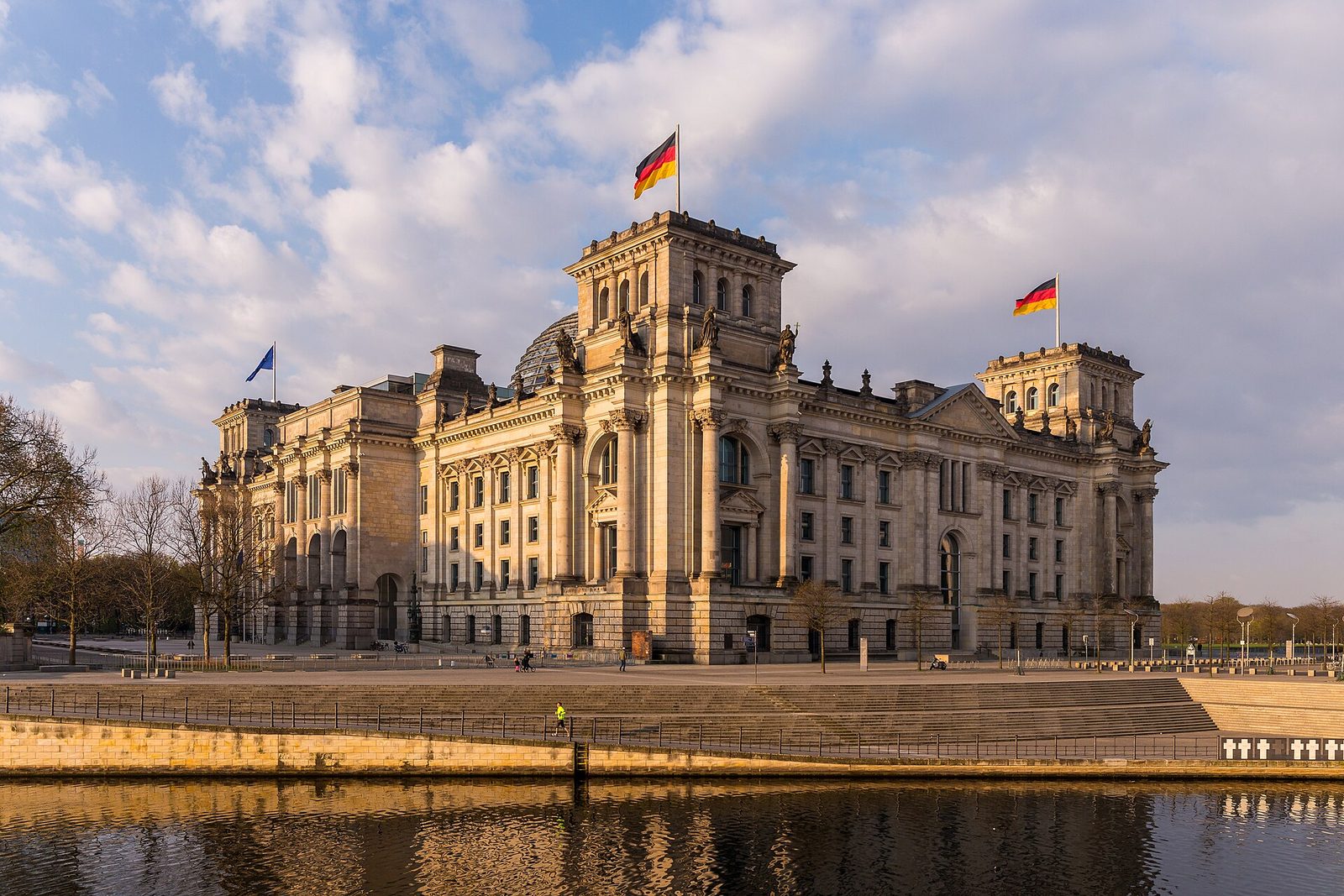
Photo: Steffen Prößdorf, CC BY-SA 4.0 · Cropped for layout
This article is an automated aggregation of coverage from news outlets. Our editorials offer in-depth analysis curated by the NewsCord team.
2027 budget approved at €556 billion by the Bundestag. Defense spending rises to about €140 billion, the largest since the Cold War.
Save coverage image
Merz pushes 2027 budget
Germany’s Bundestag approved the 2027 federal budget with total spending of 556 billion euros and a vote of 317 in favor and 260 against. Chancellor Friedrich Merz secured the passage after months of negotiations with his Social Democratic partners, and the governing coalition of the Christian Democratic Union (CDU), the Christian Social Union (CSU), and the Social Democratic Party (SPD) supported the accounts while AfD, the Greens, and Die Linke voted against. The plan sets defense spending to reach 139.4 billion euros in 2027, including 109.75 billion euros from the ordinary budget and 29.65 billion euros from the 100.0 billion special fund created in 2022 to modernize the German Armed Forces.
“The project received 317 votes in favor and 260 against in the Bundestag.”
Finance Minister Lars Klingbeil said the government would allocate the majority of new loans to defense and infrastructure investment, including railways and childcare systems, and he set 2027 as the year to boost private sector investment. The budget also includes around 60.0 billion euros allocated for new military acquisitions, and it aims for Germany to have Europe’s most powerful army by 2039.
Debt, taxes, and disputes
The approved plan contemplates net indebtedness close to 119.0–123.0 billion euros, compared with about 98.0 billion planned for 2026, and it also relies on extraordinary financing mechanisms. The coalition agreed to close a gap of about 34.0 billion through spending cuts, reduction of subsidies, and new revenues, while the agreement also keeps differences over taxes, social benefits, and economic reforms open. The budget package reduces electricity taxes to the minimum level permitted by the European Union (EU), and it is expected to cost around 5 billion euros, with funding secured for 2027 so far.
Finance Minister Lars Klingbeil warned that building the 2028 budget would be even more difficult, and he argued the government would inevitably have to ask citizens to share more of the financial burden. The Bundestag also approved a plan to increase taxes on sugary drinks and alcohol, with the sugary drink levy set to come into effect in 2028, while the SPD blocked cuts the conservatives proposed in housing assistance, alimony advances, and other social benefits.
Ukraine aid and Europe
Germany’s 2027 budget includes about 12 billion euros to support Ukraine, and the Bundestag press service reported that Berlin allocated 11.61 billion euros in aid to Ukraine. The budget’s defense spending is described as reaching nearly 140 billion euros, the highest level since the end of the Cold War, and the German Ministry of Defense’s budget itself is stated as 109.75 billion euros. The plan’s financing is linked to constitutional changes that allowed the relevant expenditures to be exempted from the restrictions of the so-called debt brake, and the Bundestag approved the state budget for 2027 on November 27.
“Berlin has allocated €11.61 billion to support Ukraine.”
Chancellor Friedrich Merz tied Berlin’s approval of the 2028-2034 EU budget to a commitment from all member states to provide financial support to Ukraine, and he insisted that all EU member states must contribute. Merz also said he does not accept individual states shirking this responsibility, as the sources describe an EU budget summit that ended without an agreement and a German push for an extraordinary summit in Brussels.