Europeupdated 23m ago3 min read
MapAntonio Costa Seeks December Deal on €1.6 Trillion EU Budget and Ukraine Financing
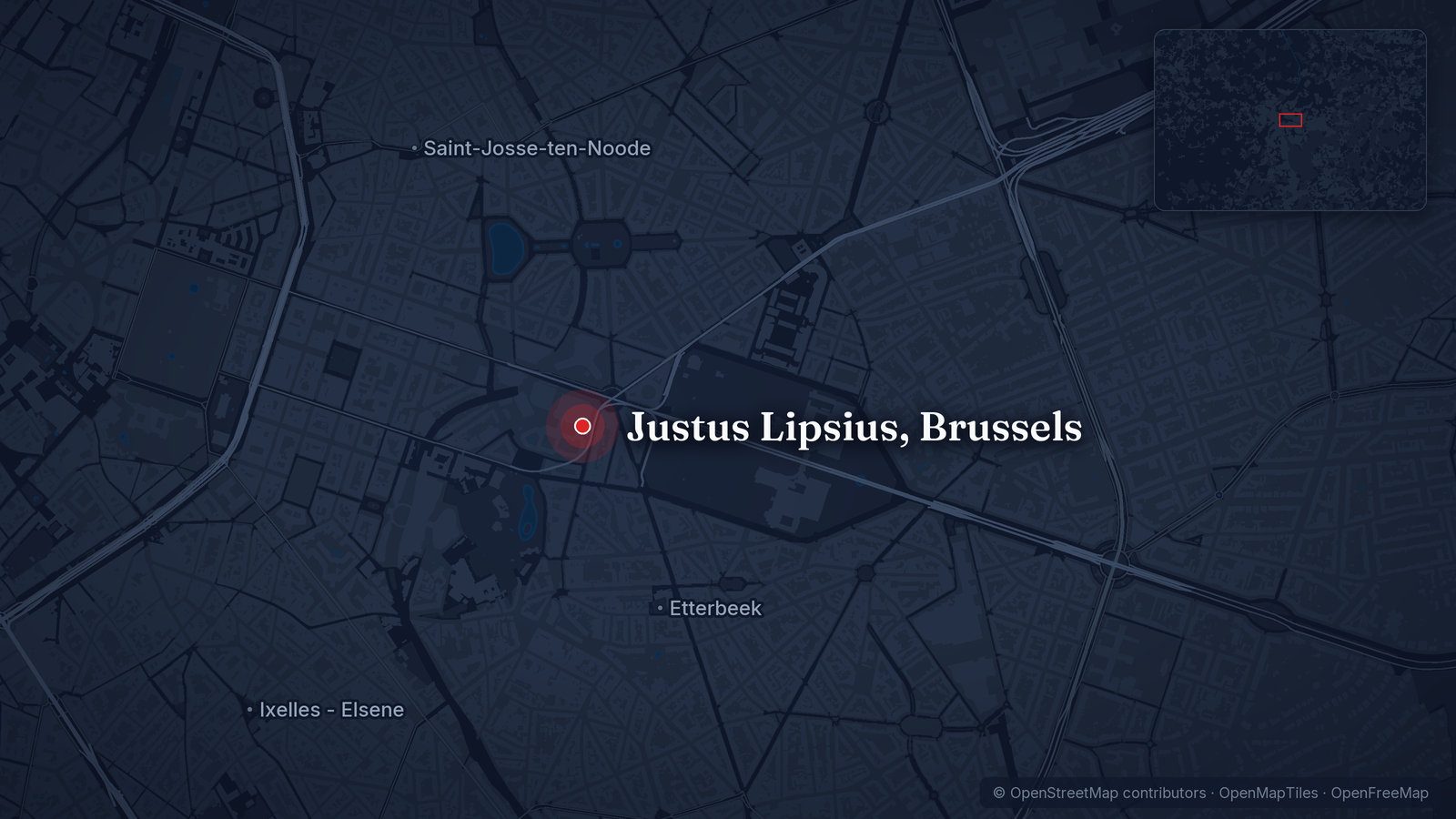
6 Western Mainstream2 Local Western2 Western Alternative2 Other source typesMap: © OpenStreetMap contributors, ODbL · Cropped for layout
This article is an automated aggregation of coverage from news outlets. Our editorials offer in-depth analysis curated by the NewsCord team.
EU leaders seek December deal on 2028–34 budget and Ukraine financing. Germany and others demand all-27 participation to fund Ukraine, linking approval.
Save coverage image
Budget and Ukraine collide
European Council President Antonio Costa is trying to steer a special European Council meeting in Brussels toward an agreement on a nearly €1.6 trillion ($1.76 trillion) EU budget proposal for 2028 to 2034 and on financing for Ukraine, with leaders aiming for a deal in December. Diplomats said the 27 member countries hope the meeting paves the way for Costa to bring a new budget proposal and for members to agree it at a summit on December 17 and 18, while the seven-year budget requires unanimous approval from all 27 member states. The talks also cover how to continue financing Ukraine, with the 2028-2034 budget including up to €100 billion for Ukraine and with the EU seeking to borrow €45 billion and lend it to Ukraine, to be repaid only when Russia pays war reparations to Kyiv.
The summit agenda includes the ECB leadership question, as eurozone leaders discuss who could replace outgoing ECB President Christine Lagarde, and the final decision is expected next month. A Reuters report said leaders want a deal by year-end because next year there are elections in France, Italy, Poland, Greece, Estonia, Finland and Slovakia that could complicate negotiations.
Merz demands no opt-out
Chancellor Friedrich Merz urged participation by all EU member states in the aid to Ukraine and said the European Union has 27 members, not 23 or 24, while he linked his approval of the next EU budget to a joint Ukraine aid.
Merz said, "The financing of Kyiv is a task that we must carry out together," and Austria's Chancellor Christian Stocker backed Merz's demand for a joint solution in Brussels.
Czech Prime Minister Andrej Babis demanded separate negotiations for Ukraine financing, and he said, "The financing of Ukraine should be negotiated separately, he demanded."
The Netherlands joined Germany in backing the condition that the EU's next long-term budget for 2028-2034 should not be approved unless all EU member states agree to contribute to funding Ukraine, and Rob Jetten said, "Absolutely. No opting out."
EU leaders also faced a dispute over whether all member countries should contribute to the €45 billion loan to Ukraine, with Slovakia, the Czech Republic, Hungary and Bulgaria objecting while Germany and several other countries made participation a condition of a broader budget deal.
What is at stake
EU leaders framed the negotiations as a test of unity and a high political stake for all 27 EU countries, with one report calling the EU's long-term budget for 2028-2034 "a genuine battle of clashing national interests." The same report said the proposed EU budget for 2028-2034 reserves €100 billion for Ukraine over seven years, but it warned that interest on other loans, including a €90 billion credit line and a €45 billion yet to be approved, would absorb most of those funds. The report also said that depending on borrowing costs, interest payments would absorb most of the funds, between €55 billion and €65 billion, and it concluded that new loans would be needed.
Another report said Bulgaria's Prime Minister Rumen Radev would support a proposed €45 billion EU loan to Ukraine but only for funds earmarked for non-military aid, and he told reporters, "no money from Bulgaria for weapons," as he arrived at the EU summit in Brussels. As the summit proceeds, the dispute over Ukraine financing remains tied to the budget process, with one report noting that the 27 want to reach an agreement by year-end because elections in France, Italy, Poland, Greece, Estonia, Finland and Slovakia next year could complicate negotiations.