Europeupdated 25m ago2 min read
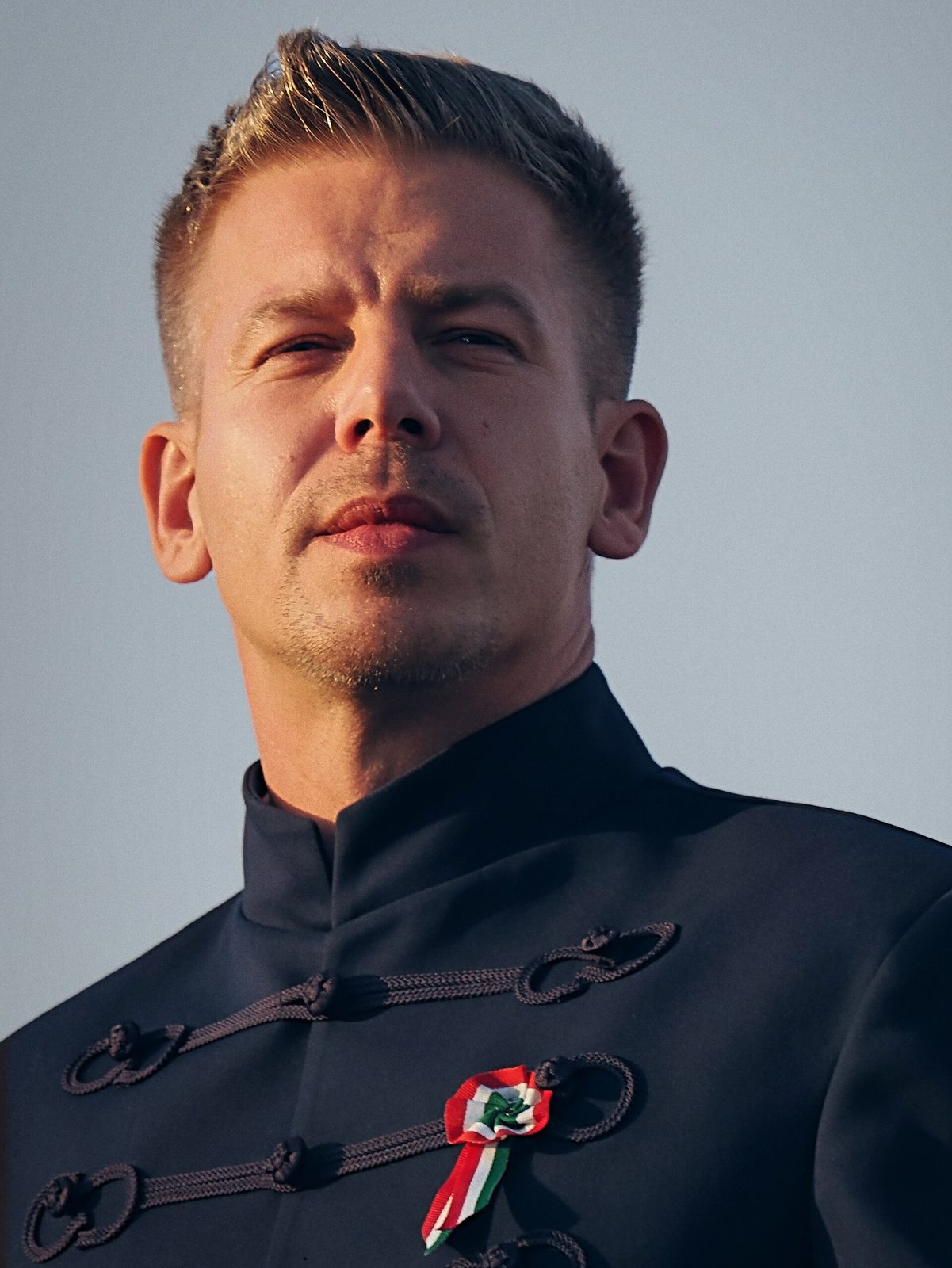
Archive photo · 15 March 2026Peter Magyar Calls Talks With Volodymyr Zelensky Historic in Uzhhorod
2 West Asian1 Local Western1 Western Alternative1 Western MainstreamPhoto: Norbert Banhalmi, CC BY-SA 4.0 · Cropped for layout
This article is an automated aggregation of coverage from news outlets. Our editorials offer in-depth analysis curated by the NewsCord team.
Péter Magyar makes his first official visit to Ukraine, meeting Zelensky. They discuss closer ties and a new chapter in Ukraine policy.
Save coverage image
5 outlets in this story. Read their headlines below.
Historic talks in Uzhhorod
Hungarian Prime Minister Peter Magyar described his talks with Ukrainian President Volodymyr Zelensky in western Ukraine as historic, as the two leaders met in Uzhhorod and laid wreaths at a military cemetery. Zelensky said the meeting would “certainly yield positive results” and added that the talks had already produced agreements in the areas of politics, energy, and infrastructure. Magyar also said an ethnic Hungarian, described as one of the first victims of Russia’s war of aggression against Ukraine, is buried at the cemetery where the leaders laid wreaths.
“‘It is a visit that will certainly yield positive results. We have already reached agreements in the areas of politics, energy, and infrastructure,’ Zelenskyy wrote on Platform X.”
The meeting took place in Uzhhorod in the Zakarpattia region, a city described as bordering Hungary, Romania, Slovakia, and Poland. Zelensky said the two sides discussed gas and diesel deliveries to Ukraine and joint infrastructure projects, including direct train connections between the two countries.
EU accession and humanitarian limits
Magyar told Ukrainian President Volodymyr Zelensky that Hungary would provide Ukraine with every conceivable form of humanitarian aid, while Magyar rejected arms deliveries and the transit of arms shipments to Ukraine. The Hungarian prime minister also opposed an accelerated process for Ukraine’s EU accession and opposed EU aid for Ukraine being paid directly from the next EU budget, advocating for other financing options. Zelensky said coordination with Hungary was a fundamental pillar at this delicate stage of Ukraine’s history, and he welcomed the positive spirit shown by the Hungarian side during the in-depth bilateral talks.
Magyar’s approach was described as a shift from Viktor Orbán, whose close ties to the Kremlin had caused tensions, while Magyar clearly identified Russia as the aggressor in the conflict with Ukraine. Magyar said Hungary supports Ukraine with medical and energy equipment, medications, and transport vehicles worth one billion forints, and he said the same amount would be allocated to the Hungarian minority through a separate fund.
Carpathian Initiative and next steps
Zelensky said he was ready to consider visiting Budapest if invited by the Hungarian side, and he made the point during a joint press conference with Hungarian Prime Minister Peter Magyar in the city of Berehovo in the Zakarpattia region.
“If the Hungarian side extends an invitation, Ukraine will surely consider the possibility of making a visit.”
Zelensky said, “If the Hungarian side extends an invitation, Ukraine will surely consider the possibility of making a visit,” and he added, “We discussed the Carpathian Initiative, and many other initiatives.”
Zelensky also joked that if he were in Magyar’s place, he would have invited the Ukrainian president to Budapest himself, saying, “If I were in the prime minister's place, I would invite him to Budapest. Because we must reciprocate in the end,”
The Ukrainian president said the two sides discussed the Carpathian Initiative and other potential joint projects, and he argued that Ukraine and Hungary should present new proposals more frequently to strengthen cooperation.
Ukrainian officials said they hoped the positive atmosphere from the Uzhhorod talks would translate into tangible decisions at upcoming European summits, and they said the visit would be followed by technical and expert meetings to lay out a roadmap for future cooperation.