Technology and Science26 April, 20266 min read
Evolutionary Biologist Pablo Burraco Studies Chernobyl Tree Frogs After Reactor Number Four Explosion
This article is an automated aggregation of coverage from news outlets. Our editorials offer in-depth analysis curated by the NewsCord team.
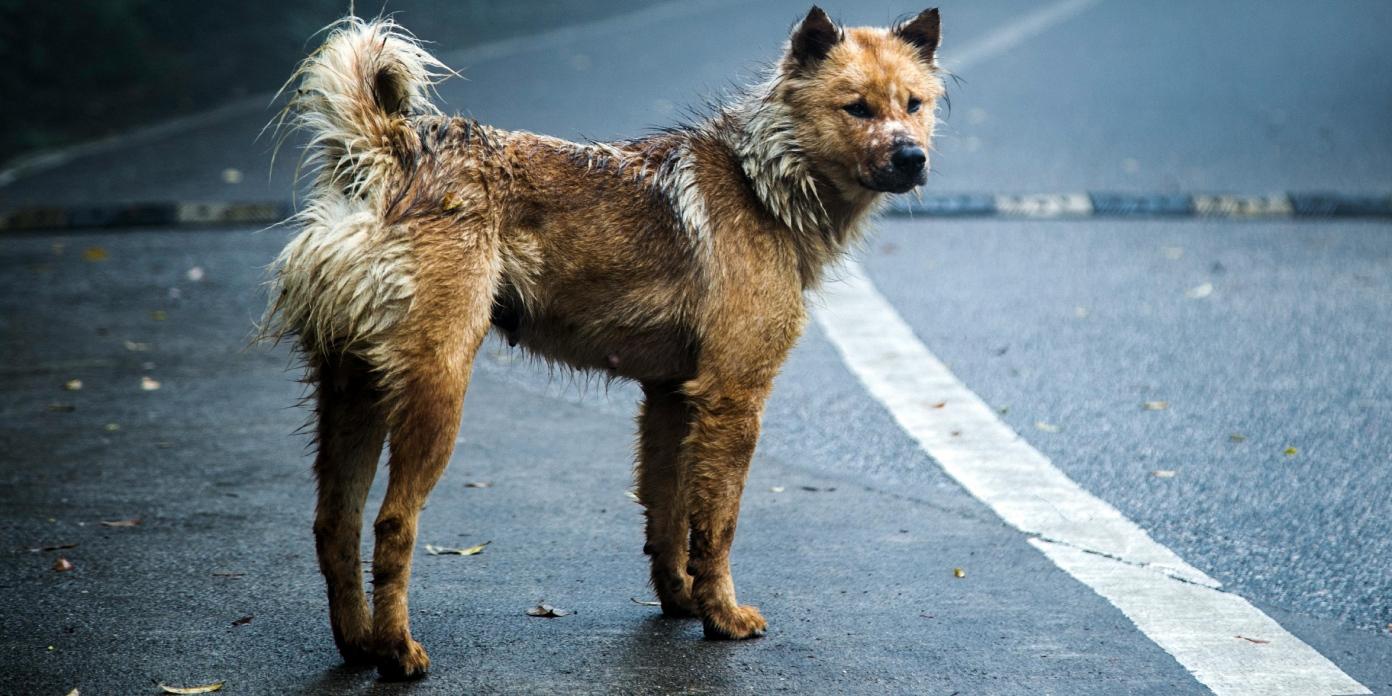
Chernobyl dogs show radiation-induced genetic changes. Wildlife in the irradiated zone adapts, showing different ecological dynamics.
Chernobyl’s frog question
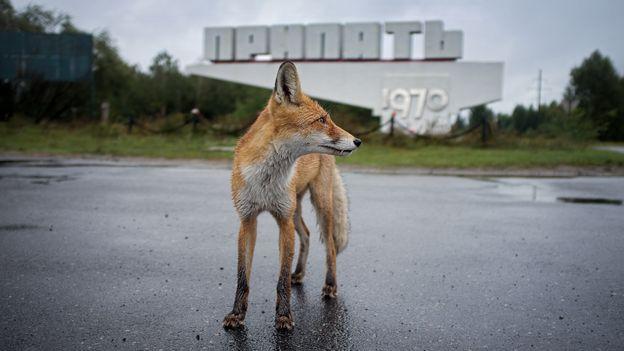
In the abandoned, irradiated landscape of Chernobyl, evolutionary biologist Pablo Burraco moved through the night with only a headlamp, closing in on a “tiny male tree frog” that was “urgently calling for its mate.” Burraco, described as “an evolutionary biologist at Doñana Biological Station, a public research institute belonging to the Spanish National Research Council,” was on his first field trip to the area in 2016, decades after the catastrophic reactor explosion in 1986. The BBC places the disaster’s timeline at “April 26, 1986,” when “reactor number four exploded,” and it says the surrounding area was evacuated for many miles, leaving few people to tread where Burraco did.
The article explains that “winds eventually carried radioactive dust as far as the United Kingdom, Norway and even parts of North Africa,” while the landscape immediately surrounding the power plant in northern Ukraine received the heaviest dose. It adds that “Intense radioactive hotspots still persist today,” and that “almost all the humans in the surrounding area immediately left,” while the animals did not.
Burraco’s fieldwork centers on whether radiation changed creatures living near the plant, and the BBC frames his excitement around the moment he plucked the “5 cm long (two inches)” amphibian from its perch. The BBC also reports that Burraco and colleagues have sampled “more than 250 tree frogs in total,” and that in 2022 they published data indicating frogs inside the “37-mile-wide (60 km) exclusion zone” were “on average, darker” than those outside.
Dark frogs and disputed proof
The BBC describes Burraco’s working theory as a hypothesis rather than settled proof, tying darker frog coloration to melanin and possible radiation protection. It says Burraco’s team focused on locations where radiation levels were “particularly high immediately after the accident in 1986,” and it reports that the proposed mechanism is that “darker frogs fared better in the aftermath of the nuclear disaster.” The article emphasizes the uncertainty by stating, “Their hypothesis, which Burraco emphasizes, remains a hypothesis,” and it adds, “there is no hard proof of this yet.”
Burraco’s argument is also presented as a response to criticism about sampling, with the BBC quoting biologist Timothy Mousseau at the University of South Carolina as saying the frog sampling “was not comprehensive enough to show a distinction between those inside and outside the exclusion zone.” Mousseau’s critique continues in the BBC’s account that “the occurrence of melanization does not correlate with current levels of radioactivity around the Chernobyl disaster site.”
Burraco pushes back by noting that the frogs were “sampled from a variety of areas with differing radiological exposures that are otherwise similar in terms of habitat,” and the BBC adds that he also points out “radiation levels have changed since the time of the accident.” The BBC further introduces radiobiologist Carmel Mothersill, professor emeritus at McMaster University, who says the 2022 paper is “sound in terms of its methodology” and that the authors are “cautious in how they interpret the data.”
Blue dogs and verification gaps
While the BBC’s account focuses on frogs and contested interpretations, La Stampa reports a different Chernobyl phenomenon: “Tre cani randagi” that appeared with an “insolito mantello blu” in the ruins of Chernobyl in Ukraine.
The Italian outlet says images were “diffuse online dall’organizzazione Dogs of Chernobyl,” and it reports that the visuals “hanno suscitato sorpresa e interrogativi tra scienziati e ambientalisti e stanno suscitando molto clamore.”
La Stampa also stresses that the claim is not straightforward to verify, saying it “lasci[a] perplessi” because “non è chiaro quando e dove siano state registrate” and that “non è stato possibile verificarne la fonte o l’autenticità.”
It adds that “Alcuni ipotizzano che le immagini possano essere state alterate digitalmente o persino modificate tramite intelligenza artificiale.”
In the same report, La Stampa describes a video posted by Dogs of Chernobyl, affiliated with the non-profit Clean Futures Fund, showing “tre cani dal pelo blu brillante” near the nuclear plant, and it quotes a spokesperson saying, “Abbiamo visto molte cose a Chernobyl, ma questa è stata un’esperienza davvero unica.”
La Stampa also includes a second quoted line from the group’s Instagram post: “Siamo sul posto per catturare i cani da sterilizzare e ci siamo imbattuti in tre cani completamente blu. Non siamo esattamente sicuri di cosa stia accadendo”.
La Stampa’s framing then pivots to uncertainty about causation, stating “non ci sono prove che il colore blu sia legato alle radiazioni o al nucleare,” and it says “la causa potrebbe essere del tutto diversa.”
Genetics, isolation, and canine research
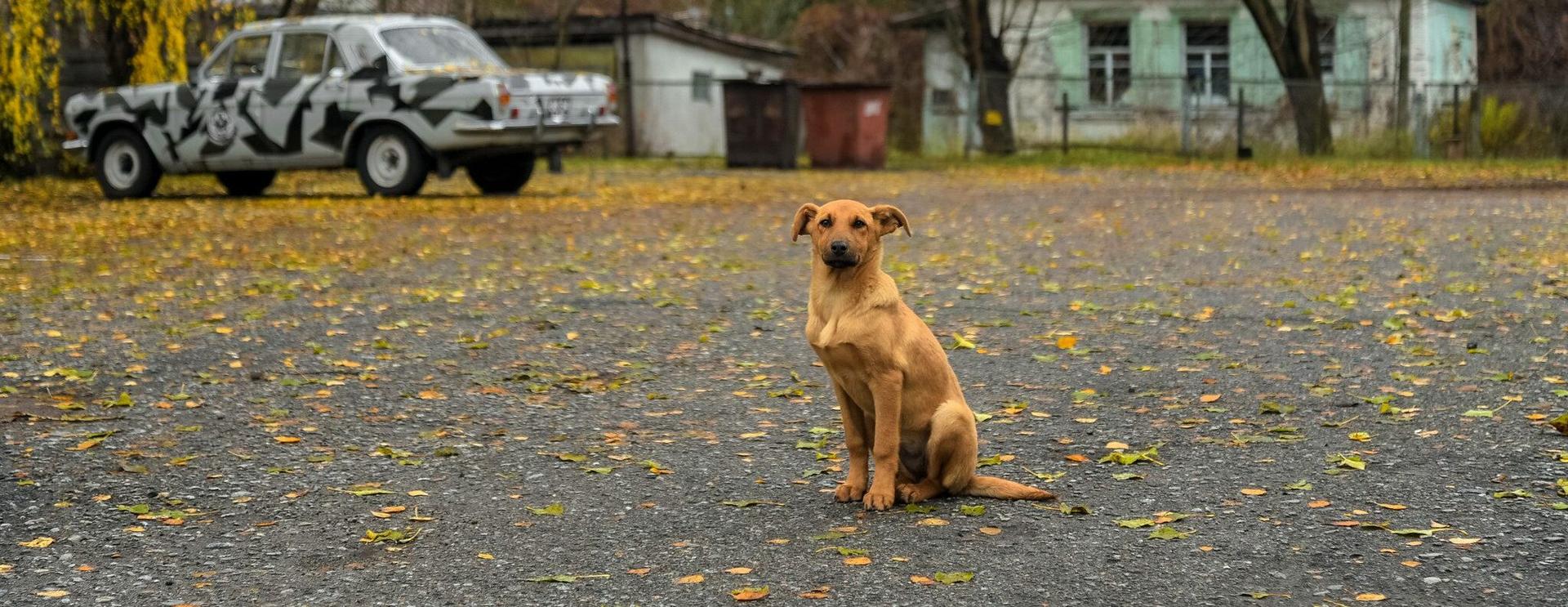
La Stampa places the blue-dog episode inside a broader research effort, describing Dogs of Chernobyl as active since 2017 and saying it manages “circa 700 cani randagi” living in the Chernobyl Exclusion Zone, an area of “circa 18 miglia quadrate” with limited human access.
It ties the dogs to the evacuation after the “Reattore numero 4, il 26 aprile 1986,” describing them as descendants of domestic dogs abandoned during that evacuation, and it says the program provides “cibo, cure veterinarie e campagne di sterilizzazione” while collecting genetic samples for research.
La Stampa then points to a 2023 study in Science Advances that analyzed the DNA of “302 cani selvatici” living inside and around the exclusion zone, and it reports that the researchers found “notevoli differenze genetiche” compared with dogs living “appena dieci miglia più lontano.”
The outlet quotes coauthor Elaine Ostrander to the New York Times, asking, “Hanno acquisito mutazioni che consentono loro di vivere e riprodursi con successo in questa regione? Quali sfide affrontano e come le hanno superate geneticamente?”
La Stampa also says the study “non ha dimostrato che le mutazioni siano causate dalle radiazioni” but “ha confermato che i cani di Chernobyl costituiscono una popolazione geneticamente distinta.”
It adds that further work by Norman J. Kleiman of Columbia University identified “due popolazioni geneticamente separate,” one near the plant and another in the city of Chernobyl, and it quotes Kleiman: “In qualche modo, due piccole popolazioni di cani sono riuscite a sopravvivere in quell’ambiente altamente tossico.”
Finally, La Stampa reports that in 2024 the team published an analysis of “116 cani semi-selvatici,” finding “quasi 400 outlier loci.”
Why the dogs matter
BuoneNotizie.it frames the Chernobyl dog research as evidence of genetic mutation and adaptation, describing “due pubblicazioni della University of South Carolina and National Human Genome Research Institute” that map canine populations across areas with different radiation impacts. It says researchers “hanno mappato le popolazioni di tre aree differenti per impatto da radiazioni” and “osservato i geni sottoposti a mutazione,” adding that these genes would be “in parte correlati alla risposta immunitaria alle radiazioni.” The outlet connects the work to the Chernobyl Dog Research Initiative, saying it opened in 2017 in response to an increase in the wild dog population that “aveva superato le 800 unità.”
It reports that researchers analyzed “302 cani” using samples collected over time from “l’istituto presente nella Centrale di Chernobyl” and from the “omonima città,” and it specifies that “132 cani campionati vivono dei dintorni della Centrale Nucleare.” BuoneNotizie.it also describes the comparative sampling locations, stating that part of the samples were collected from “Pripyat” and the “stazione ferroviaria di Semikhody,” and that samples from “Slavutych” were studied for comparison.
It then claims that the second publication found “circa 391 anomalie genetiche associate con la selezione diretta” and identified “52 geni oggetto di evoluzione genetica in risposta all’esposizione a radiazioni,” describing these genes as involved in “riparazione del DNA” and “risposta immunitaria.” The outlet’s stakes are framed as future risk management, saying the research provides “una base di partenza per trovare soluzioni applicabili alla gestione degli effetti nocivi sulla salute umana e animale di altre potenziali catastrofi ambientali nucleari.”