Technology and Science12 November, 20263 min read
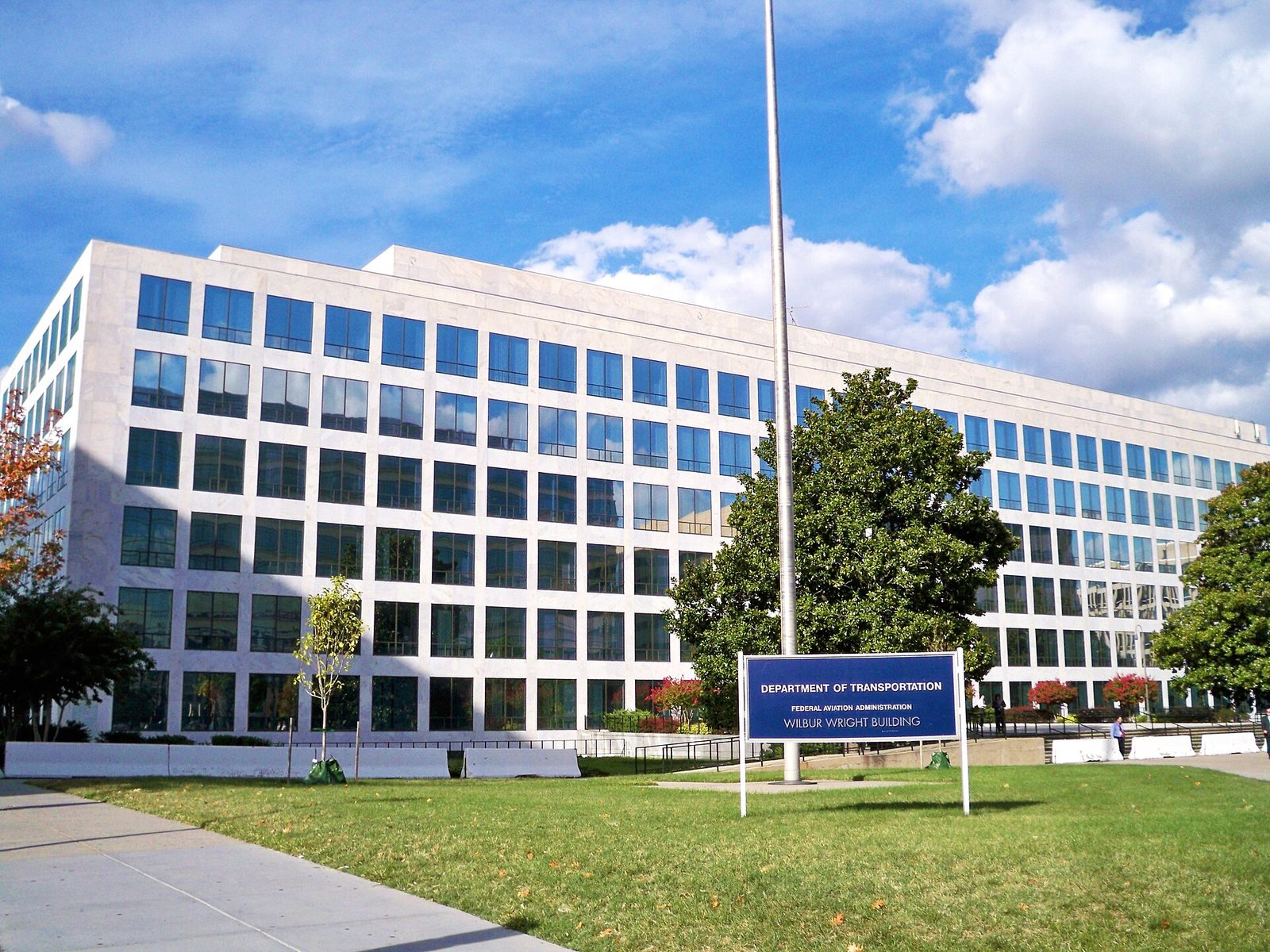
Archive photo · 21 September 2009FAA Expands SMART AI Advice Across Entire U.S. Airspace
“The FAA’s Nov. 10 announcement did not address the lawmakers’ questions about testing and training.”
“a human team of FAA specialists based in DC is ultimately responsible for validating the SMART system recommendations”
Photo: Matthew G. Bisanz, CC BY-SA 3.0 · Cropped for layout
This article is an automated aggregation of coverage from news outlets. Our editorials offer in-depth analysis curated by the NewsCord team.
SMART system expanded to all 22 air route traffic control centers nationwide. Aims to reduce delays and fuel consumption across air traffic management.
Save coverage image
Shared framing
The largest shared emphasis is the FAA’s expansion of its AI-supported SMART system to national air traffic operations. Another recurring line presents it as a tool for anticipating or managing congestion.
4 of 6 outlets · 4 of 6 headlines analysed
- Aviación Digital
extiende a todo Estados Unidos SMART
- El Ecosistema Startup
expande su IA SMART a los 22 centros de EEUU
- AVweb
Expands AI-Assisted Traffic Management Nationwide
See the headlines
FAA expands SMART across the national airspace network
Four matched headlines explicitly describe the FAA extending SMART across the national airspace or to its twenty-two control centres. They frame the development as a nationwide rollout.
- Aviación DigitalReporting · OngoingLa FAA extiende a todo Estados Unidos SMART, su sistema de IA para anticipar la congestión aérea y reducir retrasos
- El Ecosistema StartupReporting · OngoingFAA expande su IA SMART a los 22 centros de EEUU
- AVwebReporting · OngoingFAA Expands AI-Assisted Traffic Management Nationwide
- Ars TechnicaReporting · OngoingFAA expands AI advice to manage air traffic congestion across entire US airspace
Other angles in this collection
AI advice framed as a way to anticipate or manage congestion
3 outlets · 3 headlines
These headlines present SMART as helping anticipate or manage air traffic congestion, including an explicit reaction-to-prediction contrast.
- Aviación DigitalReporting · OngoingLa FAA extiende a todo Estados Unidos SMART, su sistema de IA para anticipar la congestión aérea y reducir retrasos
- سودافاكسReporting · OngoingArtificial intelligence enters the U.S. Air Traffic Management.. from reaction to prediction
Translated headline (ar).
الذكاء الاصطناعي يدخل إدارة الحركة الجوية الأمريكية.. من ردّ الفعل إلى التنبؤ
- Ars TechnicaReporting · OngoingFAA expands AI advice to manage air traffic congestion across entire US airspace
All 6 analysed headlines
- Aviación DigitalReporting · OngoingLa FAA extiende a todo Estados Unidos SMART, su sistema de IA para anticipar la congestión aérea y reducir retrasos
- El Ecosistema StartupReporting · OngoingFAA expande su IA SMART a los 22 centros de EEUU
- سودافاكسReporting · OngoingArtificial intelligence enters the U.S. Air Traffic Management.. from reaction to prediction
Translated headline (ar).
الذكاء الاصطناعي يدخل إدارة الحركة الجوية الأمريكية.. من ردّ الفعل إلى التنبؤ
- موقع 24Reporting · Ongoing"United" bans airline ticket reservations through AI agents
Translated headline (ar).
"يونايتد" تحظر حجز تذاكر الطيران عبر وكلاء الذكاء الاصطناعي
- AVwebReporting · OngoingFAA Expands AI-Assisted Traffic Management Nationwide
- Ars TechnicaReporting · OngoingFAA expands AI advice to manage air traffic congestion across entire US airspace
Counts describe this collection. One headline may support more than one angle.
Exclusions: Different event (1).
Analysed 13 Nov 2026.
Reviewed by Codex validator (AI) · 13 Nov 2026
SMART goes nationwide
The Federal Aviation Administration expanded its Strategic Management of Airspace, Routes and Trajectories, or SMART, to advise air traffic controllers across the entire national airspace system. The FAA said SMART has helped reroute 180 flights since it was implemented in airspace over Washington, DC, on September 21, and the agency claimed the system saved an average of 10 minutes per flight and almost 80 gallons of fuel per flight. The FAA described SMART as a cloud-based system that combines information about weather patterns, flight paths, traffic flow and controller staffing metrics to predict air traffic patterns and make scheduling recommendations, identify optimal flight routes, and determine the best order of arrivals.
The FAA said human specialists based in DC ultimately validate SMART recommendations before passing them along to air traffic control facilities across the country, and the system is designed to work alongside existing air traffic management rather than replace controllers. The FAA said the nationwide expansion follows an initial deployment in the Washington, D.C. area in September, and the system is now set to be used in the airspace of all 22 centers across the country.
Data, oversight, and pushback
The FAA said SMART combines approximately 200 data streams, including weather conditions, flight paths, traffic volumes and controller staffing information, to identify potential congestion before it develops.
AVweb said FAA specialists in Washington analyze the system’s data and forward scheduling recommendations to the Air Traffic Control System Command Center in Warrenton, Virginia, and local management at individual air traffic control facilities determines whether to implement them.
The FAA said controllers retain responsibility for aircraft separation, and the system’s recommendations are reviewed by specialists before being passed to air traffic control facilities.
More than two dozen lawmakers urged the FAA to suspend SMART’s initial rollout in an Oct. 9 letter, and the lawmakers asked for details about the system’s planned 90-day evaluation period and the standards required before nationwide deployment.
The lawmakers wrote, “Any upgrades and changes to ATC systems must be made with safety as the first priority,” and the FAA’s Nov. 10 announcement did not address the lawmakers’ questions about testing and training.
Airline booking limits
United Airlines barred AI agents from accessing its systems to complete flight bookings, and the company said the move aimed to protect customer data and reduce the risk of purchases or account changes being made inadvertently. United said it would revise its booking policies on its website, on external travel agency platforms, and on flight aggregator sites to prevent AI-powered personal assistants from completing bookings on behalf of customers. United said exposing login credentials or payment information to these tools could expose sensitive customer data to risk and lead to unintended purchases or changes to accounts without the owners’ consent.
United CEO Scott Kirby said in Chicago on Tuesday, “To be honest, I don’t want to create a new intermediary.” The decision allows AI agents to view United’s available flights and compare prices but prohibits them from completing bookings and payments on the company site, leaving the purchase process in the customer’s hands.