USA · 07 August, 2026 · 2 min read
FAA Orders Inspections Of 471 Boeing 737 Max Jets After Cracks Near Forward Galley Door
FAA orders inspections of 471 Boeing 737 MAX jets (MAX 8, MAX 9, MAX 8-200) Inspect for cracks in fuselage reinforcement around forward service door near galley
Whether the cause is explained and which underlying mechanism is cited.
10 of 12 outlets skipped it: boeing has not observed cracks on the 737 MAX fleet (but extended inspections anyway).
14outlets compared
Same story, two versions
tap a side to read it in full
Aerospace Global News
“trace the problem to high operating stresses in the fuselage skin and bear strap”Read the original ↗
The National
“It is working through engineering changes that would prevent such cracking, it added.”
Some outlets stress mechanism; others stay high-level on causation details.
FAA cracks directive
The US Federal Aviation Administration ordered inspections of Boeing 737 MAX aircraft after reports of cracks in a structural support near the upper corner of the aircraft's forward galley door, with the FAA estimating the directive would affect 471 jets made by the US company. The directive is to take effect on September 10, 2026, and it applies to in-service models of the new-generation Max jet including the 737-8, 737-9, and 737-8200 jets.
“The regulator said it estimated the directive would affect 471 jets made by the US company.”
The FAA said the cracks could spread to the fuselage and lead to the "inability of the principal structural element to sustain limit loads and adversely affect the structural integrity of the aereoplane". Boeing said it had been working with airlines over the past six years after identifying the issue, and it said the FAA-mandated checks stem from similar inspections for older generation 737NG jets in 2021.
Boeing and airlines
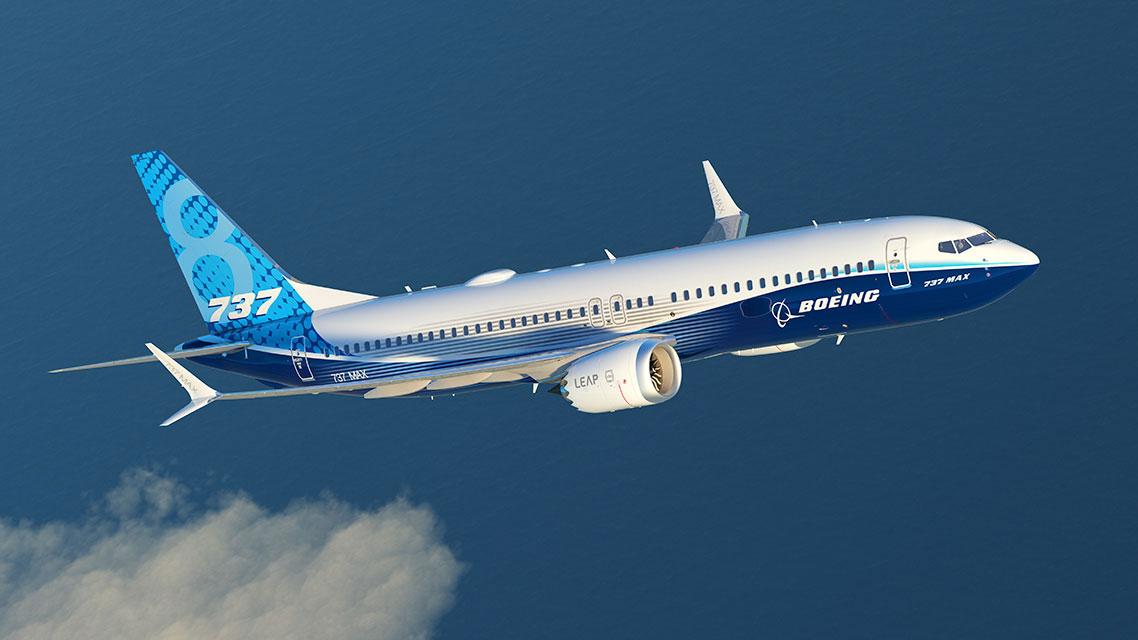
Boeing told The National that the directive "mandates the inspections, as it did for the 737 Next Generation," and a Boeing representative added that the issue "has not been observed on the 737 Max fleet" but Boeing extended the inspections because the model shares a similar design and build process. TIn a statement to CBS News, Southwest Airlines said it was "reviewing" the FAA's airworthiness directive and would accomplish the inspections on the affected airplanes according to the schedule specified by the FAA.
A United Airlines spokesperson told CBS News, "We don't anticipate any impact to our operations in the near term and will accomplish the inspections during heavy maintenance visits," adding that the timing would depend on when inspections are due. The FAA said the directive requires operators to inspect the fuselage skin for cracks and to make repairs as needed, while CNN reported the FAA did not order the aircraft grounded because the inspection intervals provide multiple chances to detect cracks before they could compromise structural integrity.

Costs and timeline
The FAA estimated that the initial visual inspection will require one work-hour and cost approximately $85 per aircraft, resulting in an estimated fleet cost of $40,035 across the 471 affected US aircraft. For follow-up work, the FAA said more detailed visual and eddy-current inspections could require up to 4 work-hours, costing up to $340 per aircraft per inspection cycle, with an estimated maximum cost to US operators of $160,140 per cycle.
“The FAA estimates that the initial visual inspection will require one work-hour and cost approximately $85 per aircraft.”
The directive sets a compliance timeline tied to usage, and The Seattle Times reported the compliance time for those required inspections ranges from 3,000 to 30,000 flight cycles, with the FAA saying the schedule ensures any crack is detected and repaired before it reaches a "critical length". The FAA also said it lacked sufficient information to calculate the potential cost of repairing cracks or conducting alternative inspections, while the directive applies only to aircraft identified in Boeing’s requirements bulletin and does not cover every 737 MAX built.