Business16 October, 20252 min read
Families Sue Boeing for Manufacturing Defects That Caused Deadly Jeju Air Crash Killing 179
This article is an automated aggregation of coverage from news outlets. Our editorials offer in-depth analysis curated by the NewsCord team.
Families of 14 victims filed a lawsuit against Boeing in Seattle's King County Superior Court Lawsuit alleges outdated electrical and hydraulic systems caused the December 2024 crash

7 outlets told this the same way.
Jeju Air Crash Lawsuits
Families of victims from the December Jeju Air disaster that killed 179 people are suing Boeing in U.S. courts, alleging that manufacturing defects caused the crash. West Asian outlets report the lawsuits were filed in Seattle and Illinois on behalf of 14 families, asserting that outdated electrical and hydraulic systems interfered with landing as the aircraft overshot the runway during an emergency belly landing at Muan International Airport and caught fire.
“Families of victims from a December Jeju Air crash that killed 179 people are suing Boeing in U.S. courts, alleging manufacturing defects caused the accident.”
Another outlet adds a more detailed sequence: a bird strike shut down the left engine, backup safety systems failed, the crew attempted a go-around, and cascading failures—including landing gear and braking system problems—led to a high-speed overrun into a concrete berm and a massive fireball that killed everyone on board. Boeing is accused of deflecting blame onto the pilots instead of taking responsibility, according to multiple reports.
Boeing Lawsuits and System Failures
The lawsuits contend Boeing’s legacy designs and system failures directly contributed to the catastrophe. One complaint, filed by the Herrmann Law Group, alleges that Boeing’s safety systems—originally designed in the 1960s—were not modernized. The complaint states that electrical and hydraulic failures, along with the loss of flight data recorders, played a pivotal role.
West Asian reporting echoes the allegation that outdated electrical and hydraulic systems interfered with the landing. Multiple sources state that Boeing has been accused of deflecting blame onto the deceased pilots rather than accepting responsibility.
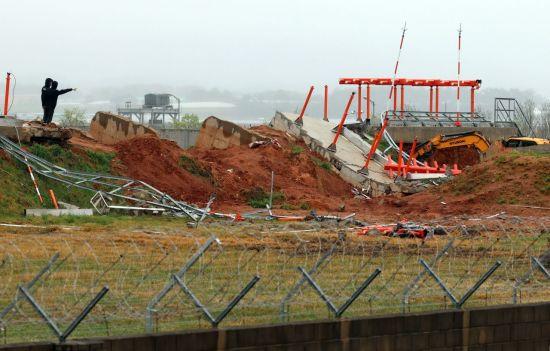
Aircraft Crash Details and Outcome
Accounts differ on the precise crash sequence. One report details a bird strike that shut down the left engine, failed backups, a go‑around attempt, and subsequent landing gear and braking system failures that forced a high‑speed landing, runway excursion, impact with a concrete berm, and a fireball.
“Jeju Air Flight 2216 crashed on December 29, 2024, at Muan International Airport after a bird strike caused the left engine to shut down and backup safety systems to fail.”
Another describes the aircraft overshooting the runway during an emergency belly landing at Muan International Airport, resulting in a fire. Despite the divergence in specifics, all agree on the deadly outcome—179 fatalities—and that alleged system shortcomings are central to the families’ case against Boeing.
Legal Actions and Media Coverage
The lawsuits are filed in Seattle and Illinois and involve law firms representing 14 families. One of the filings is associated with the Herrmann Law Group and demands accountability and updates to critical safety systems across the industry. The filing alleges that Boeing's failure to modernize outdated systems directly contributed to the disaster.
It also claims that the company shifted blame onto the pilots involved. There are noticeable gaps in coverage among some media outlets, which did not provide substantial reporting on this incident. This highlights inconsistent public reporting across different news channels.