Business16 October, 20252 min read
Trump Imposes 50% Tariffs, Crushing India’s Exports to US by 37.5% in Four Months
This article is an automated aggregation of coverage from news outlets. Our editorials offer in-depth analysis curated by the NewsCord team.
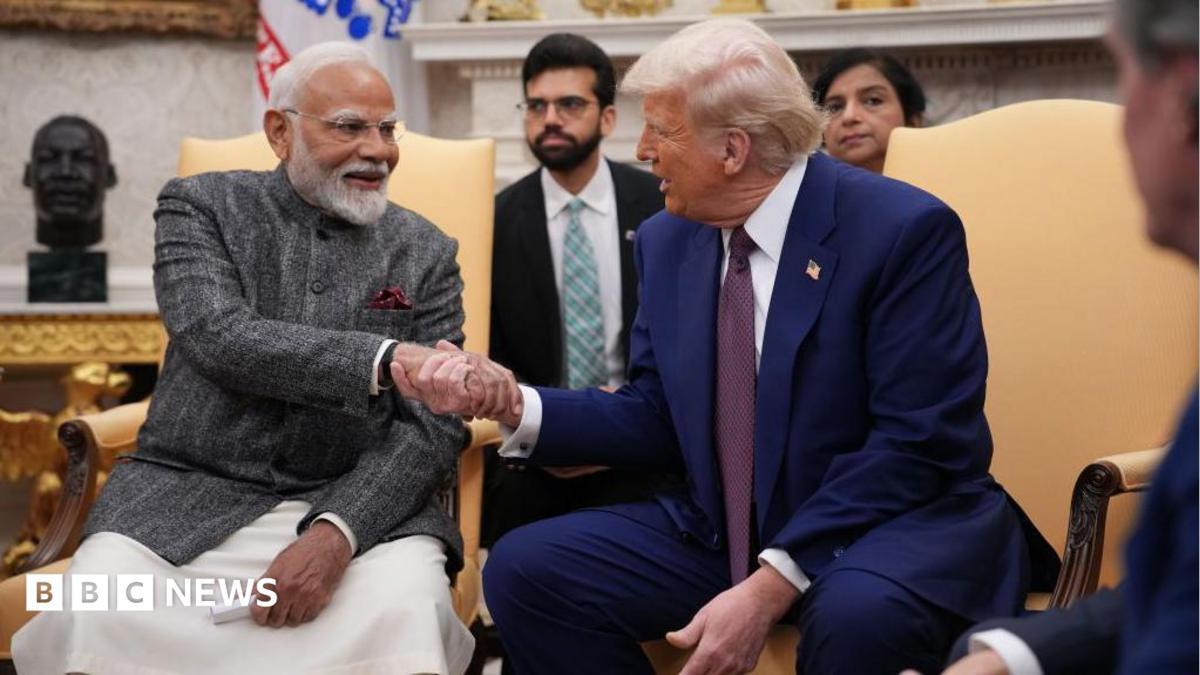
India’s exports to the US dropped nearly 40% over four months after tariffs began US imposed 50% tariffs on Indian goods starting August 27, including a 25% penalty
5 outlets told this the same way.
Impact of US Tariffs on India-US Trade
India’s exports to the United States have plunged since late August after the US moved to fully implement steep tariffs. These tariffs include a 50% general import tariff plus an additional 25% penalty related to India’s continued purchases of Russian oil. Both Business Matters and Arise News report a nearly 40% drop in exports over four months and a 20% fall in September alone.
“India’s goods exports to the US have sharply declined following the full implementation of Washington’s 50% import tariffs introduced on August 27, which include an additional 25% penalty linked to India’s continued purchases of Russian oil.”
Labor-intensive sectors such as textiles, gems and jewelry, engineering goods, and chemicals have been hit hardest by the decline. The drop in exports helped push India’s merchandise trade deficit to a 13-month high of $32.15 billion in September. Arise News traces the monthly trade deficit slide from $8.8 billion in May to $5.5 billion in September.
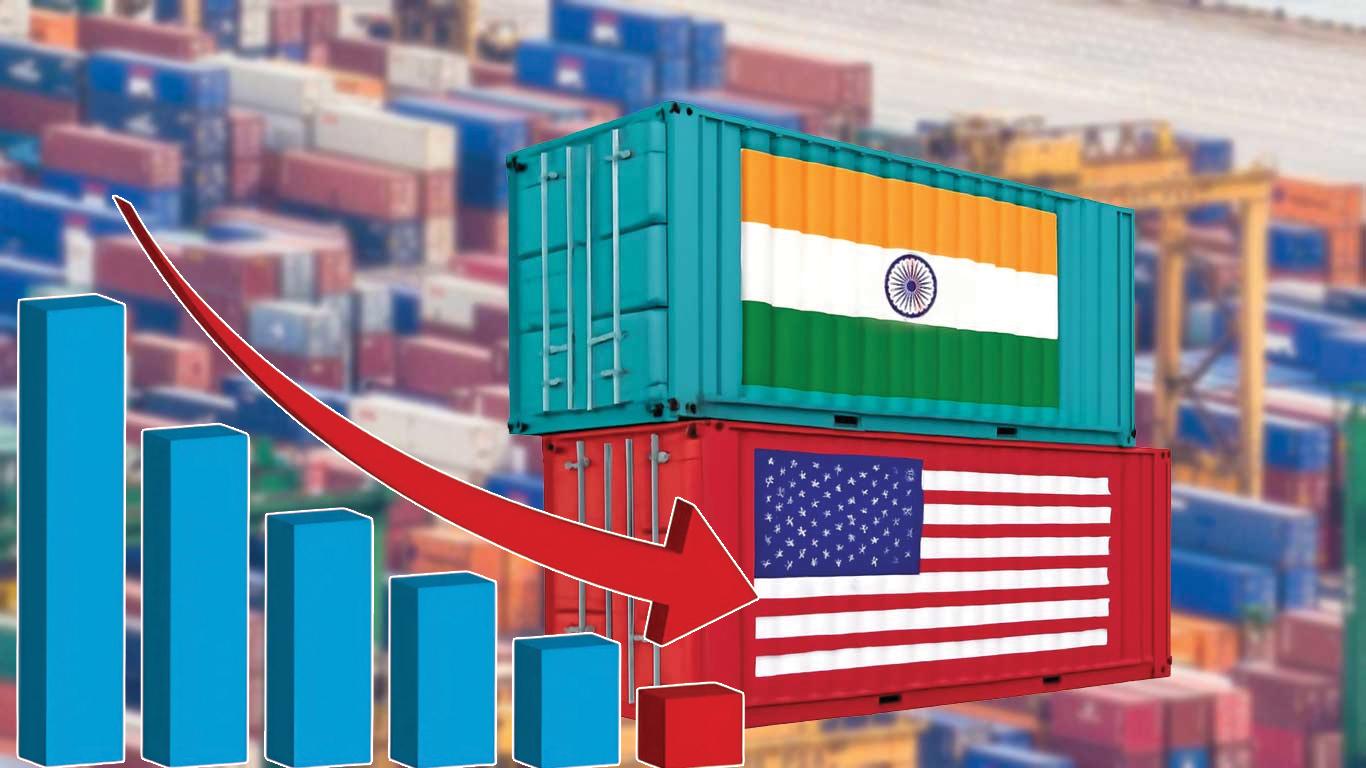
Business Matters emphasizes that the tariffs have significantly strained what had been a $190 billion bilateral trade relationship in 2024. KNN India, by contrast, provides no article on this topic in the supplied text, highlighting a gap in coverage across sources.
Impact of Tariff Shock on Trade
Both Business Matters and Arise News agree that the tariff shock coincided with late-August implementation. Arise News quantifies the monthly drop in exports from $8.8 billion in May to $5.5 billion in September. Business Matters emphasizes the four-month plunge of nearly 40% and the 20% collapse in September.
Each source stresses that labor-intensive export segments have been severely impacted. Both note a partial diversion of shipments toward the UAE and China, even as the US remains the most affected market. The trade deficit spike to $32.15 billion highlights the growing macroeconomic pressure alongside sector-specific difficulties.
US-India Trade and Energy Tensions
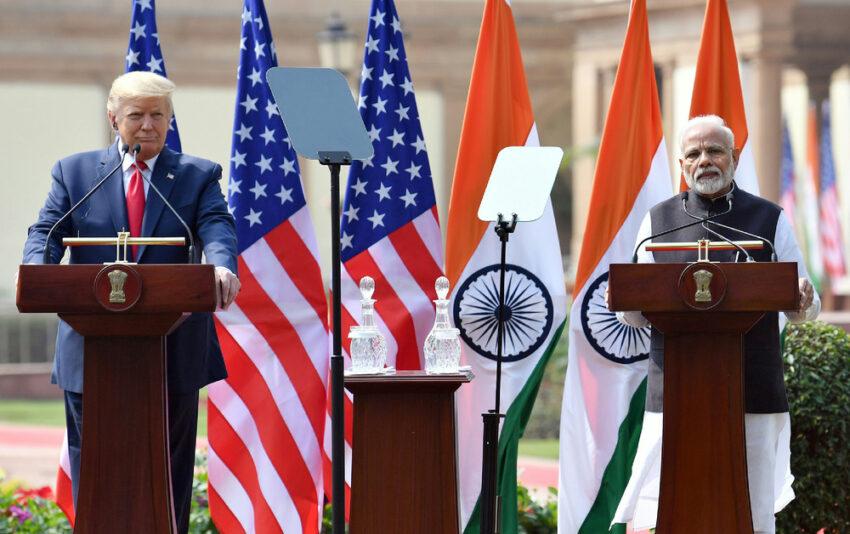
Business Matters reports that the tariffs are a Trump administration effort to penalize India for its energy connections with Russia. The tariffs aim to force greater US access to India’s protected agricultural markets, which New Delhi resists due to concerns over food security and rural livelihoods. Arise News agrees on the tariff structure, noting a 50% general tariff plus a 25% penalty linked to Russia.
“The tariffs are part of the Trump administration’s effort to penalize India for its energy ties with Russia and to push for greater US access to India’s protected agricultural markets—a demand India resists due to food security and rural livelihood concerns.”
Arise News also mentions that trade talks between the US and India have restarted after previous delays. Business Matters expands the geopolitical context by highlighting Britain’s new sanctions targeting Russian oil exports involving India and China. These British sanctions suggest additional external pressures on India’s energy trade beyond the US tariff measures.
India-UK Trade Dispute Impact
Looking ahead, Business Matters relays expert warnings that the tariff shock could inflict long‑term damage on India’s export sectors and investment climate amid weakening global demand. It stresses that the coming weeks are critical to determine whether the two governments can resolve their dispute or face a prolonged standoff.
Arise News underscores immediate fallout—sectoral pain and job concerns—while noting talks have restarted, indicating an opening for de‑escalation despite current losses and a widened trade deficit. The combination of punitive tariff design, Russia‑linked penalties, and parallel UK sanctions suggests sustained pressure around India’s energy‑trade posture even as New Delhi seeks concessions to blunt the impact.