Technology and Science18 September, 20262 min read
FBI And U.S. Coast Guard Board Hacked Tankers Bound For Galveston, Texas
This article is an automated aggregation of coverage from news outlets. Our editorials offer in-depth analysis curated by the NewsCord team.
Two Liberian-flagged oil tankers bound for Texas boarded by FBI and Coast Guard after cyberattacks. Investigations found foreign cyber actors compromised networks, affecting propulsion, navigation, and cargo systems.

5 outlets told this the same way.
Two tankers boarded
U.S. Coast Guard personnel and FBI agents boarded two Texas-bound energy tankers after cyberattacks struck the vessels while they were traveling toward the United States, and U.S. officials said investigators found indications the networks had been compromised by “foreign cyber actors.”
The first vessel was the Liberian-flagged VL Prosperity, a 1,093-foot crude oil tanker headed to Galveston, Texas, which Iranian state media identified and claimed hackers gained access to propulsion, navigation and cargo systems and knocked out communications for 30 hours.
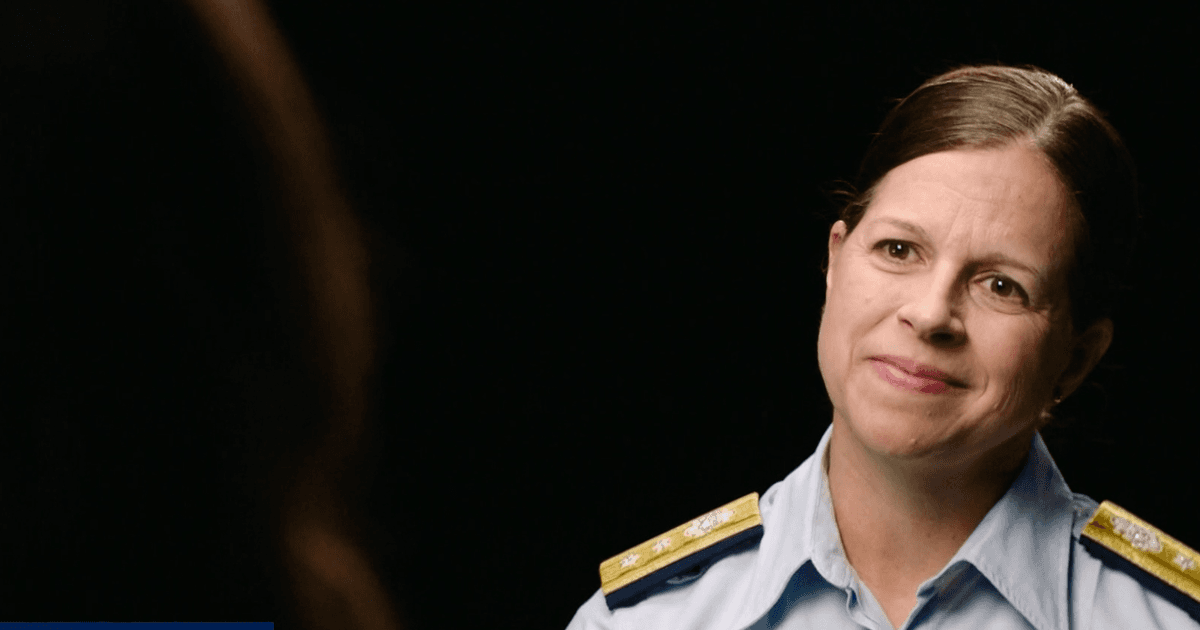
CBS News reported that Rear Adm. Amy Grable said investigators “did find evidence of a malicious cyber actor” after assessing the information technology and other systems on board the vessel.
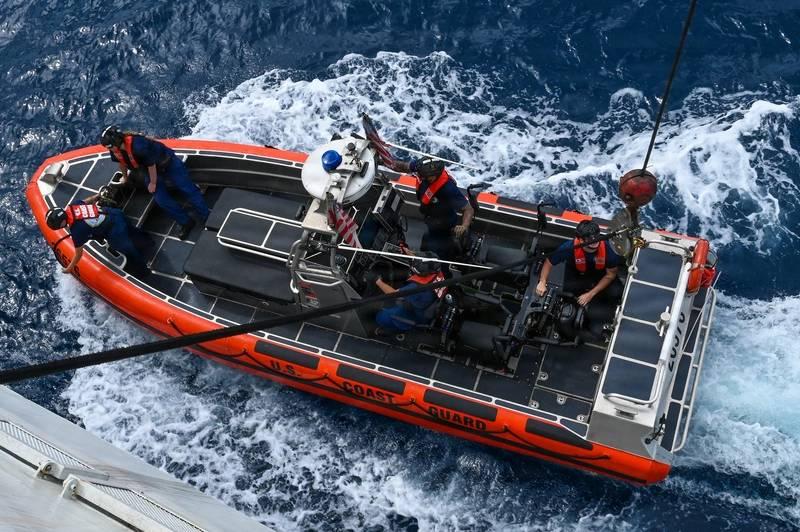
In a separate account, TechCrunch said the agencies boarded the vessels in the Gulf of Mexico between August 21 and August 24 to “ensure integrity of the vessel’s operational and information technology systems following indications that the networks of both vessels were compromised.”
Competing accounts of attribution
The Coast Guard has not publicly pinned the attacks on Iran, but Iranian state media claimed hackers seized control of propulsion, navigation, cargo, and communications systems, and Mehr News Agency reported the ship suffered a “major cyberattack” on August 7 while transiting the Strait of Gibraltar. CBS News quoted Rob Lee, CEO of Dragos, saying the Iranian report’s details were technically plausible and that “Everything they're saying is very realistic.”
At the same time, Security Affairs framed the risk in terms of what investigators found and what could happen next, quoting Grable warning that when “they’re highly connected, they’re susceptible to cyber threats.” Security Affairs also reported that response teams did not find any evidence indicating the ship had become unsafe to navigate when they boarded it, while the U.S. was still working to determine whether the two cyberattacks were connected and whether Iran or another foreign adversary was behind them.
Risk to ports and commerce
Grable told CBS News that the real concern was “those IT systems being connected to other systems on the ship that control propulsion, navigation and other systems that are critical to the safety of that vessel.” She warned that an attack could lead to “a vessel blocking a waterway or a pollution incident or any other number of safety and security hazards to our ports and waterways.”
CBS News said the potential economic impact was “colossal,” with Grable stating that $5.4 trillion in commerce flows through U.S. ports annually and that even a small delay could follow if a port had to shift to manual operations. Security Affairs echoed the same fear of operational disruption near American ports, quoting Grable that authorities were worried about “a collision, an explosion, anything that blocks the channel for other vessels to safely enter and exit the port, pollution incidents.”