Business · 26 May, 2026 · 3 min read
Ferrari Lets Journalists Test Luce Prototype, With 530 Km Range And 320 kW Power
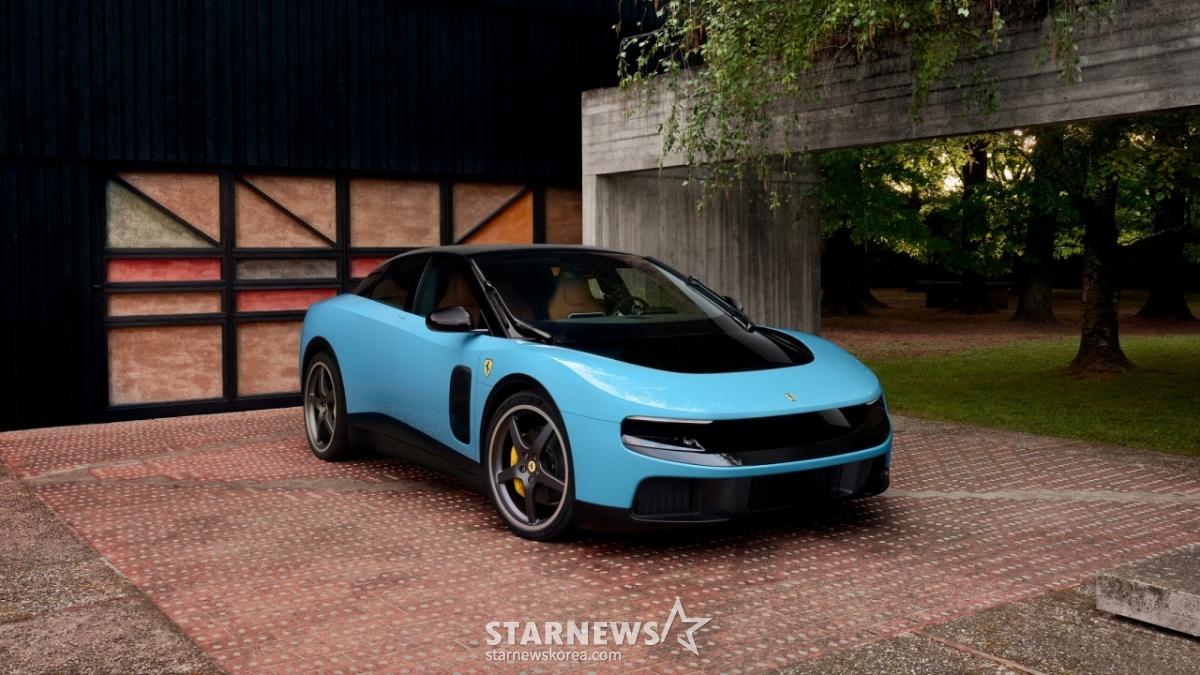
Luce is Ferrari's first all-electric four-door sedan designed by Ive and Newson. Journalists tested a Luce prototype, offering early impressions of its interior and exterior design.
Sales success is presented as confirmed meeting goals, sourced to FT.
10 of 12 outlets skipped it: first production Luce, chassis 0, is auctioned Aug 14.
35outlets compared
Same story, two versions
tap a side to read it in full
The Verge
“their sources say US tech entrepreneurs have had “positive” feedback on the €550,000 EV.”Read the original ↗
Tech-elite sales claims rely on unnamed FT sources, while reviews quote named testers, skewing authority.
Luce’s first test impressions
Ferrari allowed a limited group of international journalists and creators to drive the Luce, its first electric car, in a prototype form fully camouflaged on a private circuit with engineers from Maranello.
“Tra questi, lo YouTuber americano Marques Brownlee per Auto Focus e Jason Barlow di Top Gear”
Among the testers were YouTuber Marques Brownlee for Auto Focus and Jason Barlow of Top Gear, who said the car could mask the typical weight of a high-performance electric and that “la sensazione è quella di stare su una Purosangue elettrificata”, as Barlow put it.

In the Range mode, Ferrari’s Luce uses rear-wheel drive with about 530 km of declared autonomy and a maximum power of 320 kW, while Tour switches to all-wheel drive and raises power to 460 kW.
Performance makes all 725 kW available, described as equivalent to over 1.000 CV, with 0 to 100 km/h in about 2,5 seconds, and the testers said Tour already delivers more than enough for road driving while Performance “trasforma completamente il carattere della vettura.”
The test also highlighted active suspension work, with the Luce using torque vectoring, four electric motors, and active suspensions that can intervene up to 200 times per second, aiming to keep the car stable and predictable.
Sound, steering, and paddles
InsideEVs said the Luce’s reviews are “pretty spectacular” after an embargo lifted on initial test drives of a late-stage prototype, arguing that despite criticism of the design, “it actually seems pretty great.”I
MotorTrend’s European Editor Angus MacKenzie praised the way the Luce “dances down the road,” calling its responses “fluid and concise” and its steering “light and linear,” while Top Gear’s Jason Barlow said, “It slides like a Ferrari.”
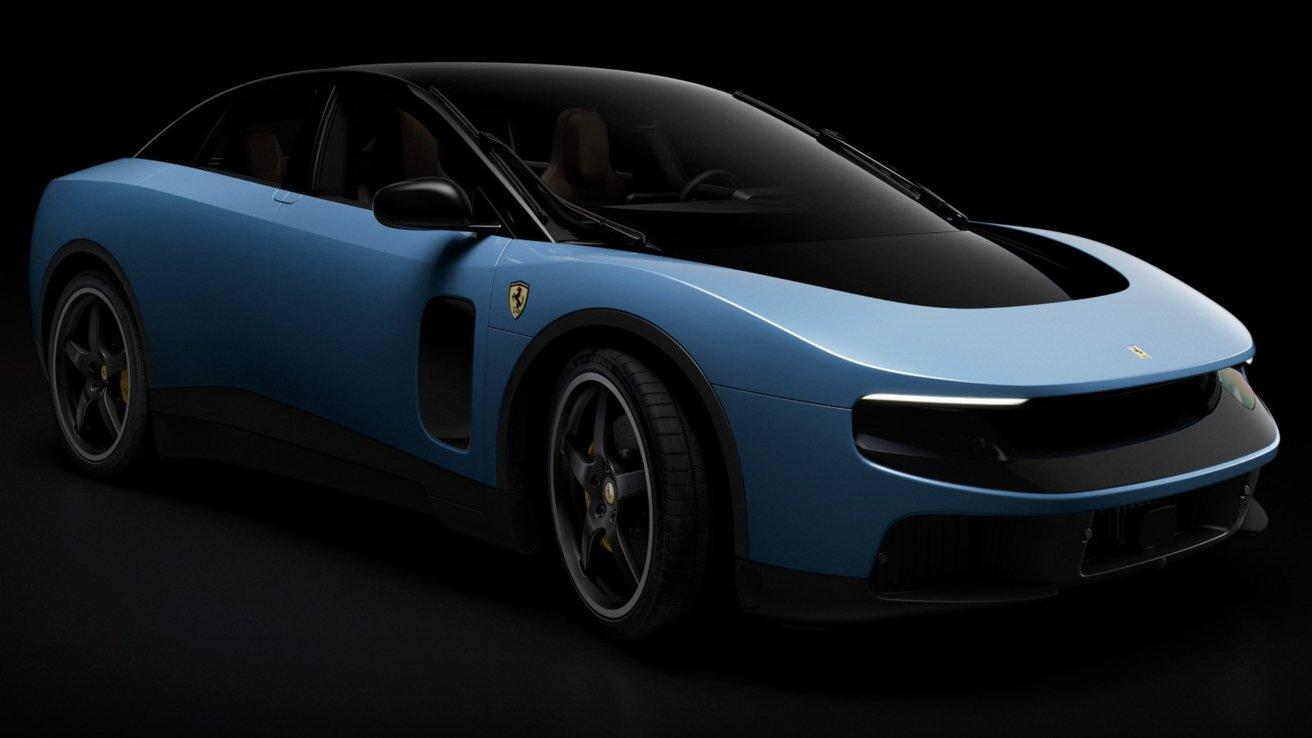
The Verge’s report framed Ferrari’s Luce as having “at least 500 fans,” citing the Financial Times that Ferrari was aiming to sell “just under 500” units this year and reached that target this month.T
On the driving controls, Automoto.it described how the Luce’s paddle shifters do not reproduce virtual gears, instead managing torque and regenerative braking, with a “scala” before a curve and a “sale di marcia” in exit.
Automobile Propre added that Ferrari’s approach uses a high-precision accelerometer on the rear axle to capture mechanical vibrations and then equalize and amplify them so they can be heard in the cabin, with Benedetto Vigna explaining the “five generators of emotion” that include sound.
Sales target and auction
Multiple outlets tied the Luce’s early commercial momentum to the Financial Times, with Il Messaggero saying Ferrari reportedly reached its 2026 sales targets by aiming to sell “just under 500” units and setting a long-term goal of about 2,500 by 2030.
“aimed to sell just under 500 units of the car this year”
L’Automobile Magazine reported that the Financial Times cited two people close to the dossier and said Ferrari would have reached its sales objective for the Luce in 2026 in less than two months, with the internal target described as “un peu moins de 500 exemplaires.”
The Verge added that Ferrari was trying to “reach a new generation of wealthy buyers” with the Luce, particularly in China and “tech hubs like Silicon Valley,” and it said US tech entrepreneurs gave “positive” feedback on the €550,000 EV.T
Separately, Portail officiel des Îles de la Madeleine said the very first production Ferrari Luce, nicknamed “Chassis 0,” would be auctioned on August 14 at Monterey Car Week by RM Sotheby’s, with Ferrari valuing it at more than €800,000.
That same local report said 100% of the sale proceeds would be donated to The Ferrari Foundation, while it also quoted former Ferrari chairman and CEO Luca Cordero di Montezemolo warning the Luce risked “destroying a myth,” and said Ferrari’s CEO Benedetto Vigna defended the strategy by saying the Luce is already drawing strong interest from new customers.