Technology and Scienceupdated 56m ago3 min read
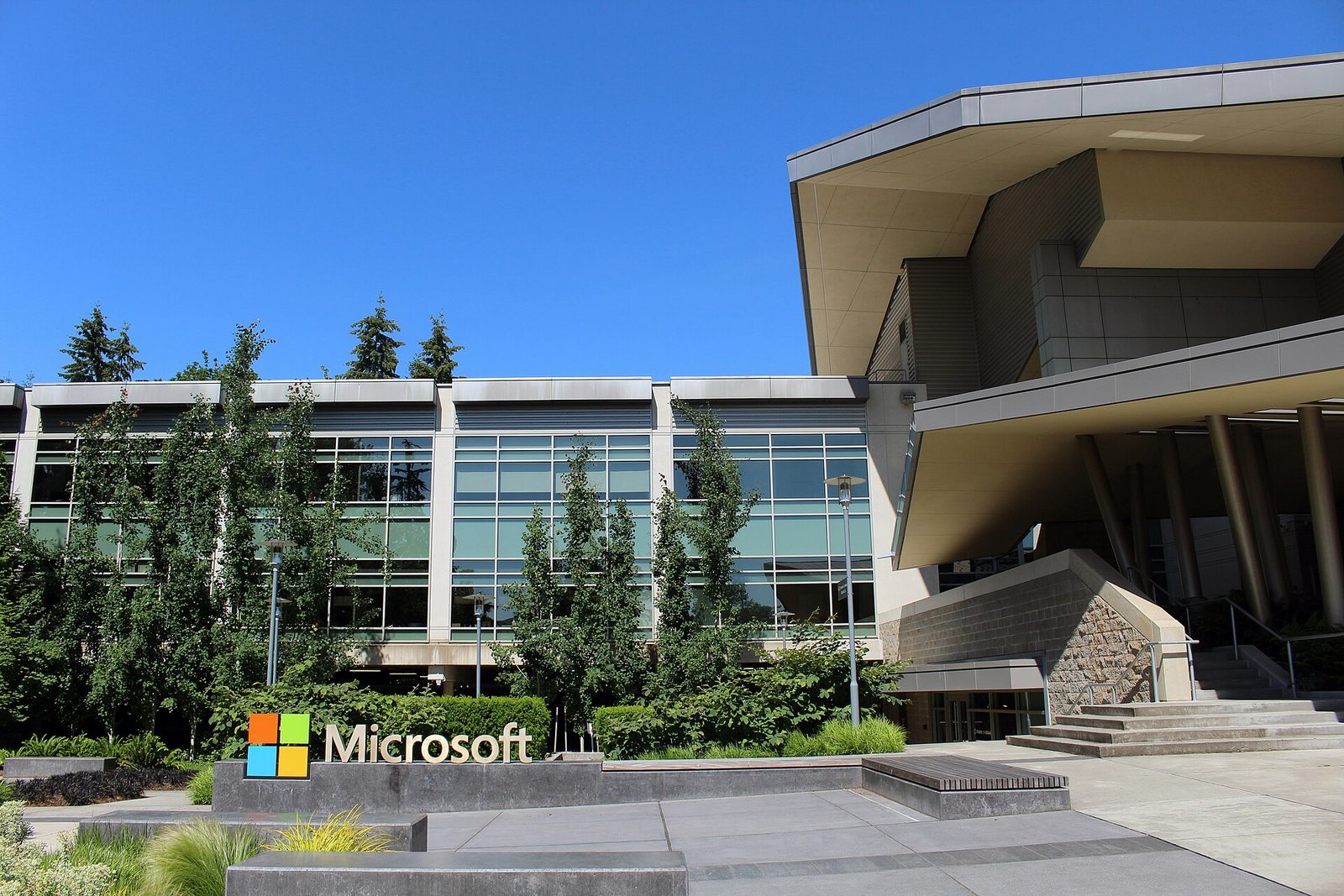
Archive photo · 30 May 2016Microsoft Offers Voluntary Buyouts To 60,000 Employees In Canada, India, UK, And United States
10 Western Mainstream5 Other1 Local WesternPhoto: Coolcaesar, CC BY-SA 4.0 · Cropped for layout
This article is an automated aggregation of coverage from news outlets. Our editorials offer in-depth analysis curated by the NewsCord team.
About 60,000 employees eligible for voluntary exit in US, Canada, India, and UK. Participants receive severance packages and career-planning resources.
16 outlets told this the same way.
Buyouts for 60,000
Microsoft offered voluntary buyouts to 60,000 employees, or about 27% of its global workforce, as the company spends heavily on artificial intelligence. Amy Coleman wrote in a blog post that “The Voluntary Exit Offer is new for us,” and she said Microsoft would “keep helping people focus on the work that matters most, build new skills and, where it makes sense, find new opportunities across Microsoft.” Microsoft said the voluntary exit offer was available to eligible employees in Canada, India, the United Kingdom and the United States, and the company said employees must be at the vice president level or below to qualify.
Microsoft reported it had approximately 223,000 full-time employees at the end of June, and it said the buyout program was a limited period of time. Microsoft’s plan also followed earlier workforce reductions, including a July cut of 4,800 jobs, about 2.1% of its global workforce, and a May plan to offer buyouts to about 8,750 people in the United States.

How the offer works
Amy Coleman told employees in a memo that the buyout offer gives eligible workers “a new choice to make that transition now with support,” and Microsoft said the effort reflects “creating greater flexibility” in how it manages change. Microsoft’s buyout offers are individualized based on an employee’s level, location, and tenure, and employees at internal levels 64 and below were offered one week of base pay per six months of service. Employees at levels 65 to 67 were offered two weeks of base pay per six months of service, and buyout offers also include continued regular stock vesting and health insurance.
Microsoft told Business Insider that eligible employees will have until early December to decide whether to take the offer and exit at the end of the year, and a Microsoft spokesperson said there are no plans for another buyout at this time. CNBC reported that Microsoft’s exit program is available to eligible employees in the United States, Canada, India and the United Kingdom at its experience level of 70 or below, and it said the company expects to spend heavily on AI infrastructure and data centers.

AI spending and costs
Microsoft’s buyout offer arrived as the company continues investing in artificial intelligence infrastructure, with Chief Financial Officer Amy Hood saying in a July earnings call that Microsoft expects to spend $175 billion on AI infrastructure in 2026 alone. Microsoft’s voluntary buyouts were announced as the company spends heavily on artificial intelligence, and the gusher of investment in data centers, likely topping $700 billion this year, has made memory chips, computer processors and other equipment, as well as electricity, more expensive. Microsoft’s capital expenditures for the September quarter should exceed $50 billion, and in the same quarter a year ago capital spending and finance leases came to $34.9 billion.
Ars Technica reported that Microsoft’s voluntary buyouts come as the company has spent the last several years managing costs amid investment in AI infrastructure and data-center buildout, and it said Microsoft will extend the voluntary exit offer to qualifying employees in the United States, India, Canada, and the United Kingdom. Microsoft’s workforce reductions this year included a July announcement that it was cutting 4,800 jobs, about 2.1% of its global workforce, and Microsoft said the buyout program is not a replacement for layoffs, which will remain part of the company’s approach depending on business conditions.