Technology and Science13 August, 20263 min read
Flock Safety Mandates Safeguards For Police License Plate Data Access Starting Jan. 1
This article is an automated aggregation of coverage from news outlets. Our editorials offer in-depth analysis curated by the NewsCord team.
Flock will require new anti-abuse safeguards across its license-plate-reader network. Officers must tie every vehicle search to a specific data access request.
Flock tightens access rules
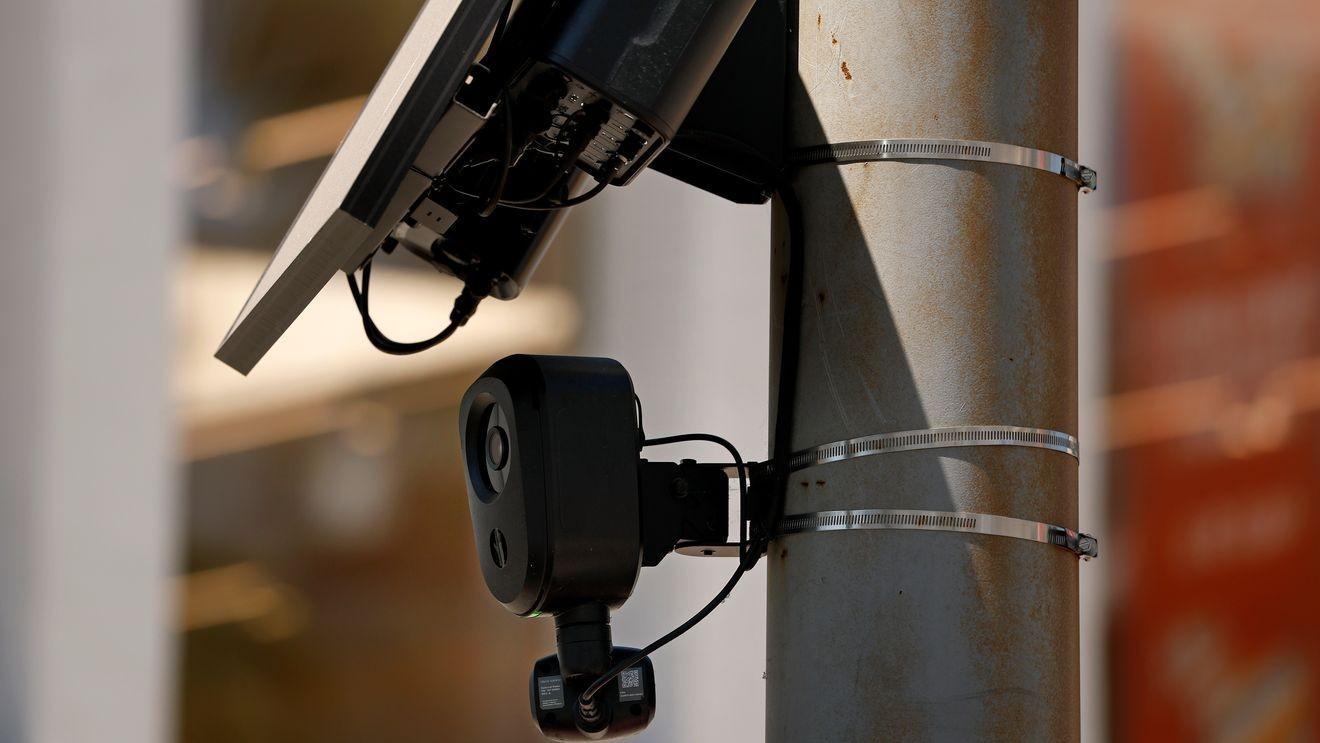
Flock Safety said it would change how law enforcement agencies could use its automated license plate-reading cameras after growing concerns about police access to surveillance data, with safeguards becoming mandatory for customers beginning Jan. 1.
Flock CEO Garrett Langley said the company would require an auditing system to detect unusual or potentially abusive searches, and when the system identifies abnormal behavior, the officer will be locked out while the activity is reviewed.
The company also said it would shorten its standard data-retention period from 30 days to seven days, while information tied to criminal investigations could still be kept longer.
Langley said officers would be required to enter a case number before conducting searches, and emergency searches would be automatically flagged for review.
The changes come as communities across California debate the balance between public safety and privacy, with police departments and sheriff’s offices in Sacramento, Elk Grove, Folsom, Galt, Placer County and Yolo County using Flock cameras and Grass Valley stopping use indefinitely this week.
Abuse allegations drive reforms
The reforms follow reporting and investigations into police misuse of plate-reader systems, including officers accused of using the system for personal surveillance and tracking romantic interests. The Washington Post identified at least 50 officers accused, charged or convicted of misusing Flock or other plate-reader systems, including officers tracking girlfriends, ex-wives and other romantic interests. Flock said it would deploy its automated auditing system across all law-enforcement customers to flag unusual searches, after the auditing system had previously been enabled by only about one-third of agencies using the platform.
Flock also said it would reduce how long vehicle-location data is retained, with the default retention period dropping from 30 days to seven days and longer retention possible through a new “Evidence Mode” with governing-body approval. In response to the backlash, the Associated Press reported that the American Civil Liberties Union characterized some updates as “retreads” and Institute for Justice attorney Robert Frommer called the changes “window dressing” from a company in “panic mode.”
Privacy, oversight, and courts
Flock’s network is described as operating in thousands of communities nationwide and, in one account, as including roughly 120,000 cameras and producing about 20 billion plate scans per month. Critics argue that even with safeguards, the technology’s scale and the role of officers in deciding who and when to search can still enable abuse, and the Associated Press quoted Robert Frommer saying the issue is that “police officers are the ones deciding who and when to search.” Andrew Guthrie Ferguson, a professor at the George Washington University Law School, said the shifts were “better than the opposite” but called for further scrutiny through “sustained democratic engagement with the rules and judicial checks on access at a minimum.”
In parallel, the Sacramento Bee reported that a review by DeFlock Elk Grove found more than 3,600 organizations searched Elk Grove residents’ license plate data more than 8.3 million times between 2021 and March 2026. The debate over constitutional privacy protections continues as Newsweek framed the Fourth Amendment question around whether large-scale ALPR systems can reconstruct “a person's movements and daily routines,” even as it noted that “no court has definitively ruled that Flock cameras are unconstitutional.”