Technology and Scienceupdated 1h ago2 min read
Archive photo · 13 April 2021Ford Makes Fathom EV Pickup A Sub-$30,000 Home Backup Battery With Built-In Inverter
“Today, most EVs sold in the U.S. lack that capability, instead requiring a DC-to-AC inverter device connected to the home.”
“Ford is aiming for an estimated $3,123 — a roughly 40 percent reduction”
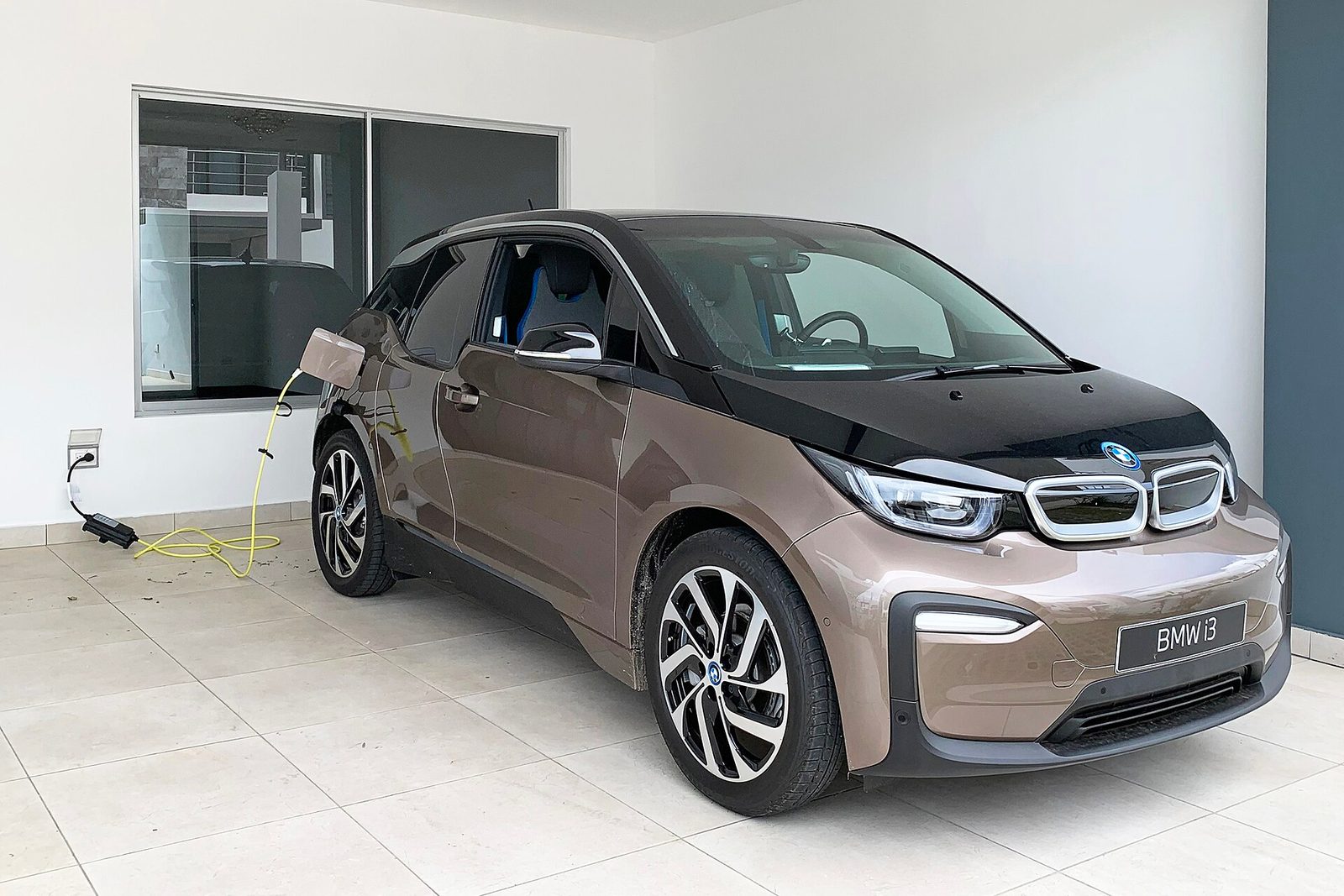
Photo: Mariordo (Mario Roberto Durán Ortiz), CC BY-SA 4.0 · Cropped for layout
This article is an automated aggregation of coverage from news outlets. Our editorials offer in-depth analysis curated by the NewsCord team.
Fathom price starts under $30,000, targeting affordable home backup power. Bidirectional charging with built-in inverter powers home without external equipment.
Fathom adds inverter onboard
Ford said its forthcoming Fathom electric pickup will integrate the inverter into the truck from the start, so every Fathom can act as a backup battery for a home. The Fathom is a sub-$30,000 electric pickup truck due next year, and it contrasted the approach with vehicle-to-home technology that previously relied on an inverter built into a wallbox.
The Fathom set a starting price of $28,350 sometime next year and the Fathom will be able to send power back to homes it is plugged into without the same costly power-conversion tech that other bidirectional-capable EVs require. Ford aims to remove the cost obstacle of expensive bidirectional chargers by using an onboard inverter that converts the truck’s direct-current battery power to home-ready alternating current and delivers it via cheaper equipment.
Cheaper equipment and standards
Ford’s plan ties the lower home-power cost to specific equipment pricing, with Canary Media saying the new AC-capable bidirectional charger compatible with the Fathom will be roughly half the $1,300 price of the Ford Charge Station Pro. The Home Power Station will cost around $650, about 50% less than its first-generation bidirectional charger, and the Home Backup Power package will cost around $2,100, about 60% less than its first-generation product.
Ford’s system uses communications technology from a tech standard certified by SAE International called SAE J3068, and it named University of Delaware professor Willett Kempton as the leader of the development of the AC bidirectional charging capabilities for the J3068 standard. MotorTrend said Ford’s system is designed to meet all applicable UL 1741 requirements and comply with IEEE 1547 interconnection standards, and it described the approach as fewer parts with an inverter built into the truck’s E-box.
Utility working group and rollout
Ford said it formed a working group in July with American Electric Power, BC Hydro, Consumers Energy, Exelon, and Pacific Gas and Electric to make it easier for customers to connect bidirectional EVs before the Fathom arrives next year. Ford’s solution to utility red tape was to team up with five power companies, including Pacific Gas and Electric (PG&E) and American Electric Power (AEP), and it described the goal as cutting paperwork for basic storm backup.
TechCrunch said Fathom owners who enroll and keep their truck plugged in can sell electricity back to the grid, with payouts that can be upwards of $1,000 per year depending on the grid’s needs and the level of participation. MotorTrend said the Fathom is due to go into production sometime in early 2027 and that Ford CEO Jim Farley said it will be a challenge to launch the Fathom at scale, at cost, and on time.