Finance12 August, 20262 min read
Ford Plans To Move Some Lincoln Models From China To The US In 2030
This article is an automated aggregation of coverage from news outlets. Our editorials offer in-depth analysis curated by the NewsCord team.
Ford plans to shift some Lincoln production from China to the United States in 2030. Move driven by high tariffs on China and tighter tech restrictions affecting production strategy.
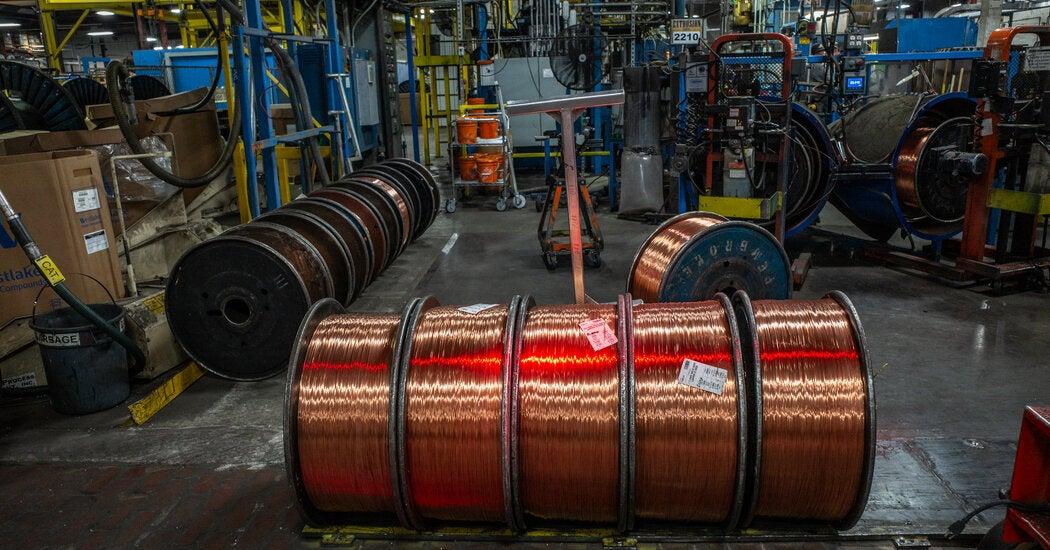
Ford shifts Lincoln output
Ford Motor plans to move production of some Lincoln models from China to the US in 2030, CEO Jim Farley told Reuters on Wednesday, saying the move was difficult but necessary to strengthen the US auto manufacturing base.
“The US tariff on the Lincoln Nautilus, the main vehicle Ford imports from China, is 52.5%.”
The shift is tied to duties on petrol-powered cars and electric vehicles imported from China, including a 52.5% US tariff on the Lincoln Nautilus, the main vehicle Ford imports from China.

In a joint interview with US Commerce Secretary Howard Lutnick, Farley said, “We made this decision as soon as the policy of the administration was set,” and added, “We knew exactly what they wanted to do, and we knew exactly what it meant for Ford.”
Lutnick said, “Ford’s got an edge. Domestic manufacturing has an edge,” as the company prepares the production change for the end of the decade.
Tariffs ripple across firms
The New York Times described how Trump’s tariffs are pushing Canadian manufacturers to consider relocating factories to the United States, with Northern Cables rushing to fill warehouses across the United States.
The paper said Northern Cables’ factory sits about 2.5 miles north of the invisible line dividing Ontario and New York State along the St. Lawrence River, and that with half of its business coming from the United States, the company is now considering a move south.

Shelley Bacon, Northern Cables’ chief executive, said, “Todd and I are going to have to to go down and go shopping,” and added, “We have too many jobs at stake here to just do nothing.”
The New York Times also said the pressure comes from fear rather than a flood of new orders, as companies face President Trump’s 50 percent tariffs scheduled to start next week.
Economic stakes and policy
A Tax Foundation analysis said the Trump tariffs amounted to an average tax increase of $1,000 per US household in 2025, and estimated that tariffs both announced and imposed would increase taxes per US household by $900 in 2026. The group estimated that tariffs will raise $1.6 trillion in revenue from 2026-2035 on a conventional basis, while also estimating that the Section 232 tariffs, Section 301 tariffs, and the Section 338 tariff on Canada will reduce long-run US GDP by 0.4 percent.
The analysis also said the Supreme Court ruled 6-3 on February 20, 2026 that IEEPA does not authorize tariffs, leaving only the new Section 232 tariffs in place. It further stated that Trump responded by imposing a 10 percent tariff on nearly all countries under Section 122, effective February 24, 2026, applying to an estimated $1.0 trillion (29 percent) of annual imports.