China26 October, 20252 min read
Georgia Arrests Three Chinese Nationals Attempting To Illegally Buy Uranium For Export
This article is an automated aggregation of coverage from news outlets. Our editorials offer in-depth analysis curated by the NewsCord team.
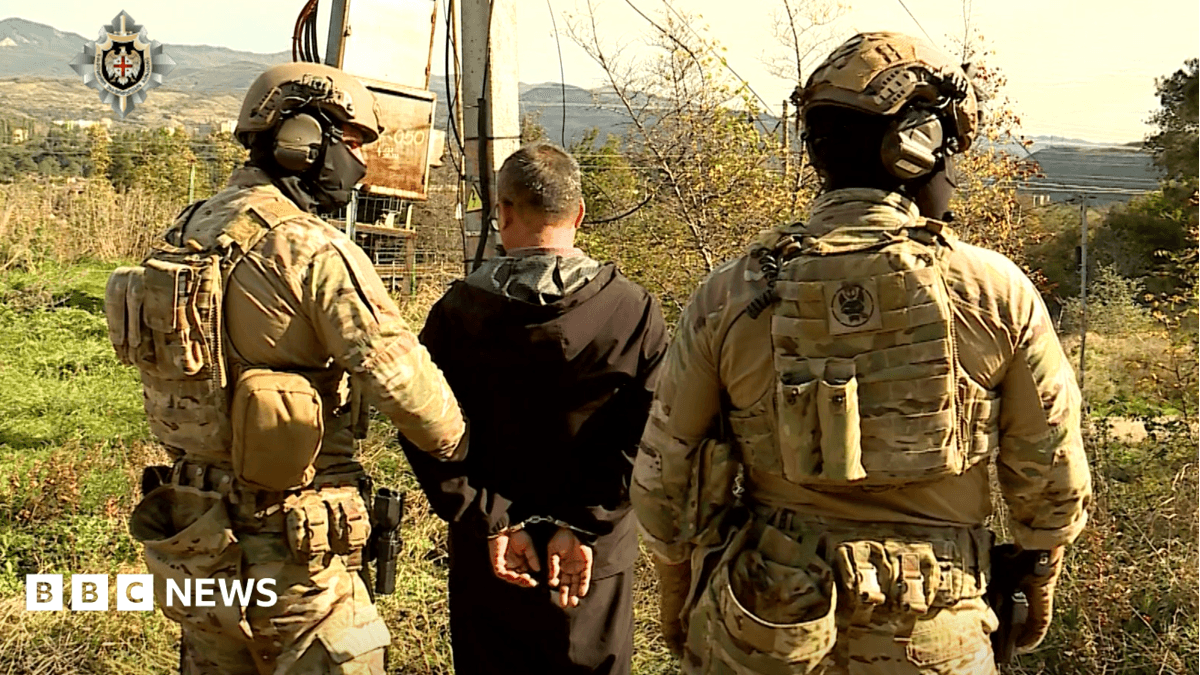
Three Chinese nationals arrested in Tbilisi attempting to illegally purchase 2 kilograms of uranium The suspects planned to pay $400,000 for the uranium and transport it to China via Russia
5 outlets told this the same way.
Illegal Uranium Purchase Arrests
Georgian authorities arrested three Chinese nationals for attempting to illegally buy two kilograms of uranium for $400,000. The suspects planned to move the material from Georgia to China via Russia. Newsweek reports the arrests happened as negotiations for the deal were underway and notes one suspect was in Georgia illegally.
“Georgian authorities have arrested three Chinese nationals suspected of attempting to illegally purchase 2 kilograms (4.4 pounds) of uranium for $400,000, with plans to transport it to China via Russia.”
Evrim Ağacı specifies the date and place as October 25, 2025, in Tbilisi and attributes the operation to the Georgian State Security Service (GSS). For legal context, both Evrim Ağacı and The Telegraph indicate that, if convicted, those involved face penalties up to ten years in prison. This case is situated within Georgia’s existing legal framework for illicit nuclear material offenses.

Nuclear Smuggling Investigation
Authorities say the suspects intended to smuggle uranium through Russia to China. Investigators linked the case to a wider cross-border network. Newsweek reports that Georgian officials said China-based members of a criminal group sent individuals to Georgia to find nuclear material.
Evrim Ağacı states that the GSS operation revealed a sophisticated, cross-border criminal network. Searches were conducted in Tbilisi and Batumi for further evidence. One suspect had overstayed his visa and brought in experts to locate uranium sources.

This operational detail complements Newsweek’s emphasis on the route and recruitment. It also aligns with The Telegraph’s broader theme of smuggling vulnerabilities across borders.
Georgia's Nuclear Security Challenges
Officials underscore the serious security risks of illicit nuclear material and place the case within Georgia’s longstanding struggle against such trafficking. Evrim Ağacı reports the GSS emphasized the prevention of uranium transfer, highlighting the serious security risks posed by such materials.
“The GSS emphasized the prevention of uranium transfer, highlighting the serious security risks posed by such materials.”
Newsweek adds that Georgia hosted several nuclear sites during the Soviet era and has previously thwarted multiple illegal nuclear and radioactive material trafficking attempts. The Telegraph deepens the historical context, noting the problem stems from the post-Soviet collapse, with poorly guarded highly enriched uranium, prior incidents in 2006 and 2023, and decades of U.S. support to harden controls.
Details of Georgian Legal Case
Legal exposure is significant and the probe continues. Evrim Ağacı states the suspects face prosecution under Georgian law, with penalties up to ten years in prison. The investigation is ongoing, with no further details on identities or additional arrests released.
Newsweek notes procedural details around the bust, mentioning that arrests were made as negotiations for the deal were underway. Newsweek also adds that one of the suspects was in Georgia illegally.

The Telegraph links this case to a pattern of prosecutions and prior foiled sales, underscoring how courts can impose up to 10 years in prison. The Telegraph recalls earlier incidents in 2023 and 2006 that shaped Georgia’s enforcement posture.