Lebanon · updated 1h ago · 2 min read
Mohammad Raad Honors Nasrallah and Hashem Safieddine Families, Rejects Any Surrendering Agreement
Raad honors martyrs' families and reaffirms Hezbollah's political-military stance. He says defense strategy requires sovereign authority and rejection of weapon monopoly.
Whether Iran increasingly drives Hezbollah decisions.
8 of 9 outlets skipped it: israeli airstrike planners aimed to block rescue for hours.
i24NEWS was read line by line by the Watchdog: 4.3. See the score →
58outlets compared
Same story, two versions
tap a side to read it in full
Asharq Al-Awsat and i24NEWS emphasise Iranian control after Nasrallah, while Al-Manar frames Hezbollah policy around unchanged resistance red lines.
Second anniversary in Beirut
Hezbollah-linked MP Mohammad Raad marked the second anniversary of the martyrdom of Sayyed Hasan Nasrallah and Sayyed Hashem Safieddine in an address centered on honoring the families of martyred fighters and reinforcing the Resistance Group’s political and military stances.
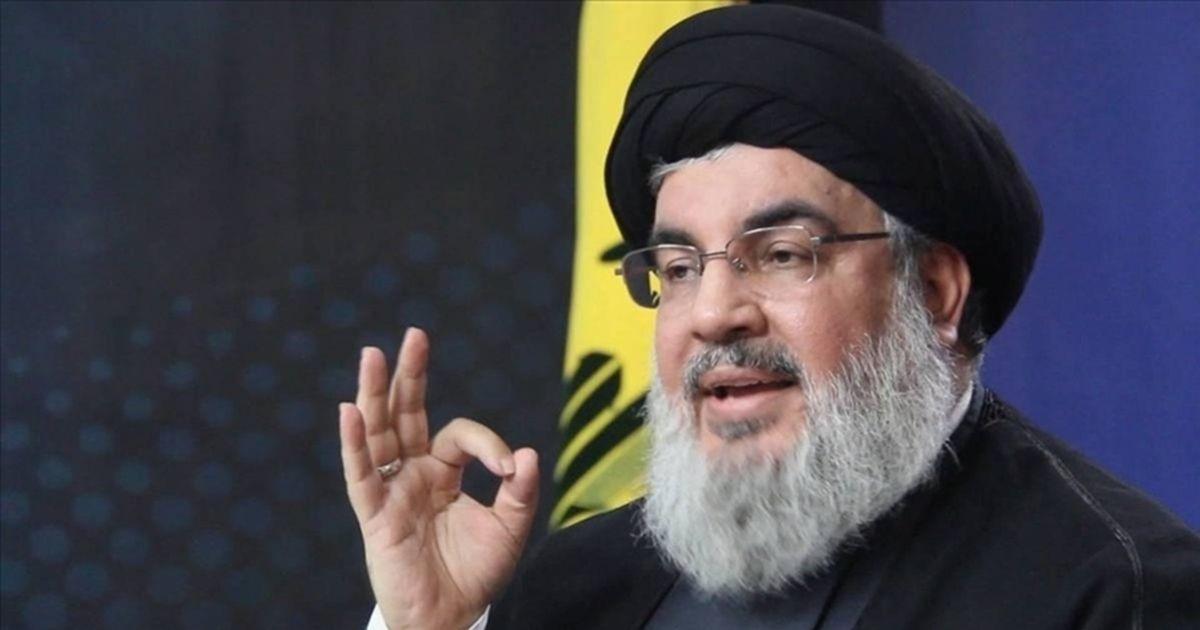
Raad, who leads Hezbollah’s parliamentary bloc, told the gathering organized for the families of martyrs and wounded combatants that Hezbollah would firmly reject any agreement that surrenders national rights, compromises territorial sovereignty, or imposes political conditions.
Raad also said that any withdrawal of foreign forces must occur unconditionally without concessions or normalization agreements, and he reaffirmed allegiance to Secretary General Sheikh Naim Qassem and Hezbollah’s leadership council.
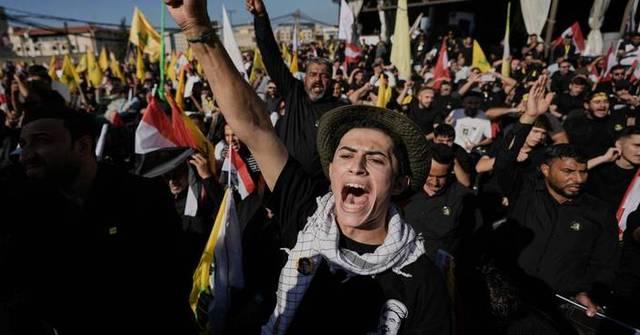
In Beirut’s southern suburbs, Hezbollah supporters gathered near Nasrallah’s tomb to mark the second anniversary of his killing by Israel, with AFP correspondents seeing thousands of people rallying for the commemorative event.
Ali Nasser, 30, from Hadatha in south Lebanon, said, "this is a historic day. Every year we commemorate it to renew our pledge" to Nasrallah.
Absences and competing narratives
L’Orient Today framed Hezbollah’s commemoration as highlighting Hezbollah’s isolation, saying the ceremony in Beirut’s southern suburbs took place in the absence of state or security agencies representatives.
L’Orient Today reported that Hezbollah even accuses President Joseph Aoun of being behind the boycott, while it said all security officials declined the invitation.
The Jerusalem Post said Lt.-Col (res.) Moran Levanoni told it that "No Lebanese high-ranking officials or political figures from Lebanon came over to participate," and Levanoni added that Hezbollah was "losing ground."
The Jerusalem Post also reported that Hezbollah leader Naim Qassem delivered a speech against Beirut, accusing the government of "contributing to the Israeli project instead of opposing it."
In the same commemoration coverage, Ibrahim Hijazi, 56, from Blida in south Lebanon, said, "this is a sacred occasion for us."
What comes next for Hezbollah
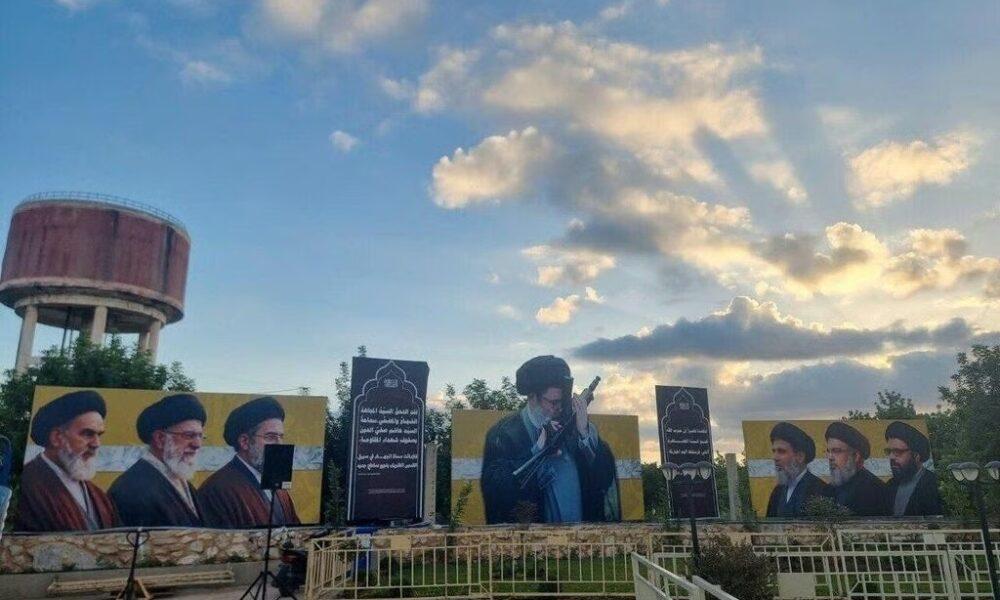
The Alma Research and Education Center said Hezbollah marked the anniversary with events over several days, including images and banners in the Dahiyeh, processions and local ceremonies, and Al-Manar releasing archival footage of Nasrallah meeting members of the public. Alma Research and Education Center reported that the events culminated in a rally near the tomb on September 27, and it said Naim Qassem delivered a speech broadcast on screens. Jawad Nasrallah, Hassan Nasrallah’s son, rejected plans for expanding his father’s tomb while residents in the south, the Dahiyeh, and the Beqaa remained unreconstructed, and Alma Research and Education Center said his remarks highlighted that commemoration did not meet the needs of displaced people.
In the same anniversary context, Hezbollah chief Naim Qassem told supporters gathered in Lebanon on Sept 27 that Israel was unable to break the resistance, saying, "were unable to achieve their goals to break the resistance, end its existence." Qassem also said, "We are ready for dialogue and discussion, but first, liberate the south, and let the people return," tying any talks to the return of people from areas affected by the fighting.