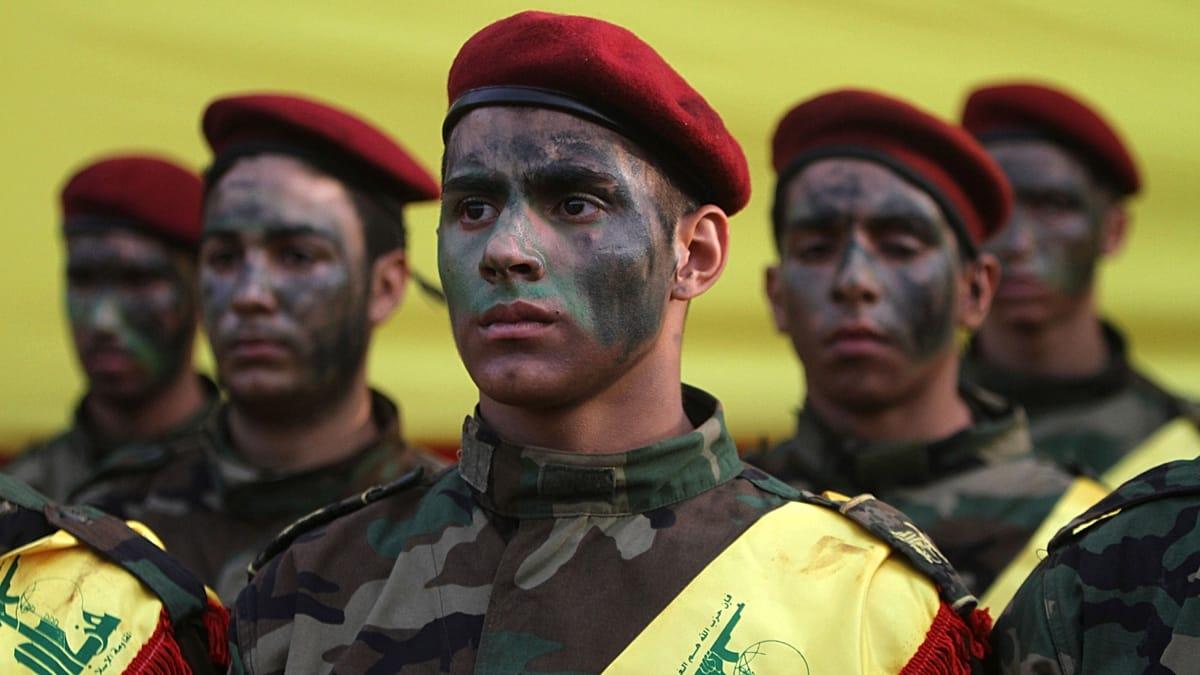
Hezbollah Rejects Lebanon-Israel Framework Agreement Signed in Washington by Rubio
Key Takeaways
- Hezbollah rejects the framework, opposing its terms and potential disarmament.
- Signed June 26, 2026 in Washington, the trilateral framework envisions phased Israeli withdrawal.
- Lebanese political actors are deeply divided over the framework's implications.
Framework signed in Washington
Representatives of Lebanon, Israel, and the United States signed a trilateral framework agreement in Washington, D.C. on Friday, June 26, 2026, outlining a phased, conditioned process to end the conflict between Lebanon and Israel and allow the Lebanese state to regain sovereignty over its territory in parallel with the gradual withdrawal of Israeli forces.
The accord came at the conclusion of the fifth round of direct negotiations between Lebanon and Israel under U.S. sponsorship, and it comprises 14 clauses aimed at a comprehensive peace and security agreement between the two countries.

U.S. Secretary of State Marco Rubio described the agreement as "the first step on a journey that will no doubt be difficult, but important and necessary," and said it lays out an orderly path for restoring Lebanon's sovereignty, disarming Hezbollah, and enabling Israel to return to its borders once the threat facing its citizens has been removed.
Lebanese President Jozef Aoun welcomed the agreement, stressing that it is the first step on the path to Lebanon restoring sovereignty over its territory in full, and Prime Minister Nawaf Salam said Lebanon's commitment to extending state authority and the exclusive monopoly on arms is not new.
Hezbollah rejected the agreement, with Secretary-General Naim Qassem saying in a statement on Saturday, June 27, that the framework agreement in Washington is humiliating, a surrender of sovereignty.
Heated domestic reactions
Lebanese President Joseph Aoun defended the state-centered approach to the U.S.-backed framework agreement with Israel, reaffirming that "Lebanon is a sovereign state and negotiates on its own behalf," while rejecting speculation over changes in the military leadership.
Aoun urged critics to submit objections through Lebanon's constitutional institutions rather than attempting to mobilise public opinion against it, and he warned that Lebanon could not afford another period of destructive domestic conflict.

Hezbollah and Parliament Speaker Nabih Berri led criticism of the understanding reached in Washington, and the dispute sharpened over whether Israeli withdrawal should be tied to Hezbollah's disarmament.
In an interview with Al Jazeera, Gebran Bassil, head of the Free Patriotic Movement, said he was in favor of negotiating with Israel as a strategic alternative to war, while rejecting any agreement that carries a surrender format rather than peace.
Bassil argued that assigning the army to disarm Hezbollah would create an internal problem, warning that the framework agreement undermines the protection system provided by the party without offering a convincing national alternative to protect Lebanon from ongoing attacks.
Withdrawal, sovereignty, and risk
Prime Minister Nawaf Salam defended the framework agreement on LBCI television, saying that if it gets implemented, it should lead to an Israeli withdrawal from Lebanon and "allow our displaced people to return to their villages and homes in a safe and dignified manner," while also saying the goal is for the southerners to return to their homes and for the bloodshed to stop.
France welcomed the framework agreement signed Friday in Washington under American mediation, saying it must pave the way for the full restoration of Lebanese sovereignty within the country’s borders, the establishment of the Lebanese state’s full monopoly on weapons, and the withdrawal of the Israeli army from Lebanese territory.
Lebanon’s political class remained divided over what the agreement means for state authority and security, with Lebanese Forces leader Samir Geagea saying the text "establishes a clear equation based on a full Israeli withdrawal and the end of a military situation imposed by Hezbollah."
On the opposing side, Hezbollah MP Hassan Fadlallah renewed criticism in a parliamentary statement, describing the text as an "agreement of capitulation" and insisting that its rejection reflects a fundamental disagreement over national sovereignty and legitimate rights.
The framework also included commitments that could shape Lebanon’s next steps, including a clause cited by Fadlallah that the Lebanese state would refrain from initiating proceedings against Israel before international bodies over war crimes.
More on Lebanon

Israel’s Givati Brigade Completes Mission In Southern Lebanon After Eight Months
15 sources compared
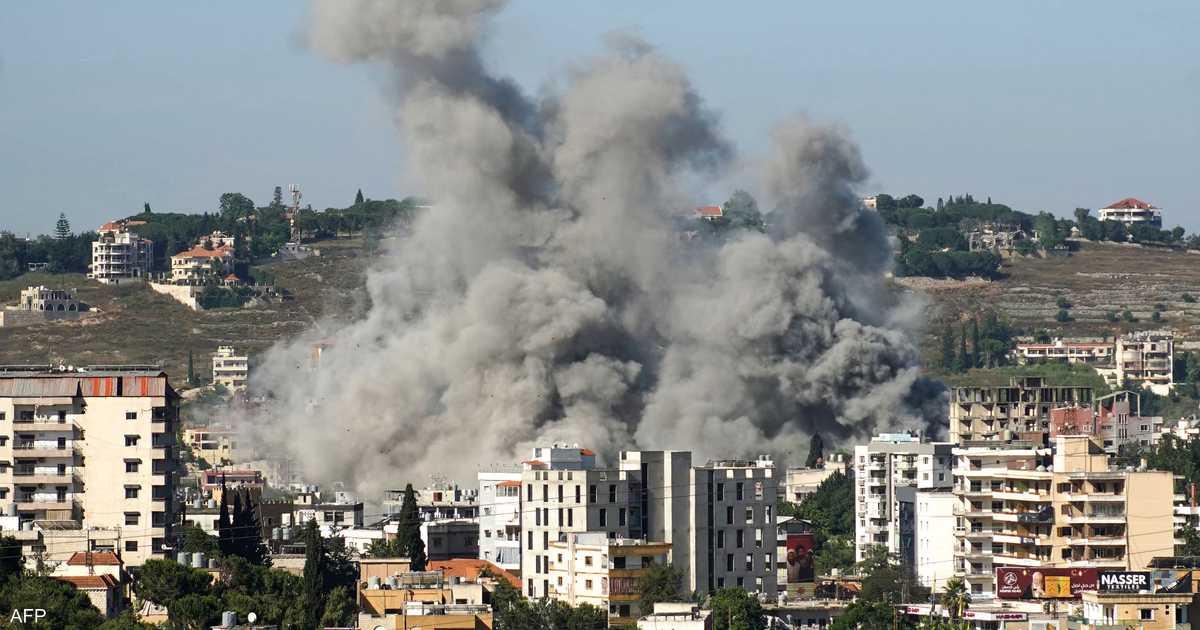
Nabih Berri Says Israel Tries to Drag Lebanese Army Into Confrontation With Resistance
14 sources compared
Israeli Drone Strikes Near Ghandour Hospital as Warplanes Hit Braashit in Bint Jbeil
28 sources compared
Israel Launches Airstrikes in Southern Lebanon Hours After Lebanon Signs Framework Agreement
11 sources compared