Gaza Genocide · 05 August, 2026 · 3 min read
Hezbollah Violated Truce as Explosive Device Killed Israeli Reservists Harel Birenstock and Tamir Vaknin in Majdal Zoun
Two Israeli reservists Harel Birenstock and Tamir Vaknin killed in Majdal Zoun blast. Explosive device detonated during Israeli operation in Lebanon, killing soldiers; Hezbollah accused of ceasefire breach.
Cause/culprit attribution for the blast.
6 of 8 outlets skipped it: explosion occurred in a structure identified as a target.
ynetglobal was read line by line by the Watchdog: 1.9. See the score →
14outlets compared
Same story, two versions
tap a side to read it in full
Latest news from Azerbaijan
“accused Hezbollah of violating the truce, responding with intensive airstrikes.”Read the original ↗
i24NEWS
“Following the explosion, the Israeli Air Force carried out strikes on targets in the area.”Read the original ↗
Azerbaijan stresses Hezbollah blame; i24 skips naming a culprit and stresses strikes
Blast Kills Reservists
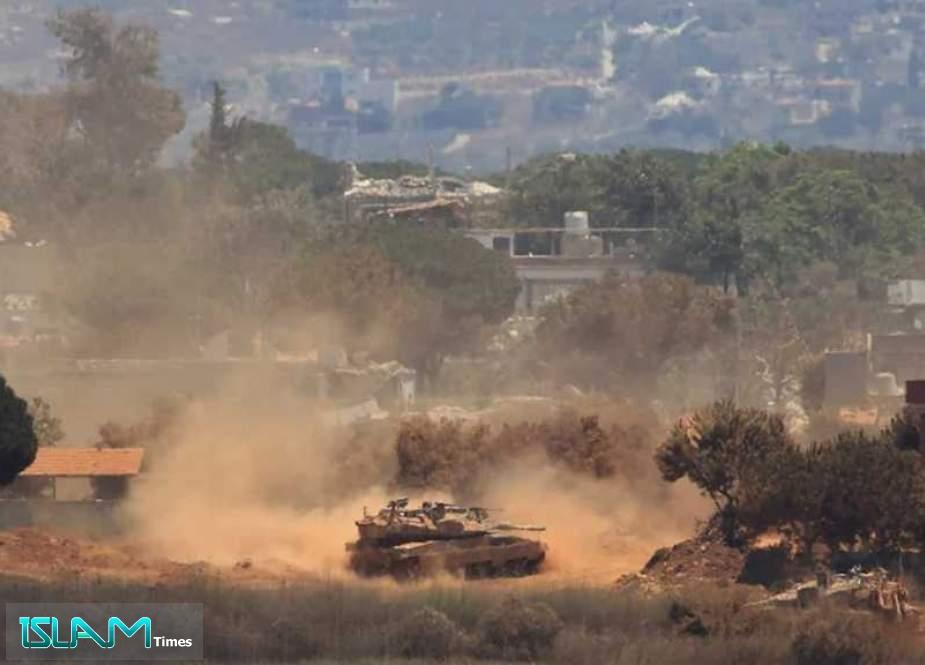
Two Israeli reservists were killed and four others were seriously wounded after an explosive device detonated during an Israeli military operation in the southern Lebanese village of Majdal Zoun on Wednesday, according to the Israeli military and Israeli media.
“Major (Res.) Harel Birenstock, 34, of Nokdim, and Chief Master Sergeant (Res.) Tamir Vaknin, 33, of Eilat, were killed”
The Israeli army said the blast occurred in Majdal Zoun and accused Hezbollah of violating the truce, responding with intensive airstrikes as operations continued into the night.

Israeli media reported the incident took place around noon while troops from the 55th Brigade were operating in the Majdal Zoun area, clearing the area and dismantling terrorist infrastructure when soldiers entered a structure identified as a target.
The IDF said an explosion occurred shortly after the troops entered the building, killing Major (Res.) Harel Birenstock and Chief Master Sergeant (Res.) Tamir Vaknin and seriously wounding four reserve soldiers, who were evacuated for medical treatment.
Lebanon’s Health Ministry said Israel’s attacks in Lebanon since March 2 have killed at least 4,333 people and injured 12,250 others, as the incident unfolded amid US-brokered talks in Rome.
Accusations and Orders
After the explosion, the Israeli military said it began carrying out what it described as “precise strikes” across southern Lebanon in response to a “blatant violation of the ceasefire” by the Hezbollah terrorist organisation.
Al Jazeera’s Zeina Khodr reported that the village where the soldiers were killed remained under Israeli military occupation and said, “There is no Hezbollah presence there, making this a notable incident,” as she described the village’s proximity to al-Mansouri.

The Israeli army’s Arabic-language spokesperson, Ella Waweya, issued renewed forced displacement orders for residents of al-Mansouri, urging them to head north before further strikes.
Al Jazeera also said that although hostilities have eased in recent weeks, “Israeli air strikes have continued intermittently, mainly targeting villages along the front line,” even as Lebanese and Israeli diplomats and military officials held negotiations aimed at implementing the ceasefire framework.
Hezbollah’s leader Naim Qassem said that the talks would bring “nothing but shame, humiliation” and successive concessions for Lebanon, while Hezbollah refused to surrender its weapons and rejected direct talks with Israel.
What’s at Risk Next
The explosion and subsequent strikes played out as Israel and Lebanon held a second day of negotiations in Rome, with the talks expected to run through Thursday and Beirut pushing for a phased Israeli withdrawal from southern Lebanon and an end to Israeli attacks.
“the deployment of the Lebanese army to the south of the country in test areas known as “pilot zones””
Al Jazeera said the talks follow a US-sponsored framework agreed in June under which Israel and Lebanon committed to the disarmament of Hezbollah, the gradual withdrawal of Israeli forces, and the deployment of the Lebanese army to the south of the country in test areas known as “pilot zones.”
In parallel, the Guardian described an Israeli airstrike in south Lebanon that killed one person and injured 11, saying the strike hit a cemetery in the town of Tebnine after the Israeli military issued a displacement order about 30 minutes before the strike.
The Guardian also reported that the Israeli military said it was destroying Hezbollah’s infrastructure in the area in response to the group’s “violation of the ceasefire,” tying the immediate battlefield actions to the ceasefire dispute.
With Lebanon’s Health Ministry reporting 4,333 killed and 12,250 injured since March 2, the sources frame the next phase of the ceasefire effort as dependent on whether negotiations can prevent renewed cycles of strikes and displacement orders in southern Lebanon.