Gaza Genocide04 August, 20263 min read
Israel Orders Evacuation, Bombs Southern Lebanon as Rome Talks Begin Under U.S. Mediation
This article is an automated aggregation of coverage from news outlets. Our editorials offer in-depth analysis curated by the NewsCord team.
Israel orders evacuation of Mansouri and conducts airstrikes in southern Lebanon. Rome hosts seventh round of direct talks under US mediation, to implement framework agreement.
The Jerusalem Post was read line by line by the Watchdog: 4.2. See the score →
Gaza war context
The sources place the current Lebanon–Israel negotiations in the wider context of the war that began after Hezbollah fired rockets at Israel in response to the killing of Supreme Leader Ayatollah Ali Khamenei at the start of the U.S.-Israeli assault on Iran, with Israel replying with a broad air campaign and a ground invasion of the south that killed more than 4,300 people, according to authorities. France 24 reports that Lebanon and Israel began a seventh round of direct negotiations in Rome under American mediation on Tuesday, with Beirut seeking successive Israeli withdrawals from southern Lebanon in preparation for a gradual deployment of the army and the return of the displaced.
The BBC says the negotiations are brokered by the United States and will last two days, with Lebanese sources telling BBC Arabic that Lebanon “has not received responses from the Israeli political level” regarding commitment to a ceasefire. France 24 adds that the talks include “technical teams from the two governments aimed at moving forward with the full implementation of the trilateral framework agreement,” including verification of Hezbollah’s disarmament and redeployment of Israeli forces from southern Lebanon.
Rome talks and hostile rhetoric
Hezbollah renewed its rejection of direct negotiations with Israel, with its secretary-general Naim Qassem describing them as bringing only shame, humiliation, disappointment, and continual concessions to Lebanon, and accusing the Lebanese political establishment of “aiding Israel instead of aiding Lebanon’s sovereignty.” In the same BBC coverage, Hezbollah Secretary-General Naim Qassem said these negotiations “will bring nothing but shame and humiliation” to Lebanon as security arrangements and border disputes remain at the forefront of the Rome agenda.
The BBC also reports that Lebanon’s presidency sources said discussions split into two meetings after Tuesday afternoon, with a political meeting addressing the border file and a military meeting discussing the verification mechanism and the third party to undertake this task. France 24 says US State Department spokesperson Tom Buscott announced the round started at the American Embassy in Rome and would run until Thursday, while Washington reiterated its commitment to “support the two governments” to restore the Lebanese state’s authority over all of southern Lebanon.

Evictions, strikes, and stakes
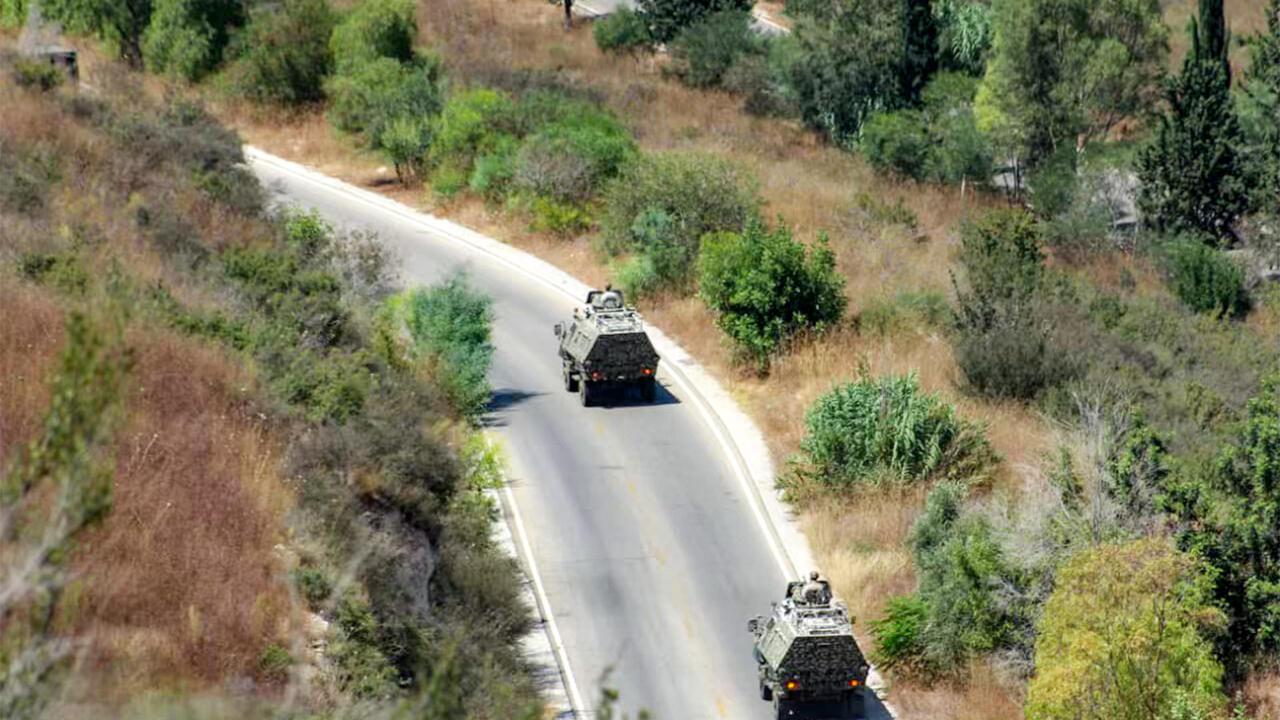
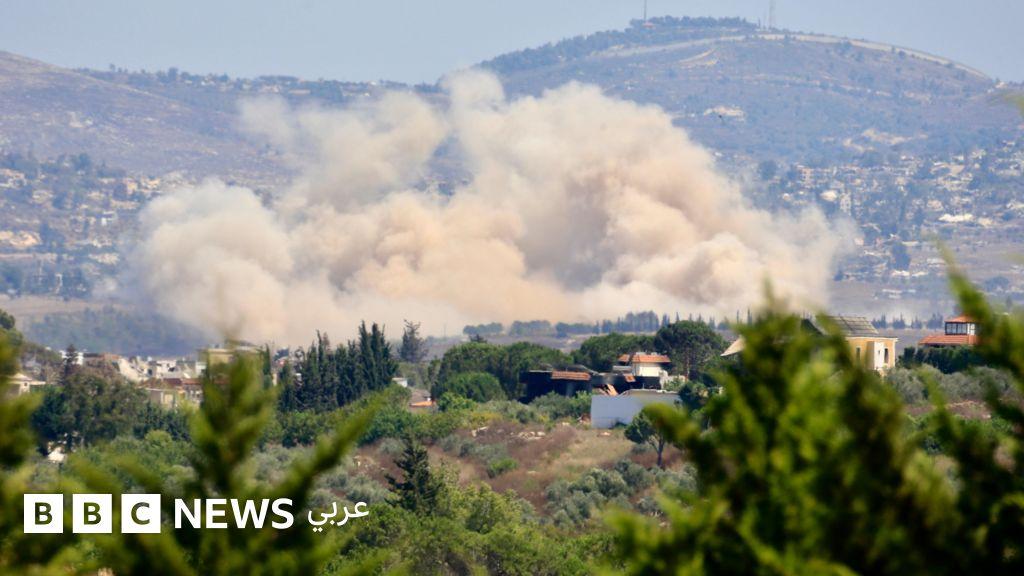
While negotiations continued, El Nuevo Diario reported that the Israeli army issued a decree for the forced displacement of residents of the Libanese town of Mansouri in southern Lebanon before launching airstrikes against the area described as “precision attacks,” and it said Israeli authorities had not reported casualties or further details about results. El País reports that Israel announced the first evacuation order in Lebanon since the June 26 framework peace agreement, with Israeli troops saying they began “selective bombings” in the country’s south in response to violations by Hezbollah, and it quoted Ella Waweya telling residents: “evacuate their homes immediately” for their safety.
El País also says the Lebanese Ministry of Health has logged more than 8,000 mortalities caused by Israeli attacks since 2023, and it describes how the framework agreement’s “pilot zones” depend on the Lebanese army taking control in exchange for a gradual Israeli withdrawal, while both parties reject the sequence of commitments. France 24 frames the immediate stakes for the diplomatic effort as the need to agree on new “experimental areas,” warning that “rushing ahead” could undermine the mechanism, with the U.S. ambassador to Beirut Michael Allen saying “We believe that taking the time needed to do this work will help enable subsequent experimental areas to launch more efficiently.”